
Medical Certificate for Diarrhea: When You Need Time Off for Gastrointestinal Issues
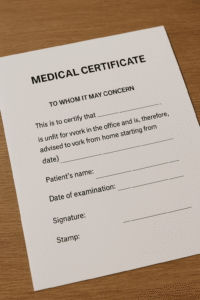
Medical Certificate
Dealing with diarrhea can be both uncomfortable and disruptive to daily life, especially when it affects your ability to work. While it might seem like a minor ailment to some, acute or persistent diarrhea can be a legitimate medical condition that requires time off from work or school. Understanding when and how to obtain a medical certificate for diarrhea is crucial for protecting both your health and your employment status.

Understanding Diarrhea as a Medical Condition
Diarrhea is characterized by loose, watery stools occurring more frequently than normal. While occasional loose stools are common, persistent diarrhea lasting more than a few days can indicate underlying health issues that require medical attention and potentially time away from work.
Types of Diarrhea That May Require Medical Certification
Acute Diarrhea: Sudden onset lasting less than two weeks, often caused by infections, food poisoning, or medication side effects. This type frequently requires immediate time off work due to its severity and potential for spreading infectious agents.
Chronic Diarrhea: Persistent symptoms lasting more than four weeks, which may indicate underlying conditions such as inflammatory bowel disease, irritable bowel syndrome, or other gastrointestinal disorders.
Infectious Diarrhea: Caused by bacteria, viruses, or parasites, this type poses public health risks and typically requires isolation until symptoms resolve and the person is no longer contagious.
When a Medical Certificate is Necessary
Employment Requirements
Most employers have policies requiring medical documentation for absences exceeding a certain number of days, typically ranging from one to three consecutive days. However, even single-day absences due to diarrhea may require certification in certain industries, particularly those involving food handling, healthcare, or childcare.
Legal Protection
A properly issued medical certificate provides legal protection against disciplinary action for absence from work. It serves as official documentation that your absence was medically necessary and not a case of unauthorized leave.
Public Health Considerations
In cases of infectious diarrhea, medical certificates often include recommendations for isolation periods to prevent spread to colleagues or customers. This is particularly important in healthcare settings, food service industries, and educational institutions.
What Should Be Included in a Medical Certificate for Diarrhea
Essential Information
A comprehensive medical certificate for diarrhea should contain specific details that validate the medical necessity of your absence while maintaining appropriate privacy.
Patient Information: Your full name, date of birth, and relevant contact information should be clearly stated on the certificate.
Medical Provider Details: The certificate must include the healthcare provider’s name, medical license number, practice address, and contact information to verify authenticity.
Diagnosis or Symptoms: While maintaining medical privacy, the certificate should indicate that you experienced gastrointestinal symptoms or acute gastroenteritis that prevented normal work activities.
Duration of Incapacity: Clear dates indicating the period during which you were medically unable to work, including both the start date and expected return date.
Work Restrictions: Any ongoing limitations or gradual return-to-work recommendations should be specified, such as avoiding food handling duties or requiring access to restroom facilities.
Specific Recommendations
Medical certificates for diarrhea often include specific workplace recommendations to ensure safe return to work and prevent symptom recurrence.
Return-to-Work Conditions: The certificate may specify that you should be symptom-free for a certain period, typically 24-48 hours, before returning to work, especially in food service or healthcare roles.
Accommodation Needs: Temporary workplace accommodations might be recommended, such as frequent breaks, proximity to restroom facilities, or modified duties that don’t involve food handling.
Follow-Up Care: Instructions for ongoing medical monitoring or follow-up appointments may be included, particularly for chronic or recurring symptoms.
How to Obtain a Medical Certificate for Diarrhea
When to See a Healthcare Provider
While mild diarrhea often resolves without medical intervention, certain symptoms warrant immediate medical attention and documentation.
Severe Symptoms: Seek medical care if you experience severe dehydration, high fever, blood in stools, severe abdominal pain, or signs of significant fluid loss.
Duration Concerns: Diarrhea persisting beyond 48-72 hours typically requires medical evaluation, especially if accompanied by other symptoms or affecting your ability to maintain hydration.
Workplace Requirements: Even if symptoms seem mild, your employer’s absence policy may require medical documentation for any gastrointestinal illness, particularly in high-risk work environments.
Healthcare Provider Options
Several types of healthcare providers can issue valid medical certificates for diarrhea-related absences.
Primary Care Physicians: Your regular doctor is often the best option for comprehensive evaluation and appropriate documentation, especially for recurring or chronic symptoms.
Urgent Care Centers: For acute symptoms requiring immediate attention, urgent care facilities can provide prompt evaluation and necessary documentation.
Emergency Departments: Reserved for severe cases involving significant dehydration, high fever, or other concerning symptoms that require immediate medical intervention.
Telemedicine Services: Many healthcare systems now offer virtual consultations for gastrointestinal symptoms, which can be convenient for obtaining medical certificates while managing symptoms at home.
Employer Considerations and Rights
Employee Rights
Understanding your rights regarding medical certificates for diarrhea helps ensure fair treatment in the workplace while maintaining necessary health protections.
Privacy Protection: Employers cannot demand detailed medical information beyond what’s necessary to verify the legitimacy of your absence. Medical certificates should provide sufficient information to justify time off without revealing specific diagnostic details.
Reasonable Accommodations: Upon return to work, employers may be required to provide reasonable accommodations for ongoing symptoms or recovery needs, particularly for chronic conditions.
Non-Discrimination: You cannot be disciplined or terminated solely for taking medically necessary time off, provided you follow proper notification procedures and provide required documentation.
Employer Responsibilities
Employers have specific obligations when handling medical certificates for gastrointestinal illnesses.
Confidentiality: All medical information must be kept confidential and stored separately from personnel files, with access limited to those with legitimate business needs.
Accommodation Consideration: Employers should engage in good-faith discussions about temporary or permanent accommodations that allow safe return to work while managing ongoing symptoms.
Policy Consistency: Absence policies should be applied consistently across all employees, without discrimination based on the type of medical condition.
Industry-Specific Considerations
Food Service Industry
Food handlers face particularly strict requirements regarding gastrointestinal illnesses due to public health risks.
Mandatory Reporting: Food service employees are typically required to report diarrhea symptoms to supervisors immediately and may be prohibited from working until symptoms resolve.
Extended Absence Requirements: Many jurisdictions require food handlers to remain symptom-free for 24-48 hours before returning to work, which must be documented in the medical certificate.
Alternative Duties: Some employers may offer temporary non-food handling roles during recovery periods, though this requires specific medical clearance.
Healthcare Settings
Healthcare workers face unique challenges and requirements when dealing with diarrhea-related absences.
Infection Control: Medical certificates must address potential infectious causes and recommend appropriate precautions to protect patients and colleagues.
Patient Safety: Healthcare employers may require additional testing or clearance before allowing return to direct patient care activities.
Occupational Health: Many healthcare facilities have occupational health departments that coordinate return-to-work processes for employees with gastrointestinal illnesses.
Educational Institutions
Teachers and school staff have specific considerations related to diarrhea and medical certificates.
Student Safety: Educational settings require careful consideration of infectious disease transmission, particularly in elementary schools where hygiene practices may be less consistent.
Substitute Coverage: Medical certificates help ensure adequate substitute teacher coverage and proper planning for extended absences.
Health Department Coordination: Some school districts coordinate with local health departments for infectious disease management and return-to-work protocols.
Common Challenges and Solutions
Documentation Timing
One of the most common challenges is obtaining medical certificates when symptoms are acute and prevent normal activities.
Advance Planning: Establishing relationships with healthcare providers who offer same-day appointments or telemedicine consultations can facilitate timely documentation.
Emergency Contacts: Maintaining contact information for urgent care centers and after-hours medical services ensures access to care when regular providers are unavailable.
Employer Communication: Prompt notification of illness, even before obtaining medical documentation, demonstrates good faith efforts to comply with workplace policies.
Cost Considerations
Medical appointments solely for certificate purposes can create financial burdens, particularly for minor illnesses.
Insurance Coverage: Understanding your health insurance benefits for urgent care and preventive visits can help manage costs associated with obtaining medical certificates.
Employee Assistance Programs: Some employers offer assistance programs that help cover costs associated with obtaining required medical documentation.
Alternative Documentation: In some cases, employers may accept alternative forms of medical verification, such as pharmacy receipts for prescribed medications or nurse hotline consultations.
Prevention and Workplace Health
Proactive Measures
Taking steps to prevent diarrhea and related workplace absences benefits both employees and employers.
Hygiene Practices: Maintaining proper hand hygiene, especially in food service and healthcare settings, significantly reduces the risk of infectious diarrhea.
Food Safety: Following safe food handling practices, both at work and at home, prevents foodborne illnesses that commonly cause diarrhea.
Stress Management: Since stress can trigger or worsen gastrointestinal symptoms, implementing stress reduction strategies may help prevent some cases of diarrhea.
Workplace Wellness Programs
Comprehensive workplace wellness initiatives can reduce the frequency of diarrhea-related absences.
Health Education: Providing information about gastrointestinal health, proper nutrition, and symptom recognition helps employees make informed decisions about seeking medical care.
Preventive Care: Encouraging regular healthcare visits and preventive screenings can identify underlying conditions that contribute to chronic diarrhea.
Environmental Factors: Ensuring clean workplace facilities, safe food storage, and proper sanitation reduces the risk of workplace-acquired gastrointestinal illnesses.
Conclusion
Medical certificates for diarrhea serve important functions in protecting employee health, maintaining workplace safety, and ensuring proper documentation of medically necessary absences. Understanding when and how to obtain appropriate medical documentation helps employees navigate workplace policies while prioritizing their health and the safety of colleagues.
Whether dealing with acute infectious diarrhea or chronic gastrointestinal conditions, proper medical certification provides legal protection and facilitates appropriate workplace accommodations. By working collaboratively with healthcare providers and employers, individuals can ensure they receive necessary medical care while maintaining professional responsibilities and workplace safety standards.
The key to successfully managing diarrhea-related work absences lies in prompt medical attention when appropriate, clear communication with employers, and obtaining comprehensive medical documentation that balances privacy rights with workplace requirements. Through proper preparation and understanding of relevant policies, employees can protect both their health and their professional standing while contributing to overall workplace wellness and public health safety.