Types of Medical Certificates: A Comprehensive Guide
Medical Certificates
Medical Certificates
Medical certificates are essential documents that serve as official proof of a person’s health status, issued by licensed healthcare professionals. These documents play a crucial role in various aspects of daily life, from workplace absences to legal proceedings. Understanding the different types of medical certificates and their specific purposes can help individuals navigate situations where health documentation is required.

What Is a Medical Certificate?
A medical certificate is a written statement from a doctor or other qualified medical practitioner that confirms a patient’s medical condition, fitness level, or health status. These documents are legally recognized and carry significant weight in professional, legal, and personal contexts. They must be issued by licensed healthcare providers who have examined the patient and can attest to their medical condition.
Common Types of Medical Certificates
1. Fitness to Work Certificate
This is perhaps the most frequently issued medical certificate. A fitness to work certificate confirms that an individual is medically fit to perform their job duties. Employers often require this document when an employee returns after a prolonged illness, injury, or medical leave. It may specify any limitations or accommodations the employee might need, such as reduced hours, modified duties, or restrictions on heavy lifting.
The certificate provides assurance to employers that the employee’s return to work won’t pose health risks to themselves or others. In some industries, particularly those involving heavy machinery, public safety, or physical labor, these certificates are mandatory before resuming work.
2. Medical Leave Certificate (Sick Leave Certificate)
When employees need time off due to illness or injury, a medical leave certificate provides official documentation for their absence. This certificate typically includes the diagnosis (if appropriate), the date of examination, and the recommended period of rest or leave. Employers use these certificates to process sick leave requests and maintain accurate attendance records.
Most workplaces have policies requiring medical certificates for absences exceeding a certain number of days, usually two to three consecutive days. Some employers may request a certificate for even a single day’s absence, depending on company policy.
3. Fitness Certificate for Travel
International travel, particularly to certain countries or for specific purposes, may require a fitness to travel certificate. This document confirms that the individual is medically fit to undertake a journey and doesn’t pose a health risk to others during travel. Airlines may also require these certificates for passengers with recent surgeries, serious medical conditions, or those requiring special assistance.
Travel fitness certificates are particularly important for pregnant travelers, individuals with cardiovascular conditions, or those who have recently undergone major surgery. The certificate ensures that travel won’t endanger the person’s health and that they can manage the journey safely.
4. Pre-Employment Medical Certificate
Many employers require job applicants to undergo medical examinations before finalizing employment offers. The pre-employment medical certificate verifies that the candidate is physically and mentally fit to perform the job’s requirements. This type of certificate protects both the employer and the employee by ensuring proper job-person fit from a health perspective.
The examination typically includes checks of vital signs, vision and hearing tests, drug screening, and assessments relevant to the specific job requirements. For certain professions like pilots, drivers, or healthcare workers, more comprehensive examinations are mandatory.
5. Medical Certificate for Sports and Physical Activities
Schools, sports clubs, and fitness organizations often require participants to obtain medical clearance before engaging in strenuous physical activities. This certificate confirms that an individual is fit to participate in specific sports or exercise programs without health risks. It’s particularly important for competitive sports, school athletics, and activities that demand high physical performance.
The examination for sports fitness typically includes cardiovascular assessment, musculoskeletal evaluation, and checks for conditions that might be aggravated by physical exertion. For professional athletes, these examinations are far more comprehensive and may include specialized tests.
6. Disability Certificate
A disability certificate is an official document that confirms a person’s disability status, its nature, and severity. Government agencies, insurance companies, and employers use these certificates to determine eligibility for disability benefits, accommodations, or special services. The certificate typically includes information about the disability’s impact on daily activities and work capacity.
These certificates are crucial for accessing disability parking permits, financial assistance programs, educational accommodations, and workplace modifications. They’re usually issued after thorough medical evaluation and may require periodic renewal.
7. Medical Certificate for Insurance Claims
Insurance companies require medical certificates to process health, life, or disability insurance claims. These certificates provide detailed information about the medical condition, treatment received, prognosis, and any ongoing care requirements. They serve as evidence supporting the insurance claim and help insurers assess the validity and extent of coverage.
For life insurance applications, medical certificates may document pre-existing conditions, current health status, and family medical history. For claim processing, they verify that the medical event occurred and justify the expenses incurred.
8. Mental Fitness Certificate
Mental fitness certificates assess an individual’s psychological and psychiatric health status. These are required in various contexts, including employment in high-stress positions, legal proceedings, custody battles, or when determining capacity to make important decisions. The certificate is issued by psychiatrists or licensed psychologists after comprehensive mental health evaluation.
This type of certificate is particularly important for professions requiring high levels of mental alertness and decision-making capability, such as pilots, surgeons, or military personnel. It may also be required for firearm licenses or adoptions.
9. Maternity/Pregnancy Certificate
Pregnant employees need maternity certificates to document their pregnancy, expected delivery date, and recommendations for maternity leave. These certificates help employers plan for temporary replacements and ensure the employee receives appropriate maternity benefits. They may also specify any workplace restrictions needed during pregnancy, such as avoiding heavy lifting or hazardous substances.
The certificate typically includes information about the pregnancy’s progression, any complications, and the recommended duration of pre-natal and post-natal leave. Many jurisdictions have legal requirements regarding maternity leave that these certificates help facilitate.
10. Post-Operative/Post-Hospitalization Certificate
After surgery or hospital admission, patients may need certificates documenting their medical procedure, recovery status, and fitness to resume normal activities. These certificates are important for work, school, or insurance purposes. They typically outline the nature of the treatment, current recovery status, and any restrictions or limitations during the recuperation period.
Employers and educational institutions use these certificates to understand when individuals can safely return and what accommodations might be necessary during recovery.
11. Vaccination Certificate
Vaccination certificates provide proof that an individual has received specific immunizations. These became particularly prominent during the COVID-19 pandemic but have long been required for international travel, school enrollment, and certain employment positions. The certificate documents the vaccine type, dates of administration, and batch numbers.
Many countries require proof of specific vaccinations for entry, such as yellow fever vaccines for travel to certain African and South American countries. Healthcare workers and teachers often need vaccination certificates as part of their employment requirements.
12. Medical Certificate for Legal Purposes
Courts and legal proceedings sometimes require medical certificates as evidence. These might document injuries from accidents, mental capacity for legal decisions, cause of death (in certain civil cases), or health status relevant to legal disputes. Such certificates must be detailed, objective, and sometimes require the doctor to testify or provide depositions.
Personal injury cases, worker’s compensation claims, and family law matters frequently rely on medical certificates as crucial evidence. These certificates must meet specific legal standards and may be scrutinized by opposing counsel.
13. Death Certificate
While technically different from other medical certificates, death certificates are vital legal documents that must be issued by authorized medical practitioners. They record the cause and time of death, deceased’s personal information, and circumstances surrounding the death. These certificates are essential for settling estates, claiming life insurance, and legal closure.
Death certificates serve multiple purposes including initiating probate proceedings, transferring property rights, and collecting survivor benefits. They’re also important for public health statistics and epidemiological research.
Key Components of a Medical Certificate
Regardless of type, most medical certificates contain several standard elements:
- Patient information: Full name, date of birth, and identification details
- Doctor’s information: Name, qualification, registration number, and contact details
- Date of examination: When the medical assessment took place
- Medical findings: Relevant observations, diagnoses, or test results
- Recommendations: Suggested course of action, work restrictions, or leave duration
- Validity period: How long the certificate remains valid
- Doctor’s signature and stamp: Official authentication of the document
When Do You Need a Medical Certificate?
Common situations requiring medical certificates include:
- Taking sick leave from work or school
- Returning to work after illness or injury
- Applying for insurance or making claims
- Participating in sports or physical activities
- Traveling internationally
- Legal proceedings or court cases
- Applying for disability benefits
- Obtaining licenses or permits
- Pre-employment screenings
- Educational accommodations
How to Obtain a Medical Certificate
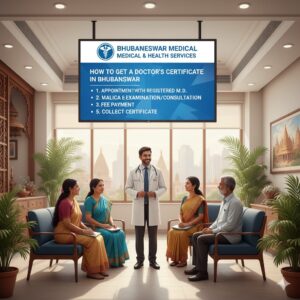
To obtain a medical certificate, you typically need to:
- Schedule an appointment with a licensed healthcare provider
- Undergo examination relevant to the certificate type required
- Discuss your needs clearly with the doctor, explaining why you need the certificate
- Provide necessary information such as employment details or specific requirements
- Pay applicable fees as medical certificates often involve consultation charges
- Collect the certificate either immediately or within a specified timeframe
Some medical certificates can be issued during regular consultations, while others may require specific tests or evaluations.
Important Considerations
Validity and Authenticity
Medical certificates are legal documents, and providing false certificates or misrepresenting health conditions can have serious consequences, including criminal charges. Employers and institutions have the right to verify certificates’ authenticity by contacting the issuing doctor or medical facility.
Privacy and Confidentiality
While medical certificates confirm health status, doctors must balance disclosure requirements with patient privacy. Certificates should contain only information necessary for the specific purpose, not complete medical histories. Patients have rights regarding what information is shared.
Cost Considerations
Medical certificates aren’t always covered by health insurance, especially when required for administrative purposes rather than medical treatment. Fees vary depending on the certificate type, complexity of examination required, and healthcare provider rates.
Timelines
Some certificates can be issued immediately during consultation, while others requiring laboratory tests or specialist evaluations may take several days. Plan ahead when you know you’ll need a medical certificate to avoid delays.
Conclusion
Medical certificates serve as vital bridges between healthcare and various aspects of daily life, from employment to legal matters. Understanding the different types of medical certificates and their purposes helps individuals navigate situations where health documentation is required. Whether you need proof of fitness to work, documentation for travel, or evidence for legal proceedings, medical certificates provide official, legally recognized confirmation of your health status.
Always obtain medical certificates from licensed, qualified healthcare professionals and ensure they contain all necessary information for your specific purpose. Keep copies of important medical certificates for your records, and don’t hesitate to ask your doctor questions about the certificate’s contents or implications. In our increasingly documentation-oriented world, medical certificates remain essential tools for protecting both individual rights and institutional interests while maintaining health and safety standards across various sectors of society.