
Medical Certificate for a Job: Your Complete Guide to Pre-Employment Medical Examinations
Medical Certificate
Starting a new job is an exciting milestone in anyone’s career journey. However, many prospective employees are surprised when their future employer requests a medical certificate as part of the hiring process. If you’ve received such a request, you might be wondering what it entails, why it’s necessary, and how to navigate this requirement smoothly. This comprehensive guide will walk you through everything you need to know about medical certificates for employment.
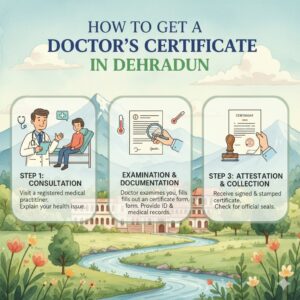
What Is a Medical Certificate for Employment?
A medical certificate for employment, also known as a pre-employment medical examination certificate or fitness-to-work certificate, is an official document issued by a qualified healthcare professional. This certificate verifies that a job candidate is physically and mentally capable of performing the duties associated with their prospective position.
The certificate typically includes information about your general health status, any medical conditions that might affect job performance, and a professional opinion on whether you’re fit to undertake the specific role you’ve been offered. It serves as objective evidence that you can safely and effectively fulfill the job requirements without posing risks to yourself or others in the workplace.
Why Do Employers Request Medical Certificates?
Employers request medical certificates for several legitimate and important reasons that benefit both the organization and the employee:
Workplace Safety
The primary reason employers require medical certificates is to ensure workplace safety. Certain jobs involve physical demands, operation of heavy machinery, work at heights, or exposure to hazardous materials. Employers need to verify that new hires can perform these tasks safely without putting themselves or their colleagues at risk. For example, a construction company needs to ensure that workers don’t have conditions that could cause sudden loss of consciousness while operating equipment.
Legal Compliance
Many industries are governed by regulations that mandate pre-employment medical screenings. Transportation companies must ensure drivers meet specific health standards set by regulatory bodies. Healthcare facilities need to verify that employees are free from communicable diseases that could endanger vulnerable patients. Failing to conduct these assessments could result in legal penalties and liability issues for the employer.
Reasonable Accommodations
Medical certificates help employers identify whether reasonable accommodations might be necessary for an employee to perform their job effectively. This information allows companies to prepare appropriate support systems and modifications in advance, ensuring a smooth transition for the new hire and compliance with disability rights legislation.
Insurance Requirements
Workplace insurance policies often require pre-employment medical examinations, especially for positions involving physical labor or significant health risks. These assessments help insurance providers accurately assess risk and determine appropriate coverage levels and premiums.
Baseline Health Documentation
Having a medical certificate on file establishes a baseline of an employee’s health status at the time of hiring. This documentation becomes valuable if work-related injuries or illnesses occur later, helping to distinguish between pre-existing conditions and workplace-related health issues.
What Does a Pre-Employment Medical Examination Include?
The scope of a pre-employment medical examination varies depending on the nature of the job, industry requirements, and company policies. However, most examinations include several standard components:
Medical History Review
The healthcare provider will ask detailed questions about your medical history, including past illnesses, surgeries, chronic conditions, current medications, and family health history. Be honest and thorough in providing this information, as it helps the doctor make an accurate assessment of your fitness for the role.
Physical Examination
A general physical examination typically includes checking your vital signs such as blood pressure, heart rate, temperature, and respiratory rate. The doctor may also examine your cardiovascular system, respiratory system, musculoskeletal system, and neurological function, depending on the job requirements.
Vision and Hearing Tests
Many positions require specific visual acuity and hearing capabilities. Vision tests may include checking for color blindness, depth perception, and peripheral vision, particularly for driving or operating machinery roles. Hearing tests ensure you can communicate effectively and respond to auditory warnings in the workplace.
Laboratory Tests
Blood and urine tests are commonly required to check for various health markers. These may include complete blood count, blood sugar levels, kidney and liver function, and screening for infectious diseases. Some industries may also require drug and alcohol screening as part of the medical assessment.
Specialized Assessments
Depending on the specific job requirements, additional tests might be necessary. These could include pulmonary function tests for roles involving exposure to dust or chemicals, cardiovascular stress tests for physically demanding positions, or psychological evaluations for high-stress roles.
How to Prepare for Your Pre-Employment Medical Examination
Proper preparation can help ensure your medical examination goes smoothly and produces accurate results:
Gather Necessary Documentation
Bring valid identification, your job offer letter or employment details, a list of current medications with dosages, and any relevant medical records, especially if you have chronic conditions or previous workplace injuries. If you wear glasses or contact lenses, bring them to the examination.
Follow Pre-Examination Instructions
Your employer or the medical facility will provide specific instructions before your appointment. These might include fasting for a certain number of hours before blood tests, avoiding alcohol or caffeine, or wearing comfortable clothing that allows easy examination. Follow these instructions carefully to avoid having to reschedule your appointment.
Get Adequate Rest
Ensure you get a good night’s sleep before your examination. Fatigue can affect certain test results, particularly blood pressure and cognitive function assessments. Arrive well-rested and hydrated for the most accurate results.
Be Honest and Transparent
Answer all questions truthfully and completely. Withholding information about medical conditions or providing false information can lead to serious consequences, including job offer withdrawal or termination if discovered later. Remember that many conditions can be accommodated with proper planning and support.
Understanding Your Rights and Privacy
While employers can request medical certificates, there are important legal protections in place to safeguard your rights and privacy:
Discrimination Protection
In most jurisdictions, employment laws prohibit discrimination based on disability or medical conditions. Employers cannot refuse to hire you solely because of a health condition unless it directly prevents you from performing essential job functions, even with reasonable accommodations. Medical conditions that don’t affect job performance should not impact hiring decisions.
Medical Privacy
Your medical information is confidential and protected by privacy laws in most countries. Employers typically receive only a general fitness-to-work statement from the examining physician, not detailed medical records. The certificate usually indicates whether you’re fit, fit with restrictions, or unfit for the specific role, without disclosing specific diagnoses or detailed health information.
Voluntary Disclosure
You’re generally not obligated to disclose medical conditions that don’t affect your ability to perform job duties. However, if you need workplace accommodations, disclosing relevant information can help your employer provide appropriate support.
What If You Don’t Pass the Medical Examination?
Receiving a medical certificate indicating you’re unfit or fit with restrictions can be disappointing, but it doesn’t necessarily mean the end of your job opportunity:
Request Detailed Feedback
Ask the examining physician for specific information about the concerns raised. Understanding the exact issues allows you to address them effectively or explore potential solutions.
Explore Accommodations
If the medical concerns relate to aspects of the job that could be modified, discuss reasonable accommodations with your prospective employer. Many companies are willing to make adjustments that allow qualified candidates to work safely and effectively.
Seek a Second Opinion
If you disagree with the medical assessment, you generally have the right to obtain a second opinion from another qualified healthcare provider. Ensure any second examination is conducted by a licensed professional and documented appropriately.
Consider Treatment or Management
If the health issue can be treated or better managed, work with your healthcare provider to address the concerns. Once the condition is controlled or resolved, you may be able to undergo a re-examination and obtain clearance.
Tips for a Successful Medical Certificate Process
To navigate the medical certificate requirement smoothly, keep these helpful tips in mind:
Schedule your appointment promptly after receiving the request. Delays can hold up your start date or, in some cases, result in the job offer expiring. Allow enough time for results to be processed and submitted to your employer before your intended start date.
Choose a reputable healthcare provider or use the facility recommended by your employer. Some companies have specific clinics or occupational health services they work with regularly. Using their preferred provider can streamline the process and ensure the certificate meets their requirements.
Maintain a positive attitude throughout the process. Pre-employment medical examinations are standard practice in many industries and reflect the employer’s commitment to workplace safety, not a lack of trust in you as a candidate.
Keep copies of all documentation for your personal records. Having your own copies of medical certificates can be useful for future reference or if you need to provide similar documentation for other purposes.
Conclusion
Medical certificates for employment serve important purposes in protecting both employees and employers. While the requirement might seem daunting initially, understanding the process, preparing adequately, and approaching it with transparency will help you navigate it successfully. These examinations ultimately contribute to safer workplaces, appropriate support for employees who need it, and better outcomes for everyone involved in the employment relationship.
Remember that a medical certificate requirement is not a barrier but rather a step toward ensuring you can perform your new role safely and effectively. By taking the process seriously and cooperating fully, you’re demonstrating professionalism and commitment to your new position. With proper preparation and understanding of your rights, obtaining a medical certificate for employment can be a straightforward part of your job transition, setting the foundation for a successful and healthy career ahead.