Medical Certificates for Air Pollution and Respiratory Issues: A Comprehensive Guide
Medical Certificates
Medical Certificates
Air pollution has become one of the most pressing public health challenges of the 21st century, affecting billions of people worldwide. As urbanization accelerates and industrial activities expand, the quality of the air we breathe continues to deteriorate in many regions. For individuals experiencing respiratory issues linked to poor air quality, obtaining a medical certificate has become increasingly important—not just for workplace accommodations, but also for legal protections, insurance claims, and access to appropriate healthcare interventions.

Understanding the Link Between Air Pollution and Respiratory Health
The relationship between air pollution and respiratory diseases is well-established in medical literature. Particulate matter, nitrogen dioxide, sulfur dioxide, ozone, and other airborne pollutants can penetrate deep into the lungs, triggering inflammatory responses and exacerbating existing conditions. People with asthma, chronic obstructive pulmonary disease (COPD), bronchitis, and other respiratory ailments are particularly vulnerable to these environmental factors.
Recent studies have shown that even short-term exposure to elevated pollution levels can trigger acute respiratory symptoms, while long-term exposure is associated with the development of chronic respiratory diseases, cardiovascular problems, and even certain cancers. Children, the elderly, and individuals with pre-existing health conditions face the highest risks.
When air quality deteriorates significantly—whether due to wildfires, industrial emissions, vehicular traffic, or seasonal factors—many people find themselves unable to work, attend school, or perform daily activities without experiencing severe symptoms. In these situations, a medical certificate becomes a crucial document that validates their health concerns and provides legal protection.
What Is a Medical Certificate for Air Pollution-Related Conditions?
A medical certificate for air pollution and respiratory issues is an official document issued by a licensed healthcare provider that confirms a patient’s medical condition and its relationship to environmental air quality. This document serves multiple purposes and typically includes:
Patient identification information including name, date of birth, and contact details.
A detailed diagnosis of the respiratory condition, which might include asthma, allergic rhinitis, bronchitis, COPD, or other related ailments.
Clinical findings based on physical examination, medical history, and diagnostic tests such as spirometry, chest X-rays, or blood oxygen level measurements.
A statement establishing the connection between the patient’s symptoms and air pollution exposure, supported by medical evidence and the timing of symptom onset or exacerbation.
Specific recommendations for workplace accommodations, activity restrictions, or environmental modifications needed to protect the patient’s health.
The duration of validity for the certificate and any follow-up requirements.
The physician’s credentials including their medical license number, signature, official stamp, and contact information.
These certificates differ from standard sick notes in that they specifically address environmental factors and often require more comprehensive documentation to establish the causal relationship between air quality and health symptoms.
When Do You Need a Medical Certificate?
There are numerous situations where a medical certificate for air pollution-related respiratory issues becomes necessary:
Workplace Accommodations
Many employees require modifications to their work environment or schedule when air quality deteriorates. A medical certificate can support requests for remote work arrangements, reassignment to indoor positions, provision of air filtration systems, or exemptions from outdoor duties during high pollution days. Employers are generally required to provide reasonable accommodations for documented medical conditions, and a certificate serves as the foundation for these requests.
School and Educational Settings
Students with respiratory sensitivities may need excused absences during poor air quality days or accommodations for physical education classes. Parents and guardians often need medical documentation to ensure schools provide appropriate support, such as access to air-conditioned spaces, exemptions from outdoor activities, or permission to keep emergency medications on hand.
Legal and Insurance Claims
Individuals seeking compensation for health damages caused by pollution exposure, whether from industrial accidents, environmental disasters, or ongoing pollution from nearby facilities, need comprehensive medical documentation. Insurance claims for medical expenses related to air pollution exposure also typically require certification from healthcare providers.
Relocation Justifications
In some cases, individuals need to relocate to areas with better air quality for health reasons. Medical certificates can support housing transfer requests, visa applications based on medical grounds, or justifications for breaking lease agreements without penalty.
Public Health Advisories
During severe air pollution events such as wildfires or industrial accidents, public health officials may issue advisories recommending that vulnerable populations stay indoors. Medical certificates help identify individuals who should be prioritized for evacuation, provided with air purifiers, or given special consideration during emergencies.
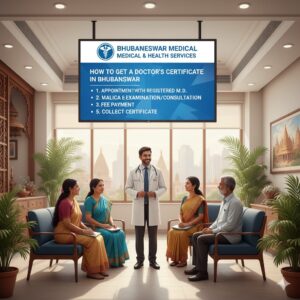
How to Obtain a Medical Certificate
The process of obtaining a medical certificate for air pollution-related respiratory issues involves several steps:
Initial Medical Evaluation
Schedule an appointment with your primary care physician, pulmonologist, or allergist. Come prepared with a detailed history of your symptoms, including when they occur, their severity, and any patterns you’ve noticed related to air quality conditions. Keep a symptom diary for at least several weeks before your appointment, noting daily air quality index readings alongside your respiratory symptoms.
Diagnostic Testing
Your healthcare provider will likely conduct various tests to assess your respiratory function and establish a clear diagnosis. Common tests include spirometry to measure lung capacity and airflow, peak flow monitoring to assess how well air moves out of your lungs, chest X-rays or CT scans to visualize lung structure, allergy testing to identify specific triggers, and blood oxygen saturation measurements.
Establishing Causation
This is often the most challenging aspect of obtaining a medical certificate for air pollution-related issues. Your physician will need to establish a plausible link between your symptoms and air quality. This might involve reviewing air quality data from your area during symptom onset, documenting the timing of symptom exacerbations relative to pollution events, comparing your symptom patterns with known effects of specific pollutants, and ruling out other potential causes of your respiratory symptoms.
Documentation and Certification
Once your physician has completed the evaluation and established the diagnosis, they will prepare the medical certificate. Be clear about why you need the certificate and what specific information it should include. Different purposes may require different levels of detail or specific language. For workplace accommodations, you might need specific recommendations about environmental controls or activity restrictions. For legal claims, more comprehensive documentation of causation may be necessary.
Follow-Up and Renewal
Medical certificates for environmental conditions often require periodic renewal, especially if your situation is ongoing rather than acute. Maintain regular follow-up appointments with your healthcare provider to document the progression of your condition and the effectiveness of any interventions. Keep records of air quality data, symptom diaries, and any changes in your condition that might support future certificate renewals.
Key Components of an Effective Medical Certificate
For a medical certificate to serve its intended purpose effectively, it should include several critical elements:
Precise Medical Diagnosis
The certificate should state your specific condition using proper medical terminology. Rather than vague statements like “respiratory problems,” it should specify “moderate persistent asthma” or “chronic bronchitis with acute exacerbations.” This precision lends credibility to the document and helps others understand the severity of your condition.
Objective Clinical Findings
Include measurable data from diagnostic tests. Spirometry results showing reduced lung function, documented oxygen saturation levels during symptom episodes, or peak flow measurements demonstrating airway reactivity all strengthen the medical basis of the certificate.
Environmental Correlation
The most crucial element for air pollution-related certificates is documentation of the relationship between environmental conditions and your symptoms. This might reference specific pollution events, seasonal patterns, or geographic correlations. Statements like “patient’s asthma symptoms worsen significantly when PM2.5 levels exceed 50 μg/m³” provide concrete, actionable information.
Functional Limitations
Clearly describe how the condition affects your ability to perform daily activities or work duties. Rather than simply stating you have a respiratory condition, specify that “patient experiences dyspnea and wheezing with moderate exertion when air quality index exceeds 100, limiting ability to perform outdoor work tasks.
Specific Recommendations
Provide concrete suggestions for accommodations or interventions. These might include working from home during poor air quality days, installation of HEPA filtration systems in work areas, relocation to buildings with controlled air quality, or modified duty assignments avoiding exposure to outdoor pollutants.
Professional Credentials
The certificate gains authority from the qualifications of the issuing physician. It should clearly display the doctor’s full name, medical license number, specialty credentials, institutional affiliation, and contact information. A board-certified pulmonologist or allergist typically carries more weight for respiratory conditions than a general practitioner, though both can issue valid certificates.
Challenges and Considerations
Obtaining and using medical certificates for air pollution-related conditions comes with several challenges:
Establishing Direct Causation
Unlike acute injuries or infectious diseases, the connection between air pollution and respiratory symptoms can be difficult to prove definitively. Symptoms may be multifactorial, and isolating air quality as the primary cause requires careful documentation and often longitudinal data. Healthcare providers must strike a balance between being supportive of their patients’ legitimate concerns and maintaining medical accuracy.
Variability in Medical Opinion
Different physicians may have varying perspectives on the role of air pollution in respiratory disease. Some may be more conservative in attributing symptoms to environmental factors, while others may be more willing to recognize these connections. This variability can lead to frustration for patients who struggle to find providers who take their environmental health concerns seriously.
Geographic and Temporal Factors
Air pollution levels fluctuate significantly based on location, season, weather patterns, and time of day. A medical certificate may need to account for these variations, recommending accommodations only during specific conditions rather than continuously. This complexity can make implementation challenging for employers or schools.
Privacy Concerns
Medical certificates must balance providing necessary information with protecting patient privacy. While employers or schools need to know about functional limitations and required accommodations, they generally don’t need extensive details about your medical history or treatment. Understanding what information to include and what to withhold is important.
Potential Skepticism
Unfortunately, some people may view environmental health claims with skepticism, particularly if they haven’t experienced similar symptoms themselves. Having a well-documented, professionally prepared medical certificate helps counter this skepticism, but you may still need to advocate for yourself and educate others about the legitimate health impacts of air pollution.
Legal Protections and Rights
In many jurisdictions, individuals with documented respiratory conditions affected by air pollution have legal protections and rights:
Workplace Protections
The Americans with Disabilities Act in the United States, and similar legislation in other countries, may protect workers with respiratory conditions that substantially limit major life activities. Employers are required to provide reasonable accommodations unless doing so would cause undue hardship. A medical certificate is typically the first step in requesting these accommodations.
Educational Rights
Students with respiratory conditions may be entitled to accommodations under disability rights legislation. Medical certificates support the development of 504 plans or individualized education programs that ensure students can access education safely despite environmental health challenges.
Housing Rights
In some cases, tenants may have grounds to request remediation of indoor air quality issues or to break leases without penalty if poor air quality poses a documented health threat. Medical certificates provide the evidence needed to support these claims.
Environmental Justice Claims
Communities disproportionately affected by industrial pollution or other sources of poor air quality may use aggregated medical certificate data to support environmental justice claims and push for regulatory action or cleanup efforts.
Prevention and Long-Term Management
While medical certificates provide important protections, the ultimate goal is managing your respiratory health and minimizing pollution exposure:
Personal Air Quality Monitoring
Consider investing in a personal air quality monitor that provides real-time data about your immediate environment. This can help you make informed decisions about when to stay indoors, use protective equipment, or request accommodations.
Indoor Air Quality Improvements
Work with your healthcare provider to develop a comprehensive plan for maintaining good indoor air quality in your home and workplace. This might include HEPA air purifiers, regular HVAC filter changes, humidity control, and eliminating indoor pollution sources.
Medical Management
Follow your prescribed treatment plan diligently, which may include daily controller medications, rescue inhalers for acute symptoms, or other therapies. Regular monitoring and adjustment of your treatment plan can help minimize the impact of air pollution on your health.
Lifestyle Modifications
Develop strategies for adapting your activities based on air quality conditions. Plan outdoor activities for times when pollution levels are typically lower, exercise indoors during poor air quality days, and maintain good overall health through proper nutrition, adequate sleep, and stress management.
The Future of Air Pollution and Respiratory Health Documentation
As awareness of air pollution’s health impacts grows, the systems for documenting and addressing these issues continue to evolve. Electronic health records increasingly incorporate environmental health data, making it easier to track correlations between air quality and symptoms. Telemedicine has made accessing specialist care more convenient for patients in areas with limited medical resources.
Public health agencies are developing better tools for communicating air quality risks and helping vulnerable populations protect themselves. Some forward-thinking employers and institutions are implementing proactive policies that adjust activities based on air quality forecasts, reducing the burden on individuals to constantly request accommodations.
Research continues to deepen our understanding of how different pollutants affect respiratory health, which may lead to more specific diagnostic criteria and more effective interventions. As climate change continues to influence air quality patterns globally, the need for robust systems to document and address pollution-related respiratory issues will only increase.
Conclusion
Medical certificates for air pollution and respiratory issues serve as critical documents that bridge the gap between medical diagnosis and practical accommodations in daily life. They validate the very real health impacts that millions of people experience due to poor air quality and provide a framework for protecting vulnerable individuals in workplaces, schools, and communities.
If you’re experiencing respiratory symptoms that worsen with poor air quality, don’t hesitate to seek medical evaluation and request appropriate documentation. Your health concerns are legitimate, and you deserve access to environments and accommodations that allow you to breathe easily and live fully. By working closely with qualified healthcare providers, maintaining thorough documentation, and understanding your rights, you can effectively manage respiratory conditions in an increasingly polluted world.
The growing recognition of air pollution as a serious health threat means that medical certificates addressing these issues are becoming more common and more widely accepted. As we collectively work toward cleaner air for everyone, these documents remain an essential tool for protecting those most vulnerable to the air we all must breathe.