Medical Certificate for Vertigo and Dizziness
Medical Certificate
The world doesn’t just stop when you have vertigo—it spins, tilts, and flips upside down. Unlike a standard cold or a strained muscle, vestibular disorders strip away your most basic sense of security: your balance. When the room is spinning, even the simplest task, like looking at a computer screen or walking to the breakroom, becomes a monumental challenge.
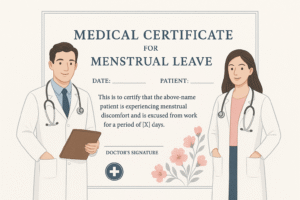
If you are struggling with a balance disorder, obtaining a vertigo medical certificate is often the first step toward recovery. It provides the legal and professional documentation needed to step away from work safely and focus on regaining your equilibrium.
Understanding Vertigo’s Impact on Work
Vertigo is not just “feeling a bit lightheaded.” It is a complex symptom often linked to the inner ear or neurological system. Whether it’s Meniere’s disease, Benign Paroxysmal Positional Vertigo (BPPV), or vestibular neuritis, the physical toll is exhaustive.
The Cognitive and Physical Drain
Working while dizzy is more than uncomfortable—it’s often impossible. Vertigo frequently brings a “brain fog” that makes concentration difficult. When your brain is working overtime just to keep you upright, there is little energy left for spreadsheets, meetings, or customer service.
Why a Doctor’s Note is Essential
Most employers require a formal doctor note for balance disorder to excuse an absence, especially if the symptoms persist for more than a day or two. A medical certificate validates that your condition is a legitimate medical issue rather than simple fatigue, protecting your employment rights while you recover.
Safety Risks in the Workplace
In many industries, “powering through” dizziness isn’t just a matter of productivity—it’s a matter of life and death. If your job involves physical activity, the risks of untreated vertigo are severe.
High-Risk Environments
-
Operating Machinery: If you work in manufacturing or construction, a sudden “drop attack” or dizzy spell can lead to catastrophic accidents.
-
Driving and Commuting: Vertigo makes commuting and working impossible because it impairs your depth perception and reaction time. Operating a vehicle while the horizon is shifting is a major safety violation.
-
Working at Heights: Even a mild case of dizziness can be fatal for those on ladders or scaffolding.
The “Duty of Care”
Both you and your employer have a responsibility to maintain a safe environment. By obtaining a medical certificate, you are officially notifying your workplace of a physical limitation that prevents you from performing tasks safely.
How Doctors Assess Vertigo Online
Gone are the days when you had to navigate a spinning world just to sit in a crowded waiting room. You can now consult with a healthcare professional and get a dizziness sick leave certificate through a telehealth appointment.
History of Episodes and Symptoms
During an online consultation, the doctor will conduct a thorough “clinical history” interview. Since they cannot perform a physical maneuver (like the Dix-Hallpike test) through a screen, they rely on your detailed description:
-
Onset: Did the spinning start suddenly?
-
Duration: Do episodes last seconds, minutes, or hours?
-
Triggers: Does moving your head or rolling over in bed make it worse?
-
Associated Symptoms: Are you experiencing ringing in the ears (tinnitus), nausea, or hearing loss?
This detailed history allows the physician to categorize the severity of your condition and determine the appropriate length of rest required.
Rest Recommendations for Recovery
The primary treatment for an acute vertigo attack is rest in a stable, low-stimulus environment. A medical certificate usually prescribes a period of “vestibular rest,” which includes:
-
Limiting Screen Time: Blue light and fast-moving images on a monitor can exacerbate dizziness.
-
Hydration and Diet: Avoiding caffeine and high-salt foods can help reduce inner ear pressure.
-
Gradual Movement: Once the acute spinning stops, doctors may recommend specific “habituation exercises” to retrain the brain.
Note: Returning to work too early can trigger a relapse, extending your total recovery time. It is vital to follow the duration of leave specified on your certificate.
FAQs
Can I get a medical certificate for vertigo online?
Yes. Telehealth platforms allow you to consult with a licensed doctor who can evaluate your symptoms and provide a digital certificate if you are unfit for work.
How long is a typical sick leave for vertigo?
This depends on the cause. For BPPV, you might only need 2–3 days. For more severe vestibular neuritis or Meniere’s flare-ups, a doctor may recommend a week or more of rest.
Does a vertigo medical certificate mention my specific diagnosis?
In most regions, a medical certificate for an employer only needs to state that you have a “medical condition” and are “unfit for work.” You are generally not required to disclose the specific diagnosis (like BPPV) unless your job has specific safety clearance requirements.
What if my vertigo happens while I’m already at work?
You should notify your supervisor immediately and seek a medical consultation. Driving yourself home while dizzy is dangerous; it is recommended to have someone pick you up or use a ride-sharing service.
Do you need a medical certificate today?
Don’t risk your safety by trying to commute while the world is spinning.
Would you like me to help you draft a formal email to your employer explaining your absence due to vertigo?
The world doesn’t just stop when you have vertigo—it spins, tilts, and flips upside down. Unlike a standard cold or a strained muscle, vestibular disorders strip away your most basic sense of security: your balance. When the room is spinning, even the simplest task, like looking at a computer screen or walking to the breakroom, becomes a monumental challenge.
If you are struggling with a balance disorder, obtaining a vertigo medical certificate is often the first step toward recovery. It provides the legal and professional documentation needed to step away from work safely and focus on regaining your equilibrium.
Understanding Vertigo’s Impact on Work
Vertigo is not just “feeling a bit lightheaded.” It is a complex symptom often linked to the inner ear or neurological system. Whether it’s Meniere’s disease, Benign Paroxysmal Positional Vertigo (BPPV), or vestibular neuritis, the physical toll is exhaustive.
The Cognitive and Physical Drain
Working while dizzy is more than uncomfortable—it’s often impossible. Vertigo frequently brings a “brain fog” that makes concentration difficult. When your brain is working overtime just to keep you upright, there is little energy left for spreadsheets, meetings, or customer service.
Why a Doctor’s Note is Essential
Most employers require a formal doctor note for balance disorder to excuse an absence, especially if the symptoms persist for more than a day or two. A medical certificate validates that your condition is a legitimate medical issue rather than simple fatigue, protecting your employment rights while you recover.
Safety Risks in the Workplace
In many industries, “powering through” dizziness isn’t just a matter of productivity—it’s a matter of life and death. If your job involves physical activity, the risks of untreated vertigo are severe.
High-Risk Environments
-
Operating Machinery: If you work in manufacturing or construction, a sudden “drop attack” or dizzy spell can lead to catastrophic accidents.
-
Driving and Commuting: Vertigo makes commuting and working impossible because it impairs your depth perception and reaction time. Operating a vehicle while the horizon is shifting is a major safety violation.
-
Working at Heights: Even a mild case of dizziness can be fatal for those on ladders or scaffolding.
The “Duty of Care”
Both you and your employer have a responsibility to maintain a safe environment. By obtaining a medical certificate, you are officially notifying your workplace of a physical limitation that prevents you from performing tasks safely.
How Doctors Assess Vertigo Online
Gone are the days when you had to navigate a spinning world just to sit in a crowded waiting room. You can now consult with a healthcare professional and get a dizziness sick leave certificate through a telehealth appointment.
History of Episodes and Symptoms
During an online consultation, the doctor will conduct a thorough “clinical history” interview. Since they cannot perform a physical maneuver (like the Dix-Hallpike test) through a screen, they rely on your detailed description:
-
Onset: Did the spinning start suddenly?
-
Duration: Do episodes last seconds, minutes, or hours?
-
Triggers: Does moving your head or rolling over in bed make it worse?
-
Associated Symptoms: Are you experiencing ringing in the ears (tinnitus), nausea, or hearing loss?
This detailed history allows the physician to categorize the severity of your condition and determine the appropriate length of rest required.
Rest Recommendations for Recovery
The primary treatment for an acute vertigo attack is rest in a stable, low-stimulus environment. A medical certificate usually prescribes a period of “vestibular rest,” which includes:
-
Limiting Screen Time: Blue light and fast-moving images on a monitor can exacerbate dizziness.
-
Hydration and Diet: Avoiding caffeine and high-salt foods can help reduce inner ear pressure.
-
Gradual Movement: Once the acute spinning stops, doctors may recommend specific “habituation exercises” to retrain the brain.
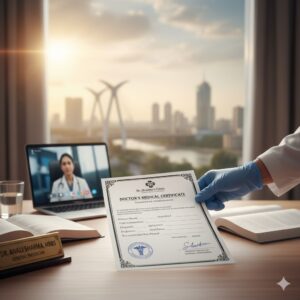
Note: Returning to work too early can trigger a relapse, extending your total recovery time. It is vital to follow the duration of leave specified on your certificate.
FAQs
Can I get a medical certificate for vertigo online?
Yes. Telehealth platforms allow you to consult with a licensed doctor who can evaluate your symptoms and provide a digital certificate if you are unfit for work.
How long is a typical sick leave for vertigo?
This depends on the cause. For BPPV, you might only need 2–3 days. For more severe vestibular neuritis or Meniere’s flare-ups, a doctor may recommend a week or more of rest.
Does a vertigo medical certificate mention my specific diagnosis?
In most regions, a medical certificate for an employer only needs to state that you have a “medical condition” and are “unfit for work.” You are generally not required to disclose the specific diagnosis (like BPPV) unless your job has specific safety clearance requirements.
What if my vertigo happens while I’m already at work?
You should notify your supervisor immediately and seek a medical consultation. Driving yourself home while dizzy is dangerous; it is recommended to have someone pick you up or use a ride-sharing service.
Do you need a medical certificate today?
Don’t risk your safety by trying to commute while the world is spinning.
Would you like me to help you draft a formal email to your employer explaining your absence due to vertigo?