Medical Certificate for Shin Splints
Medical Certificate
If you’re a runner sidelined by that familiar, nagging ache along the front of your lower leg, you may already know you’re dealing with shin splints. What you might not know is exactly how a medical certificate can support your recovery — whether you need to take time off work, take a break from training, or access formal physiotherapy through an employer or insurer. This guide covers everything you need to know about getting a doctor’s note for shin splints, understanding your injury, and making the strongest possible case for the rest your body genuinely needs.
Understanding Overuse Injuries
Shin splints — medically known as medial tibial stress syndrome (MTSS) — are one of the most common running injuries seen in sports medicine clinics. They account for between 10% and 15% of all running-related injuries and are a leading reason recreational and competitive athletes seek medical attention each year.
Unlike acute injuries such as fractures or ligament tears that result from a single traumatic event, shin splints develop gradually as a cumulative overuse injury. Repetitive mechanical stress is applied to the tibia and the surrounding musculature and connective tissue faster than the body can repair the microscopic damage. Over time, this imbalance between stress and recovery manifests as pain, tenderness, and sometimes visible swelling along the inner border of the shinbone.
Why Rest is the Only Cure
This is the part many runners resist hearing: there is no shortcut through shin splints. Anti-inflammatory medications can reduce pain and swelling temporarily, compression sleeves can improve comfort during light activity, and strength training can address the biomechanical weaknesses that contributed to the injury — but none of these interventions replace genuine rest.
The tissue healing process for MTSS follows a specific biological timeline. Bone and periosteal tissue (the outer membrane of the tibia) require a minimum of two to six weeks of substantially reduced load to begin meaningful repair. If you continue running through established shin splints, you risk progressing from a stress reaction to a stress fracture — a far more serious injury that can require weeks in a boot or cast and months away from all weight-bearing exercise.
Sports medicine physicians typically recommend a phased return to activity:
- Phase 1 (Weeks 1–2): Complete rest from impact activity. Cross-training in the pool or on the bike only if pain-free.
- Phase 2 (Weeks 3–4): Introduction of walking, gradual return to light jogging on soft surfaces if symptom-free.
- Phase 3 (Weeks 5–6): Progressive running load, no more than a 10% weekly increase in mileage.
- Phase 4 (Weeks 6+): Return to full training with ongoing strength and flexibility work to prevent recurrence.
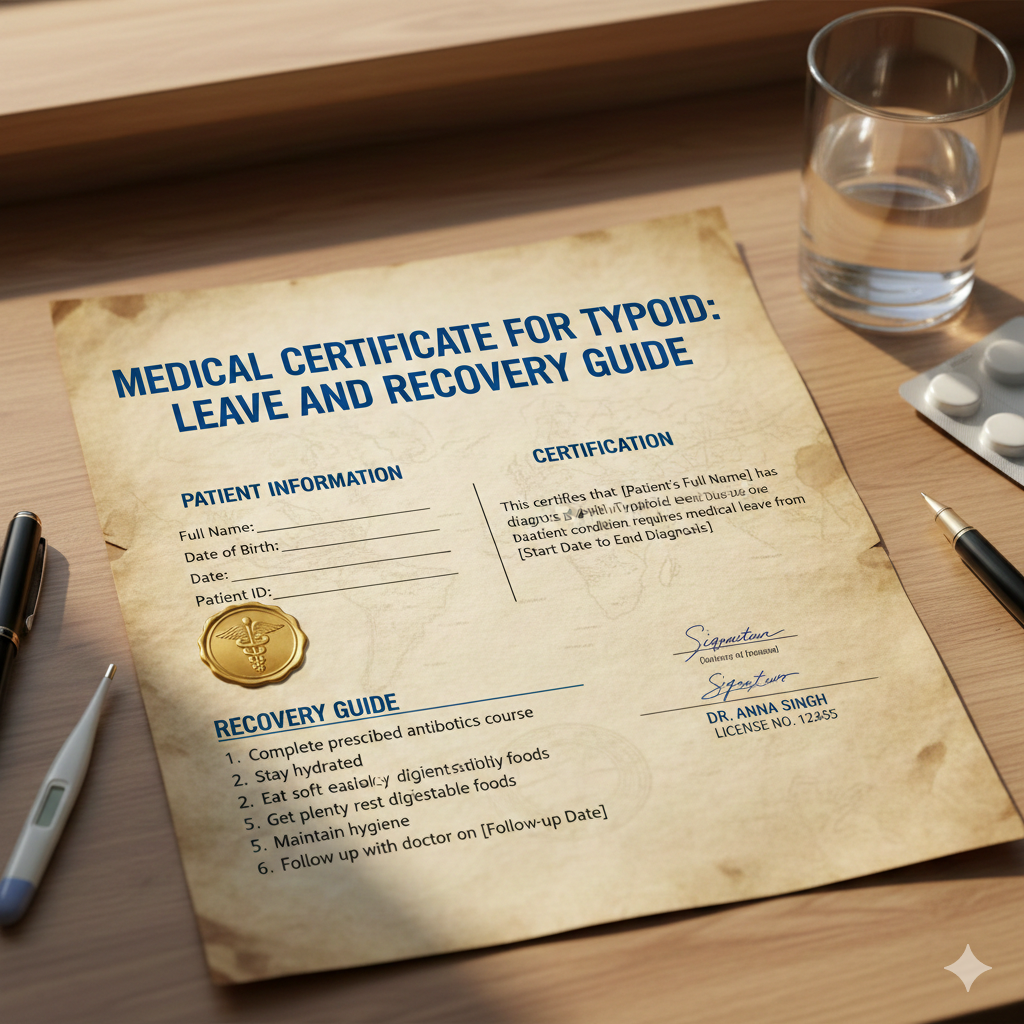
A medical certificate documenting this recovery protocol serves a critical function: it provides formal, professional confirmation that the rest period is medically necessary, not a matter of personal preference or low pain tolerance.
| Key Point: Shin splints are a bone stress injury. Continuing to run through them does not build toughness — it builds fractures. Rest is not optional; it is the treatment. |
Documenting Sports Injuries for Work/School
Runners and athletes span every profession and stage of life. A shin splint flare-up can affect a construction worker who spends eight hours on their feet, a nurse completing 12-hour ward rounds, a student who commutes on foot across a university campus, or a corporate employee who uses their lunch break to train for a half marathon. In each case, the same injury carries very different implications for daily function — and the need for formal documentation varies accordingly.
A medical certificate for shin splints can serve several distinct purposes depending on your situation:
Time Off Work or Modified Duties
If your job involves prolonged standing, walking, or any form of physical labor, shin splints can make it genuinely difficult or impossible to perform your duties without aggravating the injury. A medical certificate from your treating doctor can authorize a period of sick leave, recommend light duties or seated work where possible, or formally advise against activities that involve extended weight-bearing.
Many employers require a doctor’s note for absences longer than two to three consecutive days. For shift workers, this threshold can be reached very quickly. Having documentation in place before you return to work also protects you from being placed on duties that could set your recovery back significantly.
School and University Absence
Students who need to miss physical education classes, sports training sessions, or practical assessments due to shin splints benefit from formal documentation that protects them from academic penalties. A medical certificate allows PE teachers, coaches, and academic administrators to record the absence as medically excused. It can also support applications for deferred assessments or modified participation requirements.
Sports Clubs and Competition
Many sporting clubs, leagues, and governing bodies require a medical clearance before an athlete can be officially stood down from competition and retain their registration status without penalty. A doctor’s note confirming an injury diagnosis supports this process, protects the athlete from disciplinary action for missed games, and in some amateur competitions, satisfies insurance requirements.
Physiotherapy Referrals and Insurance Claims
Private health insurance, workplace injury schemes, and some sporting association insurance policies require a formal diagnosis and referral from a medical practitioner before they will cover the cost of physiotherapy sessions. A medical certificate that includes the diagnosis (medial tibial stress syndrome), the recommended treatment (physiotherapy, activity modification), and the expected recovery timeline provides the documentation needed to unlock these benefits.
If you are covered by workers’ compensation because the injury occurred during work-related physical activity, documentation requirements are even more stringent. You will typically need a first certificate of capacity from your treating GP or sports medicine physician, which outlines your diagnosis, functional limitations, and fitness for work.
| Tip: When booking your appointment, let the receptionist know upfront that you will need a medical certificate. This ensures the appointment is allocated enough time for the doctor to complete paperwork alongside your clinical assessment. |
What a Shin Splints Medical Certificate Should Include
Not all doctor’s notes are created equal. A certificate that simply states “the patient is unfit for work” may not satisfy the specific requirements of your employer, school, or insurer. For shin splints specifically, a comprehensive certificate should ideally include:
- The clinical diagnosis (medial tibial stress syndrome / shin splints)
- The mechanism of injury or contributing factors (overtraining, increased mileage, hard surfaces)
- The recommended period of rest or activity modification
- Specific restrictions (no prolonged standing, no running, no high-impact activity)
- Recommended treatment (physiotherapy, strengthening, graduated return to activity)
- An estimated return-to-work or return-to-sport date if applicable
- The treating doctor’s name, qualifications, practice address, and signature
Your doctor may not include all of these elements by default, particularly if the certificate is generated quickly at the end of a consultation. It is entirely appropriate to ask your doctor to specify certain restrictions or include a referral for physiotherapy on the same document.
Online Medical Certificates for Shin Splints
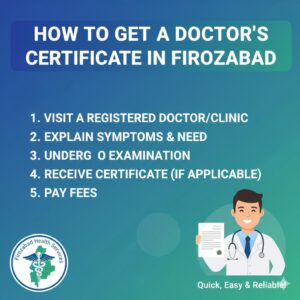
Telehealth has expanded significantly in recent years, and it is now possible to obtain a medical certificate for shin splints through an online consultation with a registered doctor, without needing to attend a physical clinic. This option is particularly useful for athletes who are training away from home, those in regional areas with limited access to sports medicine specialists, or anyone who simply needs documentation quickly to submit to an employer or school.
During an online consultation, the doctor will ask about your symptoms, training history, the onset and nature of your pain, and any steps you have already taken to manage the injury. A certificate can be issued electronically and sent directly to your email within minutes of the consultation concluding. Most standard doctor certificates issued online are accepted by employers, schools, and insurers in the same way as those issued in person.
Note that if you suspect a stress fracture rather than soft tissue shin splints — particularly if pain is sharp, localized to a specific point on the bone, or does not ease with rest — an in-person assessment with imaging (X-ray or MRI) is strongly recommended before relying solely on telehealth management.
Frequently Asked Questions
Can I get a medical certificate for shin splints without seeing a doctor in person?
Yes. Registered doctors practicing through telehealth platforms can assess your symptoms remotely and issue a valid medical certificate. However, if your symptoms are severe, if you suspect a stress fracture, or if this is a recurring injury, an in-person consultation with access to imaging is strongly recommended for a definitive diagnosis.
How long does a shin splint medical certificate typically cover?
Most certificates for shin splints cover an initial period of one to two weeks of restricted activity or light duties, with the option to renew if symptoms persist. A full recovery certificate clearing you for return to sport may be issued separately after a graduated rehabilitation program is completed.
Will my employer accept a medical certificate for a sports injury?
In most cases, yes. There is no legal distinction between a work-related illness and an injury sustained during personal physical activity when it comes to medical certificates. Your employer is entitled to require documentation for absences beyond a specified threshold, but they cannot legally discriminate against you for sustaining an injury during recreational sport.
Does a medical certificate for shin splints cover physiotherapy costs?
A medical certificate alone does not automatically cover physiotherapy costs — you will also need a referral. Ask your doctor to include a formal referral to a physiotherapist on the same or a separate document, which you can then submit to your private health insurer or workplace injury scheme to claim eligible benefits.
What is the difference between shin splints and a stress fracture?
Shin splints (MTSS) involve inflammation and micro-damage to the periosteum and surrounding soft tissue along a broader area of the tibia. A stress fracture is a more serious injury involving a hairline crack in the bone itself. Stress fractures typically present with sharper, more localized pain that does not ease with rest. Both require medical assessment; stress fractures require imaging to confirm the diagnosis and may require more extensive rest or immobilization.
Can I keep cross-training while I have shin splints?
Low-impact cross-training such as swimming, cycling, or pool running is generally permitted during shin splint recovery provided it is pain-free. Your medical certificate will typically specify restrictions on impact activity (running, jumping) rather than all forms of exercise. Always confirm with your treating doctor what level of activity is appropriate for your specific stage of recovery.
Getting the Documentation You Need
Shin splints are a genuine medical condition that can significantly impair your ability to perform physical work, attend school normally, and participate in sport. Rest is not a luxury — it is the primary treatment. A well-documented medical certificate gives you the professional backing to take that rest without professional or financial penalty, access physiotherapy benefits you are entitled to, and return to running stronger and better prepared to prevent the same injury in the future.
If you are dealing with shin splints right now, do not wait for the pain to become unbearable before seeking medical advice. Early documentation and a structured recovery plan are the fastest routes back to the miles you love.