Understanding the Signs of Anemia and When to Get a Medical Certificate
Medical Certificate
Anemia is one of the most common blood disorders worldwide, affecting millions of people across all age groups. Despite its prevalence, many individuals remain unaware of the condition until symptoms become severe enough to interfere with daily life. Understanding the signs of anemia and knowing when to seek medical attention can make a significant difference in your health and well-being.
What Is Anemia?
Anemia occurs when your body doesn’t have enough healthy red blood cells to carry adequate oxygen to your tissues. Red blood cells contain hemoglobin, a protein that binds to oxygen in your lungs and transports it throughout your body. When hemoglobin levels drop below normal ranges, your organs and tissues don’t receive the oxygen they need to function properly.
There are several types of anemia, each with different underlying causes. Iron-deficiency anemia is the most common form, resulting from insufficient iron in the body. Other types include vitamin deficiency anemia, anemia of chronic disease, aplastic anemia, and hemolytic anemia. The type of anemia you have determines the appropriate treatment approach.
Common Signs and Symptoms
The symptoms of anemia can vary depending on the severity of the condition and how quickly it develops. In mild cases, you might not notice any symptoms at all. However, as anemia progresses, several telltale signs typically emerge.
Fatigue and Weakness
Perhaps the most characteristic symptom of anemia is persistent fatigue that doesn’t improve with rest. You might feel exhausted even after a full night’s sleep or find yourself unable to complete tasks that previously seemed effortless. This overwhelming tiredness occurs because your muscles and brain aren’t receiving adequate oxygen to function efficiently.
Pale Skin and Mucous Membranes
Hemoglobin gives blood its red color, so when levels are low, your skin may appear noticeably paler than usual. This pallor is often most evident in the face, nail beds, inside of the lower eyelids, and gums. If you pull down your lower eyelid and the inside appears very pale or white instead of a healthy pink, this could indicate anemia.
Shortness of Breath
As your body struggles to deliver oxygen to tissues, you may experience breathlessness during activities that normally wouldn’t cause such a response. This might include climbing stairs, walking short distances, or even having conversations. Your heart and lungs work harder to compensate for the oxygen deficit, leading to a feeling of being winded.
Dizziness and Lightheadedness
Insufficient oxygen reaching the brain can cause frequent dizziness, especially when standing up quickly or changing positions. You might feel unsteady on your feet or experience a spinning sensation. In severe cases, people may even faint.
Cold Hands and Feet
Poor circulation due to reduced oxygen-carrying capacity often results in cold extremities. Your hands and feet may feel unusually cold even in warm environments, as your body prioritizes oxygen delivery to vital organs over peripheral areas.
Rapid or Irregular Heartbeat
Your heart may beat faster or irregularly as it attempts to pump more blood to compensate for low oxygen levels. You might notice your heart racing even when you’re at rest or experience palpitations that feel uncomfortable or alarming.
Headaches
Chronic headaches, particularly in the front of the head, are common in people with anemia. These occur because the brain isn’t receiving sufficient oxygen, causing blood vessels to swell.
Other Symptoms
Additional signs of anemia include chest pain, brittle nails, frequent infections, difficulty concentrating or brain fog, tongue swelling or soreness, unusual cravings for non-food items like ice or dirt (a condition called pica), and restless leg syndrome. Some people also experience ringing in the ears or changes in their menstrual cycle.
Risk Factors for Anemia
Certain factors increase your likelihood of developing anemia. Women are at higher risk due to menstruation, pregnancy, and childbirth, all of which can lead to blood loss or increased iron demands. Pregnant women require nearly twice as much iron as usual to support fetal development.
Diet plays a crucial role as well. Vegetarians and vegans may struggle to obtain sufficient iron, vitamin B12, or folate from plant-based sources alone. People with digestive disorders like Crohn’s disease, celiac disease, or those who’ve had gastric bypass surgery may have difficulty absorbing nutrients properly.
Chronic diseases including kidney disease, cancer, rheumatoid arthritis, and HIV/AIDS can interfere with red blood cell production. Regular blood donation, while generous, can also deplete iron stores if not properly managed. Family history matters too, as some forms of anemia like sickle cell disease and thalassemia are inherited conditions.
When to See a Doctor
While mild anemia might not require immediate medical attention, certain situations warrant prompt evaluation by a healthcare professional. You should schedule an appointment if you experience persistent fatigue that interferes with your daily activities, notice any of the symptoms mentioned above lasting more than a couple of weeks, or if your symptoms progressively worsen.
Seek immediate medical care if you develop severe symptoms such as extreme weakness or inability to stand, chest pain or difficulty breathing at rest, severe dizziness or fainting spells, rapid heartbeat accompanied by chest discomfort, or confusion and difficulty thinking clearly. These could indicate dangerously low hemoglobin levels requiring urgent treatment.
It’s also important to consult a doctor if you have risk factors for anemia, such as heavy menstrual periods, a restricted diet, chronic illness, or a family history of inherited blood disorders. Early detection and treatment can prevent complications and improve your quality of life significantly.
The Diagnostic Process
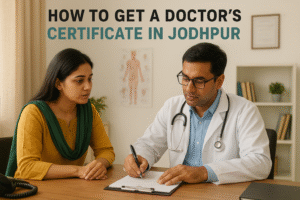
When you visit your doctor with suspected anemia, they’ll begin with a thorough medical history and physical examination. They’ll ask about your symptoms, diet, medications, and any family history of blood disorders. The physical exam will look for signs like pallor, rapid heartbeat, and other indicators of anemia.
The primary diagnostic tool is a complete blood count, which measures several blood components including hemoglobin levels, hematocrit (the percentage of red blood cells in your blood), and red blood cell count. Normal hemoglobin levels vary by age and sex, but generally range from 13.5 to 17.5 grams per deciliter for men and 12.0 to 15.5 for women.
Depending on the initial results, your doctor may order additional tests to determine the underlying cause. These might include iron studies, vitamin B12 and folate levels, reticulocyte count (which measures how quickly your body produces new red blood cells), or more specialized tests for specific types of anemia.
When You Need a Medical Certificate
A medical certificate documenting your anemia diagnosis becomes necessary in several situations. If your symptoms significantly impact your ability to work or attend school, you’ll likely need documentation to qualify for sick leave or academic accommodations. Employers and educational institutions typically require official verification of your condition to grant extended absences or modified duties.
For those seeking workplace accommodations, a medical certificate can help you obtain adjustments such as reduced hours, lighter physical duties, more frequent breaks, or the ability to work from home during particularly symptomatic periods. Under disability and employment laws in many countries, documented medical conditions entitle employees to reasonable accommodations.
If you’re applying for disability benefits or insurance claims related to your anemia, official medical documentation is essential. Insurance companies and government agencies require detailed information about your diagnosis, treatment plan, and how the condition affects your daily functioning.
Students may need medical certificates to request deadline extensions, exam accommodations, or reduced course loads. Universities and schools generally have formal processes requiring physician documentation for such requests.
For those planning to travel, particularly to areas at high altitude or requiring physical exertion, a medical certificate can help explain your condition to travel insurance providers or tour operators. It may also be necessary if you need to carry medications or medical equipment.
What Should Be Included in a Medical Certificate
A comprehensive medical certificate for anemia should contain specific information to be useful for its intended purpose. It should clearly state your diagnosis, including the type of anemia and severity. The document should outline your symptoms and how they impact your daily activities or work capacity.
The certificate should mention the treatment plan, including medications, dietary changes, or other interventions. It should specify any restrictions or limitations, such as avoiding heavy lifting, needing frequent rest breaks, or requiring reduced work hours. The expected duration of these limitations should also be noted, whether temporary or ongoing.
Your physician’s contact information and medical license number should be included for verification purposes. The certificate should be dated and signed by your healthcare provider on official letterhead. For workplace or school accommodations, the doctor should explicitly state what modifications are medically necessary without revealing more personal health information than required.
Treatment and Management
Treatment for anemia depends entirely on the underlying cause. Iron-deficiency anemia typically responds well to iron supplements and dietary modifications. Your doctor will recommend increasing consumption of iron-rich foods like red meat, poultry, fish, beans, dark leafy greens, and iron-fortified cereals. Vitamin C helps with iron absorption, so pairing iron-rich foods with citrus fruits or tomatoes can enhance effectiveness.
For vitamin deficiency anemias, supplements of B12, folate, or other necessary nutrients usually resolve the condition. Some people with severe B12 deficiency may require injections rather than oral supplements. If anemia results from chronic disease, treating the underlying condition is paramount, though supplementation may still be necessary.
More severe forms of anemia might require blood transfusions, medications to stimulate red blood cell production, or in cases of inherited disorders, ongoing specialized care. Aplastic anemia may necessitate bone marrow transplantation.
Throughout treatment, regular follow-up appointments and blood tests are essential to monitor your response and adjust the treatment plan as needed. Most people with anemia see improvement within a few weeks to months of starting appropriate treatment.
Living with Anemia
Managing anemia involves more than just taking medications. Lifestyle adjustments can significantly improve your energy levels and overall well-being. Prioritize rest and don’t push yourself beyond your current capacity. Pace your activities throughout the day, taking breaks as needed.
Maintain a balanced diet rich in iron, vitamins, and minerals. Stay hydrated and avoid substances that interfere with iron absorption, such as tea and coffee consumed with meals. Regular, gentle exercise as tolerated can actually help boost energy levels over time, though you should consult your doctor before starting any new exercise program.
Be patient with yourself during treatment. Recovery from anemia takes time, and you may experience good days and difficult days. Communicate openly with your healthcare provider about your symptoms and any concerns. Keep track of your symptoms in a journal, noting what makes them better or worse.
Prevention Strategies
While not all types of anemia are preventable, you can reduce your risk of nutritional anemias through dietary choices. Ensure adequate intake of iron from sources like lean meats, seafood, beans, and fortified grains. Women of childbearing age, pregnant women, and growing children have higher iron requirements and should be especially mindful.
Include plenty of vitamin B12 from animal products or fortified foods, and get sufficient folate from leafy greens, citrus fruits, and beans. If you follow a vegetarian or vegan diet, consider supplements to prevent deficiencies.
Address heavy menstrual bleeding with your healthcare provider, as this is a common cause of iron-deficiency anemia in women. Treat any digestive disorders that might interfere with nutrient absorption. If you donate blood regularly, maintain adequate iron intake and consider spacing donations further apart if you develop symptoms of anemia.

Conclusion
Anemia is a manageable condition when properly diagnosed and treated. Recognizing the signs early allows for prompt intervention and prevents complications. If you’re experiencing persistent fatigue, weakness, or other symptoms discussed in this article, don’t dismiss them as simply being tired or stressed. Schedule an appointment with your healthcare provider for evaluation.
When anemia affects your ability to work, study, or perform daily activities, obtaining a medical certificate ensures you receive appropriate accommodations and support. This documentation serves as an important tool in managing your condition while maintaining your responsibilities and quality of life.
Remember that anemia is not something you need to suffer through alone or in silence. With proper medical care, treatment, and lifestyle adjustments, most people with anemia can return to their normal activities and feel like themselves again. Your health is worth the time and attention needed to address this condition properly, and seeking help is a sign of taking responsibility for your well-being, not weakness.