Medical Certificates for Air Pollution and Respiratory Issues: A Comprehensive Guide
Medical Certificates
Medical Certificates
Air pollution has become one of the most pressing public health challenges of our time. As industrial emissions, vehicle exhaust, and wildfire smoke increasingly compromise air quality in urban and rural areas alike, millions of people find themselves struggling with respiratory conditions that make it difficult or dangerous to work, attend school, or go about daily activities during high-pollution episodes. For many individuals, obtaining a medical certificate documenting their sensitivity to air pollution has become not just beneficial, but essential.

Understanding the Link Between Air Pollution and Respiratory Health
Before exploring the process of obtaining medical certificates, it’s important to understand why air pollution poses such a significant threat to respiratory health. Air pollution consists of a complex mixture of particulate matter, ground-level ozone, nitrogen dioxide, sulfur dioxide, carbon monoxide, and various other harmful substances. These pollutants can penetrate deep into the lungs and even enter the bloodstream, triggering inflammation and exacerbating existing respiratory conditions.
People with asthma, chronic obstructive pulmonary disease (COPD), bronchitis, emphysema, and other respiratory conditions are particularly vulnerable to poor air quality. Even healthy individuals can experience adverse effects during severe pollution episodes, including coughing, shortness of breath, chest tightness, and reduced lung function. Children, elderly individuals, and pregnant women also face heightened risks from air pollution exposure.
The World Health Organization estimates that air pollution contributes to approximately seven million premature deaths annually worldwide. Beyond mortality, countless individuals experience reduced quality of life, missed workdays, emergency room visits, and hospitalizations due to pollution-related respiratory complications.
What Is a Medical Certificate for Air Pollution Sensitivity?
A medical certificate for air pollution and respiratory issues is an official document prepared by a licensed healthcare provider that verifies a patient’s medical condition and explains how exposure to air pollution affects their health. These certificates serve multiple important purposes across various contexts.
The certificate typically includes the patient’s diagnosis, a description of symptoms triggered or worsened by air pollution, specific air quality thresholds that pose health risks to the individual, recommended accommodations or restrictions, and the duration for which the certificate remains valid. Some certificates may also include specific Air Quality Index (AQI) levels above which the patient should avoid outdoor activities or require workplace modifications.
These documents carry legal weight because they’re prepared by qualified medical professionals who have examined the patient, reviewed their medical history, and applied clinical judgment to assess the relationship between air pollution exposure and the individual’s health condition.
Why You Might Need a Medical Certificate
There are numerous situations where a medical certificate documenting air pollution sensitivity becomes necessary or highly beneficial. Understanding these scenarios can help you determine whether pursuing such documentation is appropriate for your circumstances.
Workplace Accommodations
Many individuals with respiratory conditions require workplace modifications during periods of poor air quality. A medical certificate can support requests for remote work options when air quality reaches hazardous levels, relocation to indoor work areas away from pollution sources, flexible scheduling to avoid peak pollution hours, installation of air purification systems in work areas, or exemption from outdoor duties during high-pollution days.
Under laws such as the Americans with Disabilities Act in the United States or similar legislation in other countries, employers may be required to provide reasonable accommodations for employees with documented medical conditions. A properly prepared medical certificate strengthens your position when requesting such accommodations.
Educational Institutions
Students with respiratory sensitivities often need accommodations during poor air quality days. Medical certificates can support requests for excused absences during severe pollution episodes, alternative arrangements for outdoor physical education classes, access to indoor spaces during recess or breaks, extended deadlines for assignments missed due to pollution-related illness, or permission to use air purifiers in classrooms or dormitories.
Schools and universities typically have policies for accommodating students with medical conditions, but these accommodations usually require official documentation from a healthcare provider.
Legal and Insurance Purposes
Medical certificates may be necessary when filing disability claims related to pollution-induced respiratory conditions, pursuing workers’ compensation if your job involves exposure to poor air quality, supporting legal action against polluters or negligent parties, documenting health impacts for environmental litigation, or substantiating insurance claims for medical treatments or lost income due to pollution-related health issues.
Housing and Relocation
In some cases, individuals with severe respiratory conditions may need to relocate to areas with better air quality. Medical certificates can support applications for housing transfers in public or subsidized housing, requests to break lease agreements without penalty due to health concerns, disability-related housing modifications, or immigration applications where health considerations are relevant.
Athletic and Recreational Activities
Athletes and active individuals with respiratory conditions may need documentation to explain performance limitations during poor air quality, support requests for indoor training alternatives, justify withdrawal from outdoor competitions when pollution levels are high, or support requests for event rescheduling during severe pollution episodes.
Who Can Issue Medical Certificates for Air Pollution Issues?
Not all healthcare providers are equally positioned to issue medical certificates related to air pollution and respiratory health. Understanding which professionals are most appropriate can help ensure your certificate carries maximum credibility and effectiveness.
Primary Care Physicians
Your family doctor or general practitioner is often the first point of contact. They can document respiratory symptoms, provide initial assessments, issue certificates for straightforward cases, and refer you to specialists when necessary. Primary care physicians have the advantage of knowing your overall health history and can place respiratory concerns within the broader context of your health.
Pulmonologists
These respiratory specialists are often the most authoritative sources for medical certificates related to air pollution and respiratory health. Pulmonologists can conduct advanced diagnostic testing including spirometry, lung capacity measurements, and allergy testing, provide detailed clinical assessments of how pollution affects your specific condition, offer expert opinions that carry significant weight in legal or official contexts, and develop comprehensive treatment plans addressing pollution-related symptoms.
For complex respiratory conditions or when facing skepticism about your claims, a certificate from a pulmonologist is particularly valuable.
Allergists and Immunologists
These specialists focus on how the immune system responds to environmental triggers. They’re particularly relevant for individuals whose respiratory symptoms result from allergic reactions to pollutants, can document specific sensitivities to pollution components, perform allergy testing to identify triggering substances, and explain the immunological mechanisms behind pollution-related symptoms.
Occupational Medicine Specialists
If your exposure to air pollution occurs primarily in a workplace context, occupational medicine specialists can assess workplace air quality hazards, document work-related respiratory conditions, provide expert opinions on necessary workplace accommodations, and navigate workers’ compensation processes.
Other Relevant Specialists
Depending on your specific situation, other medical professionals might contribute to documentation, including cardiologists for individuals experiencing cardiovascular effects from pollution, pediatricians for children with pollution sensitivities, or environmental medicine specialists who focus specifically on health impacts of environmental exposures.
The Process of Obtaining a Medical Certificate
Acquiring a medical certificate for air pollution sensitivity involves several steps. Being prepared and proactive throughout this process can help ensure you receive comprehensive documentation.
Initial Consultation
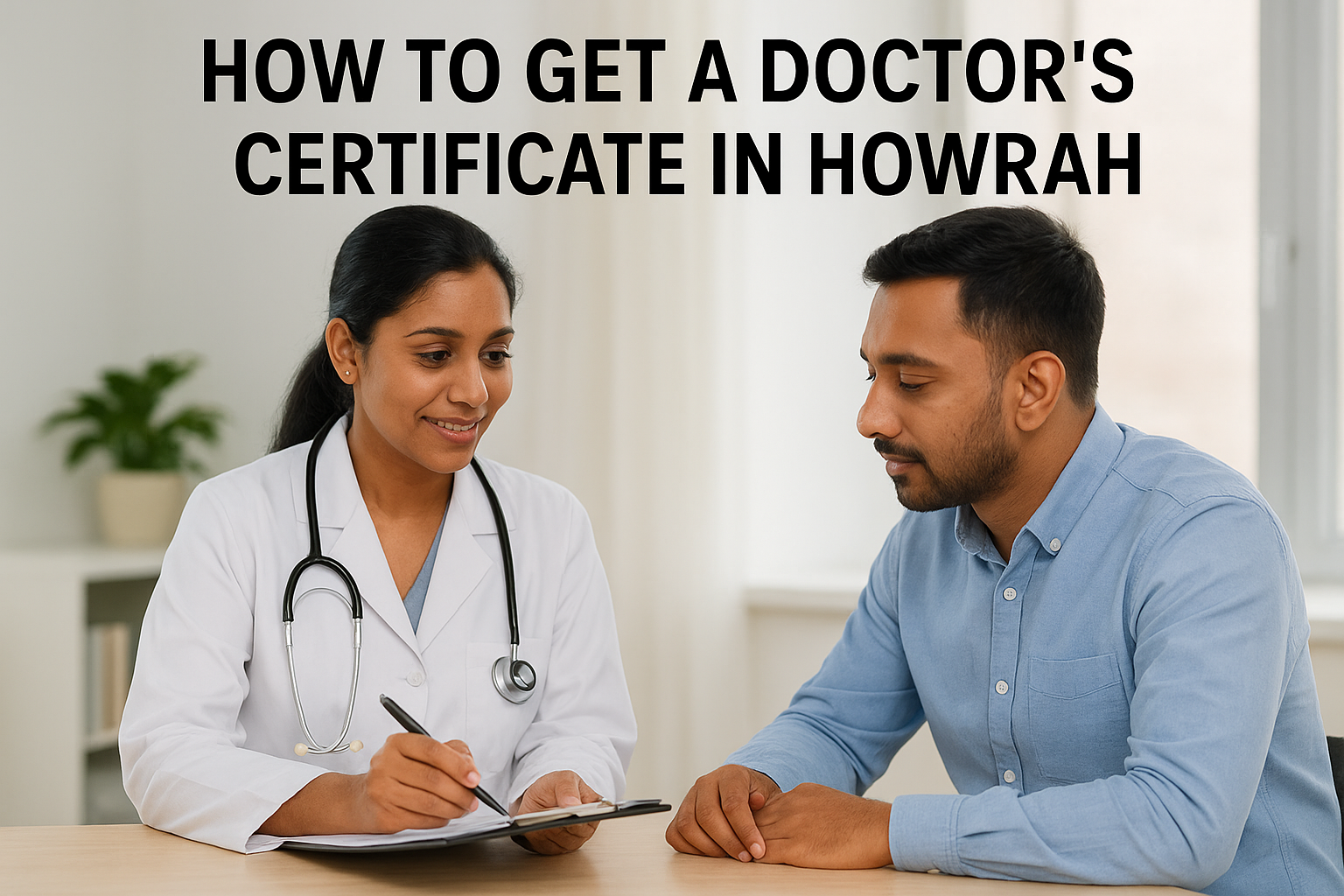
Schedule an appointment with an appropriate healthcare provider and be prepared to discuss your symptoms in detail, including when they occur, their severity, and what triggers them. Bring any previous medical records related to respiratory issues, a list of current medications, and documentation of air quality conditions when symptoms have occurred.
Be specific about why you need the certificate. Whether it’s for workplace accommodations, school needs, or legal purposes, your doctor needs to understand the context to include relevant information in the documentation.
Diagnostic Testing
Your healthcare provider will likely perform or order various tests to document your respiratory condition objectively. These may include spirometry to measure lung function, peak flow testing to assess airway obstruction, chest X-rays or CT scans to visualize lung structure, allergy testing to identify specific triggers, blood tests to check for inflammation or other indicators, or exercise challenge tests to see how physical activity in different air quality conditions affects your breathing.
Objective test results strengthen medical certificates significantly, providing measurable evidence of your condition rather than relying solely on subjective symptom reports.
Documenting the Pollution-Health Connection
A key component of an effective medical certificate is clearly establishing the relationship between air pollution exposure and your symptoms. Keep a detailed symptom diary noting dates, times, symptoms experienced, and corresponding air quality levels from local monitoring stations. Track patterns showing symptom onset or worsening during high-pollution days, document healthcare visits or medication usage increases during poor air quality periods, and note improvements when air quality is good or when you’re in cleaner environments.
This documentation helps your healthcare provider draw clear connections in the medical certificate, making it more convincing and defensible.
The Certificate Itself
Once your healthcare provider has completed their assessment, they’ll prepare the medical certificate. A comprehensive certificate should include patient identification information, the healthcare provider’s credentials and contact information, diagnosis of your respiratory condition, a clear statement about how air pollution affects your health, specific recommendations or restrictions, relevant test results, the effective date and duration of validity, and the provider’s signature and date.
Review the certificate carefully before leaving the appointment. Ensure it addresses your specific needs and includes all information required for your intended purpose.
Key Elements of an Effective Medical Certificate
Not all medical certificates are created equal. Understanding what makes a certificate effective can help you work with your healthcare provider to ensure your documentation meets necessary standards.
Specificity
Vague statements like “patient is sensitive to air pollution” carry less weight than specific declarations such as “patient with moderate persistent asthma experiences bronchospasm and requires rescue inhaler use when Air Quality Index exceeds 100.” Specific AQI thresholds, particular pollutants that trigger symptoms, measurable symptoms and their severity, and concrete recommendations for accommodations all strengthen the certificate.
Objective Evidence
Whenever possible, the certificate should reference objective medical evidence including pulmonary function test results showing impairment, imaging studies demonstrating lung pathology, documentation of emergency department visits during pollution episodes, or records of increased medication requirements during high pollution periods.
Professional Presentation
The certificate should be on official letterhead, free from spelling or grammatical errors, formatted professionally, and include all relevant contact information for verification. A poorly presented certificate may be questioned even if its medical content is sound.
Appropriate Scope
The certificate should avoid overreaching beyond the healthcare provider’s expertise, making unsupported claims, including irrelevant medical information, or providing recommendations for situations the provider hasn’t adequately assessed. Staying within appropriate professional boundaries actually strengthens the certificate’s credibility.
Using Your Medical Certificate Effectively
Once you have your medical certificate, knowing how to deploy it appropriately maximizes its effectiveness.
Workplace Situations
Present your certificate to human resources or your supervisor along with a written request for specific accommodations. Be prepared to engage in an interactive process where your employer may ask questions or request clarification. Under disability accommodation laws, employers must keep your medical information confidential and cannot share it broadly. Focus conversations on necessary accommodations rather than detailed medical information, which the certificate should cover.
Educational Settings
Provide your certificate to the appropriate office, such as disability services, student health, or the dean’s office. Many educational institutions have formal accommodation processes requiring specific forms in addition to medical documentation. Follow up to ensure accommodations are implemented and communicate with individual instructors as needed.
Legal and Official Contexts
When using medical certificates for legal purposes, consult with an attorney about how best to present the documentation. Be aware that in legal contexts, the opposing party may request additional medical examinations or records. Ensure your healthcare provider is willing to testify or provide additional information if necessary.
Challenges and Considerations
Obtaining and using medical certificates for air pollution sensitivity isn’t always straightforward. Being aware of potential challenges helps you navigate them effectively.
Skepticism and Pushback
Unfortunately, some employers, institutions, or officials may be skeptical about air pollution-related health claims. They might question whether your condition truly requires accommodations, suggest you’re exaggerating symptoms, or claim that accommodations would create undue hardship. Having strong documentation from credible specialists, objective test results, and detailed symptom records helps counter skepticism. If facing unreasonable resistance, legal consultation may be necessary.
Cost Considerations
Obtaining comprehensive medical documentation can be expensive, especially if it involves specialist consultations and extensive testing. Many insurance plans cover diagnostic testing for respiratory conditions, but you may face copays, deductibles, or coinsurance. If cost is a barrier, discuss this with your healthcare provider. They may be able to prioritize essential tests or help you find lower-cost testing options. Some communities offer free or sliding-scale respiratory health clinics, particularly in areas with known air quality issues.
Privacy Concerns
Sharing medical certificates requires disclosing health information. While laws protect medical privacy in many contexts, you’re necessarily revealing at least some information about your health condition. You have the right to limit disclosure to what’s necessary for the specific purpose. For example, an employer needs to know you require certain accommodations but doesn’t need your complete medical history.
Duration and Updates
Medical certificates typically have expiration dates, after which you may need updated documentation. Chronic conditions may require annual or periodic renewals, while acute situations might need only short-term certification. Keep track of expiration dates and schedule follow-up appointments in advance. Your condition may also change over time, requiring updated assessments and new certificates.
Prevention and Management Beyond Documentation
While medical certificates provide important legal and practical protections, actively managing your respiratory health and minimizing pollution exposure remains crucial.
Personal Air Quality Monitoring
Consider investing in a portable air quality monitor to track pollution levels in your immediate environment. Many smartphone apps provide real-time air quality updates for your location. Set up alerts for when air quality reaches levels that affect your health, and plan activities around air quality forecasts when possible.
Environmental Controls
Use HEPA air purifiers in your home, particularly in bedrooms and main living areas. Keep windows and doors closed during high pollution periods. Create a “clean room” in your home where air quality is carefully controlled. In vehicles, use recirculated air mode and cabin air filters during high pollution times.
Medical Management
Work with your healthcare provider to optimize your treatment plan. This might include preventive medications taken regularly to reduce overall inflammation, rescue medications for acute symptoms, an action plan specifying what to do at different symptom levels, and regular monitoring of lung function.
Lifestyle Adjustments
Schedule outdoor activities during early morning when pollution levels are typically lower. Exercise indoors during poor air quality days. If you smoke, quitting is essential as smoking combined with air pollution exposure dramatically increases respiratory risks. Maintain overall health through good nutrition, adequate sleep, and stress management, which supports respiratory resilience.
Community Action
While individual accommodations are important, collective action to improve air quality benefits everyone. Consider participating in community advocacy for better air quality regulations, supporting policies that reduce pollution sources, contributing to citizen science air quality monitoring projects, or joining local environmental or health advocacy organizations.
Special Populations
Certain groups face unique considerations regarding air pollution, respiratory health, and medical documentation.
Children
Children’s developing lungs make them particularly vulnerable to air pollution. Parents seeking medical certificates for children should work with pediatricians or pediatric pulmonologists, document impacts on school performance and activities, be aware that children may not articulate symptoms clearly, and advocate strongly for school accommodations as educational institutions sometimes underestimate children’s health needs.
Elderly Individuals
Older adults often have reduced respiratory capacity and may have multiple health conditions affected by pollution. Medical certificates should address how pollution interacts with other health issues, consider mobility limitations that make exposure avoidance more difficult, and document any cognitive effects of pollution that might impact daily functioning.
Pregnant Individuals
Air pollution can affect both maternal and fetal health. Medical certificates for pregnant individuals should note increased vulnerability during pregnancy, potential impacts on fetal development, and recommendations that protect both the pregnant person and developing baby. Obstetricians should coordinate with pulmonologists or other specialists when necessary.
Outdoor Workers
Construction workers, delivery personnel, agricultural workers, and others who work primarily outdoors face sustained pollution exposure. Medical certificates for outdoor workers should specifically address workplace hazards, provide clear guidance on when work restrictions are necessary, support requests for protective equipment, and note if job modifications or reassignment might be required.
The Bigger Picture: Air Pollution as a Public Health Crisis

While individual medical certificates provide necessary protections for those directly affected, it’s important to recognize air pollution as a systemic public health crisis requiring broader solutions.
Air quality improvements over the past several decades in many developed countries demonstrate that effective regulation and technological innovation can reduce pollution substantially. However, many regions worldwide continue to experience dangerous air quality, and even in areas with generally good air quality, episodic pollution events from wildfires, industrial incidents, or weather patterns can create hazardous conditions.
The increasing frequency of wildfire-related air quality disasters, particularly in western North America and Australia, has brought air pollution concerns to populations previously less affected. Climate change is expected to worsen air quality in many regions through increased wildfires, higher temperatures that promote ground-level ozone formation, and changing weather patterns.
As more people require medical documentation of air pollution sensitivity, this creates a feedback loop that highlights the scope of the public health problem and can drive policy change. Your individual experience and need for accommodations is part of a larger story about environmental health that deserves attention from policymakers, employers, and community leaders.
Conclusion
Medical certificates for air pollution and respiratory issues serve as crucial tools for protecting health and ensuring necessary accommodations in work, school, and other settings. While the process of obtaining comprehensive documentation can require time, effort, and expense, the protections these certificates provide often prove invaluable for individuals whose health is compromised by poor air quality.
If you experience respiratory symptoms that worsen during periods of poor air quality, don’t hesitate to discuss your concerns with a healthcare provider. Early documentation of your condition not only helps you secure necessary accommodations now but also creates a medical record that may prove important for future needs.
Remember that seeking medical certification isn’t about being difficult or requesting special treatment—it’s about protecting your health and ensuring you can participate fully in work, education, and community life despite environmental conditions that threaten your wellbeing. You have the right to breathe clean air and to receive accommodations when air quality compromises your health.
As we collectively work toward cleaner air and healthier communities, individual medical certificates remain an important tool for protecting those most vulnerable to air pollution’s harmful effects. Your health matters, and documentation of your air pollution sensitivity is a legitimate and necessary step in safeguarding it.