
Types of Medical Certificates: A Comprehensive Guide
Medical Certificates
Medical Certificates
Medical certificates are essential documents that serve as official records of a person’s health status, issued by licensed healthcare professionals. Whether you’re applying for a job, taking sick leave, traveling abroad, or engaging in sports activities, you’ll likely need a medical certificate at some point. Understanding the different types of medical certificates and their specific purposes can help you navigate various situations with confidence.
What is a Medical Certificate?
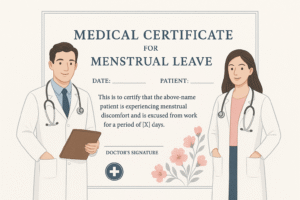
A medical certificate is an official document issued by a qualified medical practitioner that confirms specific information about a patient’s health condition. These certificates serve multiple purposes, from verifying illness for workplace absences to certifying fitness for specific activities. They contain essential information such as the patient’s name, the doctor’s assessment, diagnosis (when relevant), and the doctor’s signature and credentials.
Common Types of Medical Certificates
1. Sick Leave Medical Certificate
The sick leave certificate is perhaps the most commonly requested medical document. Employees present this certificate to their employers to justify absences due to illness or injury. This certificate typically includes:
- The date of examination
- The period during which the patient is unfit for work
- A general description of the illness (though specific diagnoses may be omitted for privacy)
- Recommendations for rest or restricted duties
Most employers require this certificate if an employee is absent for more than a certain number of consecutive days, usually two to three days, though policies vary by organization and jurisdiction.
2. Fitness to Work Certificate
Unlike the sick leave certificate, a fitness to work certificate confirms that an individual is medically capable of performing their job duties. This type of certificate is commonly required:
- Before starting a new job, especially in physically demanding roles
- After recovering from a serious illness or injury
- For employees returning to work after extended medical leave
- In industries with specific health and safety requirements, such as aviation, mining, or transportation
The certificate may specify any restrictions or accommodations the employee might need, such as avoiding heavy lifting or working reduced hours during a recovery period.
3. Pre-Employment Medical Certificate
Many employers require prospective employees to undergo a medical examination before finalizing their employment. The pre-employment medical certificate confirms that the candidate is in suitable health to perform the job’s requirements. This examination typically includes:
- General physical examination
- Vision and hearing tests
- Blood pressure and vital signs assessment
- Drug screening (in some jurisdictions and industries)
- Specific tests relevant to the job requirements
This certificate protects both the employer and employee by ensuring that the work environment won’t exacerbate existing health conditions and that the employee can safely perform their duties.
4. Medical Certificate for Travel
International travel often requires specific medical documentation, depending on the destination and purpose of travel. Travel medical certificates include:
Fitness to Fly Certificate: Required for passengers with recent surgeries, serious medical conditions, or advanced pregnancy. Airlines need assurance that passengers can safely undertake air travel without medical complications.
Vaccination Certificate: Documents immunizations required for entry into certain countries. The International Certificate of Vaccination or Prophylaxis (ICVP), commonly known as the “yellow card,” is recognized worldwide and may be mandatory for travel to regions with diseases like yellow fever or meningitis.
Medical Clearance for Travel: Some countries require travelers with certain medical conditions to carry certificates confirming they’re medically stable and won’t require extensive medical care during their visit.
5. Sports and Fitness Medical Certificate
Athletes, gym members, and participants in organized sports often need medical certificates confirming their fitness for physical activity. These certificates are particularly important for:
- Children and adolescents participating in school sports programs
- Adults joining competitive sports leagues
- Professional athletes before competitions
- Individuals starting intensive fitness programs
The examination for a sports medical certificate typically includes cardiovascular assessment, musculoskeletal evaluation, and screening for conditions that might pose risks during physical exertion, such as undiagnosed heart conditions.
6. Disability Medical Certificate
A disability medical certificate provides official documentation of a person’s disability or medical condition that may affect their daily functioning. These certificates are essential for:
- Applying for disability benefits or social services
- Requesting workplace accommodations under disability laws
- Obtaining special parking permits
- Accessing educational support services
- Applying for disability insurance claims
This certificate typically requires detailed information about the nature of the disability, its impact on the person’s functional abilities, and whether it’s temporary or permanent.
7. Mental Health Medical Certificate
Mental health certificates are issued by psychiatrists, psychologists, or qualified mental health professionals. They document mental health conditions and their impact on a person’s ability to work, study, or perform daily activities. These certificates are used for:
- Taking medical leave for mental health reasons
- Supporting disability claims related to mental health
- Requesting workplace accommodations for mental health conditions
- Academic accommodations in educational institutions
Due to the sensitive nature of mental health information, these certificates typically provide minimal detail about the specific diagnosis, focusing instead on functional limitations and recommended accommodations.
8. Medical Certificate of Cause of Death
Issued by a physician who attended to the deceased or examined the body after death, this certificate documents the cause of death. It’s a crucial legal document required for:
- Completing death registration
- Processing life insurance claims
- Settling estate matters
- Legal proceedings when applicable
The certificate includes the immediate cause of death, contributing conditions, and whether the death was natural, accidental, or requires further investigation.
9. Medical Certificate for Driving License
Many jurisdictions require medical certificates as part of the driver’s license application or renewal process, especially for:
- First-time applicants
- Seniors above a certain age (typically 65-70 years)
- Individuals with medical conditions that might affect driving ability
- Professional drivers (commercial licenses)
- License renewal after certain medical events like seizures or heart attacks
The examination assesses vision, hearing, cardiovascular health, neurological function, and any conditions that might impair safe driving.
10. Birth and Pregnancy-Related Medical Certificates
Healthcare providers issue various certificates related to pregnancy and childbirth:
Pregnancy Certificate: Confirms pregnancy and provides the expected due date, often required for maternity leave applications or travel clearance during pregnancy.
Birth Certificate Medical Component: While the official birth certificate is a legal document, the medical practitioner who attended the birth provides the medical information that forms its basis.
Maternity Leave Certificate: Specifies the recommended period of maternity leave before and after childbirth based on the mother’s health and circumstances.
11. Medical Certificate for Legal Purposes
Courts, law enforcement, and legal proceedings may require medical certificates for various situations:
- Documenting injuries from assaults or accidents for legal cases
- Confirming medical conditions relevant to legal proceedings
- Supporting claims in personal injury lawsuits
- Providing evidence in workers’ compensation cases
- Verifying medical conditions in family law matters
These certificates must be particularly detailed and objective, as they may be scrutinized in legal proceedings and the issuing physician may be called to testify.
12. Medical Certificate for Education
Students may require medical certificates for various academic purposes:
- Justifying absences from school or university
- Requesting exam deferrals or special examination arrangements
- Applying for academic accommodations
- Participating in school sports or field trips
- Supporting applications for reduced course loads
Educational institutions typically have specific requirements for medical certificates, including how recent the certificate must be and what information it should contain.
Important Considerations When Obtaining Medical Certificates
Accuracy and Honesty
Medical certificates are legal documents, and providing false information can have serious consequences for both the patient and the healthcare provider. Always be honest with your doctor about your symptoms and needs.
Timeliness
Most medical certificates have time-sensitive validity. A certificate obtained weeks after an illness may not be accepted by employers or institutions. Seek medical attention and request certificates promptly when needed.
Privacy and Confidentiality
Healthcare providers balance the need for information with patient privacy rights. Medical certificates typically provide only the information necessary for the certificate’s purpose without divulging sensitive details unnecessarily.
Cost Considerations
While basic consultations may be covered by insurance, medical certificates themselves often involve an additional fee. Some types of certificates, particularly those requiring extensive examinations, can be costly.
Verification
Many organizations verify medical certificates directly with the issuing healthcare provider. Fraudulent certificates can result in termination of employment, academic penalties, or legal consequences.
Conclusion
Medical certificates play a vital role in modern society, serving as bridges between healthcare and various other sectors including employment, education, legal systems, and travel. Understanding the different types of certificates and their specific purposes helps individuals navigate situations requiring medical documentation more effectively.
Whether you need a simple sick leave certificate or a comprehensive fitness assessment for employment, always consult with qualified healthcare professionals who can properly evaluate your condition and provide accurate documentation. Remember that these certificates are not just administrative formalities—they’re important documents that protect your rights, ensure safety in various activities, and provide official records of your health status when needed.
By familiarizing yourself with these different types of medical certificates, you’ll be better prepared to handle situations that require medical documentation, understand what to expect during examinations, and ensure you obtain the appropriate certificate for your specific needs.