
Medical Certificate for a Broken Bone or Fracture: Your Complete Guide
Medical Certificate
Breaking a bone is never part of anyone’s plan. Whether it’s a slip on ice, a sports injury, or an unfortunate accident, fractures can significantly disrupt your daily life, work schedule, and overall routine. Beyond the immediate medical treatment, one crucial document you’ll need is a medical certificate for your broken bone or fracture. This comprehensive guide will walk you through everything you need to know about obtaining and using this essential documentation.
What Is a Medical Certificate for a Broken Bone?
A medical certificate for a broken bone or fracture is an official document issued by a qualified healthcare professional that verifies your injury, outlines your diagnosis, and provides recommendations regarding your ability to work, attend school, or participate in physical activities. This certificate serves as formal proof of your medical condition and the necessary time off or restrictions required for proper healing.
The certificate typically includes specific details about your fracture, including the type of break, its location, the treatment provided, and the expected recovery timeline. It’s a legally recognized document that can be used for employment purposes, insurance claims, legal matters, or educational institutions.
Why Do You Need a Medical Certificate?
Understanding the importance of obtaining a medical certificate after sustaining a fracture is crucial for several reasons:
Workplace Requirements: Most employers require official documentation when employees need extended time off due to medical conditions. A medical certificate protects both you and your employer by providing clear evidence of your inability to perform your regular duties. It ensures you receive the appropriate sick leave benefits and prevents any misunderstandings about your absence.
Insurance Claims: Whether you’re filing for personal injury protection, workers’ compensation, or disability insurance, a medical certificate serves as essential evidence. Insurance companies require detailed documentation to process claims, and without proper certification, your claim may be delayed or denied.
Legal Protection: In cases where your fracture resulted from an accident involving another party, such as a car collision or workplace incident, the medical certificate becomes vital legal documentation. It establishes the extent of your injuries and can be crucial evidence in personal injury cases or workers’ compensation claims.
School or University Documentation: Students recovering from fractures need medical certificates to justify absences from classes, request extensions on assignments, or obtain accommodations for exams. Educational institutions typically have specific policies requiring official medical documentation for extended absences.
Travel Insurance: If your fracture occurs while traveling and forces you to cancel or modify your plans, your travel insurance company will require a medical certificate to process any claims for trip interruption or medical expenses.
What Should a Medical Certificate for a Fracture Include?
A comprehensive medical certificate for a broken bone should contain specific information to be considered valid and useful. Here are the essential components:
Patient Information: Your full name, date of birth, and contact information should be clearly stated at the top of the certificate. This identifies you as the patient and prevents any confusion or potential misuse of the document.
Healthcare Provider Details: The certificate must include the name, credentials, medical license number, and contact information of the issuing healthcare provider. This could be an emergency room physician, orthopedic surgeon, or your primary care doctor. The provider’s signature and official stamp or letterhead are essential for authenticity.
Date of Examination: The specific date when you were examined and diagnosed should be clearly indicated. This helps establish the timeline of your injury and treatment.
Detailed Diagnosis: The certificate should include a precise description of your fracture, including the medical terminology. For example, “closed transverse fracture of the left radius” or “comminuted fracture of the right femur.” The location and type of fracture should be explicitly stated.
Treatment Information: A summary of the treatment provided should be included, such as casting, splinting, surgical intervention with internal fixation, or other medical procedures. This demonstrates the severity of the injury and the medical care required.
Functional Limitations: The certificate should clearly outline what activities you cannot perform during recovery. This might include restrictions on weight-bearing, lifting limitations, inability to use certain body parts, or prohibitions against specific work tasks.
Work Capacity Assessment: The document should state whether you are completely unable to work, can perform modified duties, or can return to work with specific accommodations. This section is particularly important for employer documentation.
Duration of Incapacity: The estimated recovery period should be specified, including the dates you need to be absent from work or school. Many fractures require follow-up assessments, so the certificate might indicate a specific return date or recommend a re-evaluation after a certain period.
Follow-up Requirements: Information about required follow-up appointments, physical therapy sessions, or subsequent imaging studies should be mentioned if applicable.
Date of Issue and Validity: The date the certificate was issued and its validity period should be clearly marked.
How to Obtain a Medical Certificate for Your Fracture
The process of obtaining a medical certificate for a broken bone typically follows these steps:
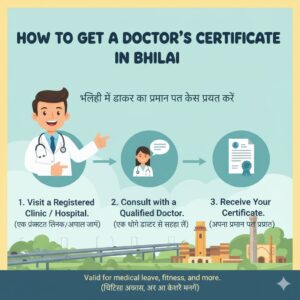
Immediate Medical Attention: First and foremost, seek immediate medical care after sustaining a suspected fracture. Visit an emergency room, urgent care center, or your primary care physician depending on the severity of the injury. The treating physician will perform a physical examination and order X-rays or other imaging studies to confirm the fracture.
Request the Certificate: During your visit or before leaving the medical facility, specifically request a medical certificate. Don’t assume it will be automatically provided. Be clear about what you need the certificate for, whether it’s for work, insurance, school, or other purposes, as this may influence what information the doctor includes.
Provide Necessary Information: Give the healthcare provider complete information about your work duties, physical requirements of your job, or other activities that may be affected by your injury. This helps them provide accurate and relevant recommendations in the certificate.
Clarify Requirements: If your employer, insurance company, or institution has specific forms or requirements for medical certificates, bring these documents to your appointment. Some organizations have standardized forms that need to be completed by the physician.
Allow Processing Time: While some facilities can provide medical certificates immediately, others may require a day or two to prepare the documentation, especially if detailed reports are needed. Plan accordingly if you have urgent deadlines.
Request Multiple Copies: Ask for several certified copies of your medical certificate. You may need to submit copies to your employer, insurance company, and other parties. Having extras prevents delays if additional documentation is needed.
Follow-up Certificates: Fracture healing doesn’t always follow the predicted timeline. If your recovery takes longer than initially expected, schedule a follow-up appointment to obtain an updated or extended medical certificate.
Types of Fractures and Recovery Timelines
Understanding your specific type of fracture helps set realistic expectations for recovery time, which will be reflected in your medical certificate:
Simple or Closed Fractures: These are clean breaks where the bone doesn’t puncture the skin. Recovery typically takes 6-8 weeks for adults, though this varies by location and severity. A closed fracture of a finger might heal in 3-4 weeks, while a closed femur fracture could take 4-6 months.
Compound or Open Fractures: These serious injuries involve the bone breaking through the skin, carrying a higher risk of infection and complications. Recovery can extend to 3-6 months or longer, often requiring surgery and extensive rehabilitation.
Stress Fractures: These tiny cracks in bones, common in athletes, may heal in 6-8 weeks with proper rest. However, returning to full activity often requires additional time to prevent re-injury.
Comminuted Fractures: When bones shatter into multiple pieces, recovery is more complex and prolonged, potentially taking 3-6 months or more. These often require surgical intervention.
Greenstick Fractures: Common in children due to their more flexible bones, these partial fractures typically heal faster than complete breaks, often within 4-6 weeks.
Your medical certificate will reflect the expected recovery timeline for your specific type of fracture, though these are estimates that may be adjusted based on your individual healing progress.
Returning to Work with a Fracture
One of the primary purposes of a medical certificate is to guide your return to work. This process varies significantly based on several factors:
Nature of Your Job: Desk jobs with minimal physical demands may allow for an earlier return with accommodations, while physically demanding occupations like construction, nursing, or warehouse work may require complete healing before returning to full duties.
Modified or Light Duty: Many employers can offer modified work arrangements. Your medical certificate might specify that you can perform sedentary tasks, work reduced hours, or avoid specific activities like lifting, climbing, or repetitive motions.
Graduated Return: For some fractures, a phased return to work is recommended. You might start part-time and gradually increase hours as healing progresses. Your medical certificate should outline this plan if applicable.
Workplace Accommodations: Your certificate may recommend specific accommodations such as ergonomic equipment, assistive devices, additional breaks, or remote work options during your recovery.
Communication with Your Employer: Present your medical certificate to your employer as soon as possible and maintain open communication about your recovery progress. Many jurisdictions have laws protecting employees recovering from medical conditions, but proper documentation is essential to access these protections.
Medical Certificates for Workers’ Compensation Claims
If your fracture occurred at work or during work-related activities, the medical certificate takes on additional significance:
Immediate Reporting: Report your workplace injury to your employer immediately and ensure you receive treatment from an authorized healthcare provider under your state’s workers’ compensation system.
Specific Documentation: Workers’ compensation claims require detailed medical documentation linking your fracture directly to your workplace duties or a work-related incident. Your medical certificate must clearly establish this connection.
Work Restrictions: The certificate should explicitly state your work restrictions and capabilities. Workers’ compensation systems often use these restrictions to determine appropriate modified duty assignments or compensation for lost wages.
Independent Medical Examinations: Your employer’s insurance carrier may require you to undergo an independent medical examination. Bring all your medical certificates and treatment records to these appointments.
Ongoing Certification: Workers’ compensation cases often require periodic medical updates. Expect to obtain updated certificates throughout your recovery process.
Common Mistakes to Avoid
When dealing with medical certificates for fractures, avoid these common pitfalls:
Delaying Medical Treatment: Seeking treatment days after an injury can complicate both your recovery and documentation. Immediate medical attention strengthens your case and ensures proper healing.
Not Requesting the Certificate: Don’t leave the medical facility without requesting your certificate if you need one. Going back later may be inconvenient and could delay your claim or employer notification.
Incomplete Information: Ensure your certificate includes all necessary details. Vague statements like “patient injured hand” are insufficient compared to “displaced fracture of the third metacarpal requiring closed reduction and casting.”
Ignoring Follow-up Appointments: Missing scheduled follow-ups can complicate your recovery and may raise questions about the legitimacy of your medical leave.
Returning to Work Too Early: Disregarding your doctor’s recommendations and returning to work prematurely can worsen your injury, delay healing, and potentially invalidate your medical leave or insurance claims.
Losing Documentation: Keep multiple copies of all medical certificates and related documentation in a safe place. You may need them for various purposes over several months.
Digital vs. Physical Medical Certificates
Modern healthcare increasingly offers digital options for medical certificates:
Electronic Medical Certificates: Many healthcare systems now provide electronic certificates through patient portals. These can be downloaded, printed, or sent directly to employers or insurance companies. They’re typically secure, tamper-proof, and easy to store and access.
Physical Certificates: Traditional paper certificates remain valid and are sometimes preferred by certain organizations. Ensure these include all necessary security features like official letterhead, stamps, and signatures.
Hybrid Approach: Consider obtaining both formats when possible. Digital versions offer convenience and backup, while physical copies may be required for certain official purposes.
Frequently Asked Questions
Can I get a medical certificate retroactively? Generally, medical certificates should be obtained at the time of your medical visit. However, if you forgot to request one, contact your healthcare provider’s office. They may issue a certificate based on your medical records, though some employers or organizations may question certificates issued well after the date of injury.
How much does a medical certificate cost? Costs vary widely. In many cases, the certificate is included in your consultation fee. However, some providers charge separately for administrative paperwork, with fees ranging from $20 to $100 or more. Check with your provider’s office about their policy.
What if my employer doesn’t accept my medical certificate? If your employer questions the validity of your certificate, ensure it includes all required information and comes from a licensed healthcare provider. If disputes continue, you may need to consult with human resources, your union representative, or seek legal advice regarding your rights.
Do I need a new certificate for each week off work? This depends on your employer’s policy and the duration specified on your original certificate. Many certificates cover a specific period, such as 2-6 weeks. If your recovery extends beyond this timeframe, you’ll need an updated certificate following a follow-up medical appointment.

Conclusion
A medical certificate for a broken bone or fracture is far more than a simple piece of paper. It’s a crucial document that protects your rights, ensures you receive appropriate time to heal, facilitates insurance claims, and maintains clear communication between you, your healthcare providers, and your employer or school.
The key to successfully navigating this process is proactive communication, timely medical care, and thorough documentation. Always request your medical certificate during your initial treatment, ensure it contains all necessary information, and maintain copies for your records. Don’t hesitate to follow up with your healthcare provider if you need clarifications, extensions, or additional documentation.
Remember that proper healing takes time, and rushing your recovery can lead to complications, chronic pain, or permanent disability. Trust your healthcare provider’s recommendations, follow the restrictions outlined in your medical certificate, and prioritize your long-term health over short-term convenience.
Whether you’ve fractured a finger or suffered a complex break requiring surgery, having proper medical documentation ensures that your recovery period is recognized, respected, and supported by all relevant parties. Take the time to understand your medical certificate, communicate its contents appropriately, and use it as the valuable tool it’s meant to be in your healing journey.
If you have any concerns about your fracture, recovery timeline, or medical certificate, don’t hesitate to discuss them with your healthcare provider. They’re your best resource for personalized advice and can adjust your documentation as your healing progresses. With proper care, documentation, and patience, most fractures heal completely, allowing you to return to your normal activities without lasting complications.