Medical Certificate for Malaria: A Patient’s Guide
Medical Certificate
Malaria remains one of the world’s most significant infectious diseases, affecting millions of people annually, particularly in tropical and subtropical regions. If you’ve been diagnosed with malaria or suspect you might have it, understanding the medical certification process is crucial for your recovery, workplace obligations, and travel documentation. This comprehensive guide will walk you through everything you need to know about obtaining and using a medical certificate for malaria.
Understanding Malaria and Why Medical Certification Matters
Malaria is a life-threatening disease caused by Plasmodium parasites transmitted through the bites of infected Anopheles mosquitoes. The illness typically presents with high fever, chills, sweating, headache, body aches, nausea, and fatigue. Without proper treatment, malaria can progress to severe complications affecting the brain, kidneys, and other vital organs.
A medical certificate serves as official documentation that verifies your malaria diagnosis, outlines your treatment plan, and justifies your absence from work, school, or other obligations. This document becomes especially important given that malaria requires a recovery period that can range from several days to weeks, depending on the severity of the infection and the type of Plasmodium species involved.
When Do You Need a Medical Certificate for Malaria?
Several situations may require you to obtain a medical certificate for malaria:
Workplace Requirements: Most employers require medical documentation for extended sick leave. Since malaria treatment typically requires at least three to seven days of rest, and potentially longer for severe cases, you’ll likely need official documentation to justify your absence and ensure you continue receiving sick pay benefits where applicable.
School or University Absences: Educational institutions often require medical certificates for prolonged absences to excuse missed classes, examinations, or coursework deadlines. Malaria’s debilitating symptoms make attending classes or taking exams impossible during the acute phase of illness.
Insurance Claims: Health insurance providers and travel insurance companies frequently require medical certificates to process claims related to malaria treatment, hospitalization, or trip cancellations due to illness.
Travel Documentation: If you contract malaria while traveling, you may need a medical certificate to change flight bookings, extend visas, or provide evidence to immigration authorities explaining delays in your travel plans.
Return-to-Work Clearance: In some cases, employers require medical clearance before you can return to work after a serious illness like malaria, ensuring you’re fully recovered and no longer at risk of complications.
What Information Should a Malaria Medical Certificate Include?
A properly formatted medical certificate for malaria should contain specific information to be considered valid and complete:
Patient Identification: Your full name, date of birth, and sometimes your address or identification number ensure the certificate is specifically about you and cannot be misused.
Healthcare Provider Details: The doctor’s name, medical registration number, contact information, and official stamp or letterhead establish the certificate’s authenticity and allow verification if necessary.
Date of Consultation: The specific date when you were examined helps establish a timeline for your illness and recovery.
Diagnosis: A clear statement confirming the malaria diagnosis, ideally including the Plasmodium species if identified (P. falciparum, P. vivax, P. ovale, P. malariae, or P. knowlesi), as this affects treatment duration and prognosis.
Diagnostic Methods: Mention of diagnostic tests performed, such as blood smear microscopy, rapid diagnostic tests (RDTs), or PCR testing, adds credibility to the diagnosis.
Symptoms Presented: A brief description of your symptoms at the time of diagnosis helps explain the severity of your condition.
Treatment Prescribed: Information about the antimalarial medications prescribed and the treatment duration demonstrates active medical management of your condition.
Recommended Rest Period: Specific dates indicating when you should refrain from work or normal activities, which is crucial for employer or school documentation.
Follow-up Requirements: Any mention of required follow-up appointments or ongoing monitoring needs.
Return-to-Work or Activity Clearance: Some certificates include recommendations about when you can safely resume normal activities or may indicate that a follow-up visit is needed before clearance can be given.
How to Obtain a Medical Certificate for Malaria
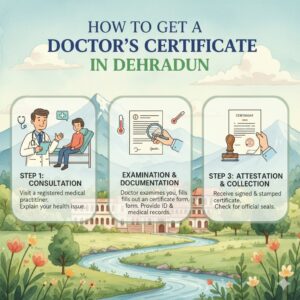
The process of obtaining a medical certificate for malaria follows these general steps:
Seek Medical Attention Promptly: If you suspect malaria, visit a healthcare facility immediately. Early diagnosis and treatment are critical for preventing complications. Bring your identification documents and any relevant medical history.
Undergo Diagnostic Testing: Your healthcare provider will order appropriate tests to confirm malaria. This typically involves blood tests such as microscopic examination of blood smears or rapid diagnostic tests that detect malaria antigens. Be prepared for the possibility of multiple blood tests, as parasites may not always be immediately detectable.
Discuss Your Documentation Needs: Inform your doctor that you require a medical certificate. Explain the specific purpose (work, school, insurance, travel) as this may influence what information the doctor includes in the certificate.
Complete the Consultation: Allow the doctor to conduct a thorough examination and discuss your treatment plan. Ask questions about expected recovery time, warning signs of complications, and follow-up requirements.
Request the Certificate: Most doctors will provide a medical certificate at the end of your consultation, either immediately or within a short timeframe. Some clinics may charge a small fee for issuing medical certificates beyond the consultation fee.
Review the Certificate: Before leaving the healthcare facility, check that the certificate includes all necessary information and that dates, names, and diagnosis details are correct. Errors can cause problems with employers or insurance companies.
Keep Copies: Make several copies of your medical certificate for your records. You may need to submit copies to multiple parties while keeping an original for yourself.
Special Considerations for Different Malaria Types
The type of Plasmodium parasite causing your malaria infection can affect the content and recommendations in your medical certificate:
Plasmodium falciparum: This is the most dangerous malaria species and can cause severe complications rapidly. Medical certificates for P. falciparum often recommend longer rest periods and may include stronger language about the seriousness of the condition. Hospitalization is frequently required for this type.
Plasmodium vivax and P. ovale: These species can remain dormant in the liver and cause relapses months or even years after initial infection. Your medical certificate might mention the need for extended treatment with drugs like primaquine to prevent relapses, requiring a longer overall treatment period.
Plasmodium malariae: While generally causing milder symptoms, P. malariae can persist in the blood for years if not properly treated. Documentation may emphasize the importance of completing the full treatment course.
Plasmodium knowlesi: This emerging species can multiply rapidly and cause severe disease. Medical certificates may reflect the potential seriousness and need for close monitoring.
Using Your Medical Certificate Effectively
Once you have your malaria medical certificate, understanding how to use it properly ensures you receive the benefits and considerations you’re entitled to:
Submit Promptly: Provide your medical certificate to your employer, school, or insurance company as soon as possible. Many organizations have specific timeframes within which medical documentation must be submitted.
Follow Submission Procedures: Each organization may have specific procedures for submitting medical certificates. Some accept email or digital submissions, while others require original documents. Confirm the preferred method with your human resources department or school administration.
Maintain Confidentiality: While you must provide medical certificates to authorized parties, you’re generally not obligated to share detailed medical information with everyone. Your certificate should go to HR, a school registrar, or insurance claims department rather than being widely circulated.
Keep Communication Open: Stay in touch with your employer or school about your recovery progress, especially if your return date changes or complications arise requiring extended absence.
Request Additional Documentation if Needed: If your recovery takes longer than initially anticipated, contact your doctor for an updated medical certificate extending your leave period.
Insurance and Financial Aspects
Medical certificates for malaria play a crucial role in financial matters related to your illness:
Health Insurance Claims: Most health insurance policies cover malaria treatment, but claims typically require medical certificates confirming the diagnosis. Ensure your certificate clearly states the diagnosis and treatment provided to avoid claim denials.
Travel Insurance: If you contracted malaria while traveling, travel insurance may cover medical expenses, trip cancellations, or modifications. Your medical certificate serves as primary evidence for these claims. Some travel insurers require certificates to be issued within specific timeframes or to include particular information.
Sick Leave Benefits: In jurisdictions with mandated sick leave or where your employment contract provides sick pay, medical certificates justify your absence and protect your income during recovery. Without proper documentation, you might forfeit these benefits.
Disability Claims: Severe malaria that results in complications or extended recovery periods might qualify for short-term disability benefits in some employment situations. Comprehensive medical certificates documenting the severity and impact of your condition are essential for such claims.
Traveling After Malaria: Documentation Needs
If you contracted malaria while traveling or need to travel during or after treatment, additional documentation considerations arise:
Fit-to-Fly Certificates: Airlines may require medical clearance if you’re traveling shortly after a malaria diagnosis, particularly if you were hospitalized. A fit-to-fly certificate from your doctor confirms you’re well enough to travel safely.
Border Crossing Documentation: Some countries require health declarations or may question travelers coming from malaria-endemic areas. Having medical documentation showing you’ve been treated can help facilitate smooth border crossings.
Future Travel Precautions: Your medical records, including your malaria certificate, inform future healthcare providers about your malaria history, which is relevant for prescribing preventive medications for future trips to malaria-endemic areas.
Common Issues and How to Address Them
Several problems can arise with medical certificates for malaria, but most are easily resolved:
Incomplete Information: If your certificate lacks required information, contact the issuing doctor’s office and request an amended certificate with the missing details.
Illegible Handwriting: Request a typed certificate or ask the doctor to print clearly. Many healthcare facilities now use electronic systems that produce printed certificates.
Lost or Damaged Certificates: If you lose your original certificate, contact the healthcare facility that issued it. Most can provide a duplicate for a small fee, though processing may take a few days.
Employer Disputes: If your employer questions the validity of your certificate, provide them with the healthcare facility’s contact information for verification. Legitimate medical certificates can always be verified through official channels.
Insurance Claim Denials: If an insurance claim is denied due to issues with your medical certificate, review the denial reason carefully. You may need to obtain additional documentation or clarification from your doctor addressing the insurer’s specific concerns.
Recovery and Return to Normal Activities
Your medical certificate guides your return to normal life after malaria:
Gradual Return: Even after the recommended rest period ends, you may still feel weakness and fatigue. Discuss with your doctor whether a phased return to work or school might be appropriate, which can be documented in a follow-up certificate.
Follow-up Care: Attend all recommended follow-up appointments. Some employers or schools may require a final medical clearance certificate before you can fully resume activities.
Monitoring for Complications: Certain malaria types can cause relapses or complications weeks after initial treatment. If symptoms return, seek medical attention immediately and obtain updated documentation.
Building Immunity: If you live in or frequently visit malaria-endemic areas, discuss with your doctor how your previous infection affects your susceptibility to future infections and what preventive measures you should continue.
Conclusion
A medical certificate for malaria is more than just paperwork; it’s a crucial document that protects your health, employment, academic standing, and financial interests during a serious illness. By understanding what should be included in your certificate, how to obtain it, and how to use it effectively, you can navigate the recovery process with less stress and ensure you receive appropriate time to heal without jeopardizing your professional or educational commitments.
Remember that malaria is a serious disease requiring prompt medical attention, complete treatment, and adequate rest for full recovery. Your medical certificate facilitates this recovery process by providing official documentation that justifies and protects your need for time away from normal activities. Never hesitate to advocate for yourself by requesting proper documentation and ensuring all parties involved in your care, employment, or education understand the seriousness of malaria and the importance of allowing adequate recovery time.
If you’re traveling to malaria-endemic regions, take preventive measures seriously, including antimalarial medications, mosquito nets, insect repellent, and protective clothing. Prevention is always preferable to treatment, but if you do contract malaria, proper documentation through medical certificates ensures your rights and benefits are protected throughout the diagnosis, treatment, and recovery process.