
Medical Certificate for High Fever: Everything You Need to Know
Medical Certificate
When illness strikes and fever takes hold, navigating the bureaucratic requirements of work, school, or other obligations can feel overwhelming. A medical certificate for high fever serves as official documentation that validates your inability to fulfill normal responsibilities due to illness. Whether you’re an employee needing to justify sick leave, a student missing exams, or a parent seeking documentation for your child’s absence, understanding the ins and outs of medical certificates for fever can save you time, stress, and potential complications.
This comprehensive guide walks you through everything you need to know about obtaining, understanding, and using medical certificates for high fever situations.
Understanding High Fever: When Does Temperature Become a Concern?
Before diving into the documentation process, it’s important to understand what constitutes a high fever and when medical attention becomes necessary.
A normal body temperature typically ranges between 97°F and 99°F (36.1°C to 37.2°C). Medical professionals generally consider a fever to be present when body temperature reaches 100.4°F (38°C) or higher. However, the classification of “high fever” varies somewhat depending on age and individual circumstances.
For adults, a temperature above 103°F (39.4°C) is typically considered high and warrants medical attention, particularly if accompanied by other symptoms such as severe headache, confusion, difficulty breathing, chest pain, persistent vomiting, or a rash. For children, the thresholds differ slightly, and infants under three months with any fever above 100.4°F should be evaluated by a healthcare provider immediately.
High fever doesn’t just cause discomfort—it’s often a sign that your body is fighting an infection or dealing with another medical condition. Common causes include viral infections like influenza, bacterial infections such as strep throat or urinary tract infections, COVID-19, and various other illnesses. The fever itself, combined with associated symptoms like fatigue, body aches, chills, and weakness, can make it impossible to perform normal work or academic duties safely and effectively.
What is a Medical Certificate for High Fever?
A medical certificate, sometimes called a doctor’s note, sick note, or medical excuse, is an official document issued by a licensed healthcare provider that confirms a patient has been examined and is experiencing a medical condition that prevents them from fulfilling their normal obligations. In the case of high fever, this certificate serves as proof that you were genuinely ill and unable to work, attend school, or participate in other scheduled activities.
Medical certificates typically include several key pieces of information. The document will identify the healthcare provider who examined you, including their name, credentials, and contact information. It will state the date(s) of your illness and the period during which you are unable to fulfill your responsibilities. While it may not always specify the exact diagnosis due to privacy considerations, it will generally indicate that you were examined and found to have a legitimate medical reason for absence. The certificate will also include any recommendations for rest or restrictions on activities, and it will bear the provider’s signature and official stamp or letterhead to verify authenticity.
The level of detail included in a medical certificate can vary based on the requirements of your employer, school, or the specific situation. Some organizations accept general statements confirming illness, while others may require more specific information about the nature and expected duration of your condition.
When Do You Need a Medical Certificate for Fever?
The circumstances requiring a medical certificate for high fever vary considerably depending on your situation, location, and the policies of your workplace or educational institution.
Most employers have specific sick leave policies that outline when a medical certificate becomes necessary. Many companies require documentation only after a certain number of consecutive sick days, commonly after three days of absence. However, some workplaces, particularly those in healthcare, food service, or childcare, may require certification even for a single day’s absence to protect public health and safety. Certain industries with strict safety requirements might mandate medical clearance before allowing employees to return to work, especially if the job involves operating machinery, driving, or other tasks where impairment could pose risks.
Educational institutions also have varying requirements. Schools and universities typically request medical certificates for extended absences or when students miss important examinations or assessments. If you’re a student seeking to defer an exam or assignment deadline due to illness, a medical certificate is almost always required to support your request. For younger students, schools may require documentation after several consecutive days of absence to ensure the child isn’t experiencing a serious health issue and to distinguish genuine illness from truancy.
Beyond employment and education, medical certificates may be needed for insurance claims related to trip cancellations, to support legal proceedings where your health status is relevant, or to document illness for visa applications or travel-related purposes.
Even when not strictly required, obtaining a medical certificate during a high fever episode can be prudent. It creates a paper trail of your medical history, provides legal protection if your absence is later questioned, and ensures you have proper documentation should complications arise or if your illness proves more serious than initially thought.
How to Obtain a Medical Certificate for High Fever
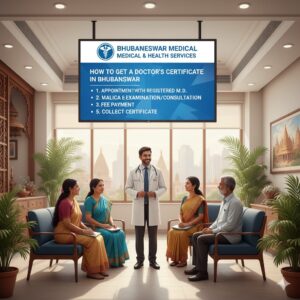
Securing a medical certificate for high fever involves several steps, beginning with seeking appropriate medical care.
When you’re experiencing a high fever, your first priority should be getting proper medical evaluation and treatment. You have several options for where to seek this care. Your primary care physician is often the best choice, as they have your complete medical history and can provide continuity of care. However, if you can’t get a same-day appointment and your fever is high or accompanied by concerning symptoms, urgent care centers offer walk-in services without requiring appointments and can issue medical certificates on the spot. For severe symptoms like difficulty breathing, chest pain, severe dehydration, or extremely high fever (above 105°F), the emergency room is appropriate, though it should be reserved for genuinely urgent situations.
Telemedicine has become increasingly accepted for obtaining medical certificates, particularly for straightforward cases like fever. Many healthcare providers now offer virtual consultations where you can describe your symptoms, possibly show the thermometer reading via video, and receive a medical certificate electronically. This option is convenient, reduces exposure risks for both you and others, and is often more affordable than in-person visits. However, some employers or institutions may have policies about accepting telemedicine-based certificates, so it’s worth checking beforehand.
During your medical consultation, whether in person or virtual, be prepared to provide detailed information. Describe when your fever started, how high it has reached, what other symptoms you’re experiencing, what medications you’ve taken, and any relevant medical history. Take your temperature before the appointment and record the reading. If possible, bring your thermometer to show the healthcare provider your fever in real time.
After examining you and confirming your fever, the healthcare provider will typically issue a medical certificate on the spot or send it to you electronically within 24 hours. Many modern healthcare systems now provide these documents through patient portals, making them easy to download and submit digitally.
What Should Be Included in Your Medical Certificate?
A proper medical certificate for high fever should contain specific elements to be considered valid and acceptable by employers, schools, or other institutions.
At minimum, the certificate should clearly identify the issuing healthcare provider with their full name, medical credentials (MD, DO, NP, PA, etc.), and license number. The document should be on official letterhead or include the clinic or hospital’s logo and contact information to verify authenticity. The date of the medical examination must be clearly stated, as must the patient’s name and date of birth to confirm the certificate belongs to the right person.
The body of the certificate should include a statement confirming that the patient was examined and found to have a medical condition warranting absence from work or school. While specific diagnostic details aren’t always necessary or appropriate due to privacy laws, the document should indicate the general nature of the illness (for instance, “acute febrile illness” or “viral syndrome with fever”). The certificate must specify the dates during which you are unable to fulfill your normal responsibilities, including both the start date and expected return date, or indicate if the duration is to be determined pending further evaluation.
Any work restrictions or recommendations should be clearly outlined. For instance, the certificate might state that you should avoid strenuous activity, maintain isolation to prevent disease transmission, or require reevaluation before returning to work. Finally, the healthcare provider’s signature and the date of signing are essential, and many certificates also include an official stamp or seal to prevent forgery.
The language used in medical certificates tends to be professional and somewhat formal. Rather than simply stating “patient has a fever,” a certificate might read, “Patient was evaluated on [date] and found to have an acute febrile illness with temperature documented at 102.5°F. Patient is advised to rest and refrain from work duties from [start date] through [end date].”
Legal and Privacy Considerations
Medical certificates exist at the intersection of healthcare and employment law, and several important legal and privacy considerations come into play.
In the United States, the Health Insurance Portability and Accountability Act (HIPAA) protects the privacy of your medical information. Your healthcare provider cannot share details of your medical condition with your employer without your explicit consent. This is why medical certificates typically provide only the information necessary to justify your absence without revealing extensive diagnostic details. You have the right to control how much medical information is shared, and providers are required to limit what they disclose to the minimum necessary.
However, when you submit a medical certificate to your employer or school, you are voluntarily providing them with the information contained in that document. Once submitted, that information may be stored in your employee file or student records according to the organization’s retention policies.
Under the Americans with Disabilities Act (ADA) and the Family and Medical Leave Act (FMLA), certain protections exist for employees dealing with serious health conditions. If your fever is part of a more significant ongoing medical issue, these laws may provide additional job protections and leave entitlements. Employers are generally required to maintain the confidentiality of medical information and store such documents separately from regular personnel files.
Different countries and jurisdictions have varying laws regarding sick leave and medical certification requirements. In some countries, employers cannot require a medical certificate for short-term illnesses, while others have no such restrictions. Understanding your rights and your employer’s obligations under local law can help you navigate these situations more effectively.
If your employer or school questions the validity of your medical certificate or requests additional information beyond what’s provided, you’re not automatically obligated to comply. You may choose to have your healthcare provider speak directly with them (with your consent), but you can also decline to provide additional medical details beyond what’s legally required or standard practice.
Common Challenges and How to Address Them
Despite the straightforward nature of medical certificates, several challenges can arise during the process.
One common issue is employer skepticism or requests for excessive detail. Some employers may question the authenticity of medical certificates or demand more information than necessary about your condition. If you encounter this, politely reference your privacy rights and offer to have your healthcare provider confirm the certificate’s validity directly if needed. You can also consult your HR department about the company’s actual policies, as individual managers sometimes impose requirements that exceed official policy.
Timing can also present challenges. If you become ill during non-business hours or on weekends when your regular doctor isn’t available, you may struggle to obtain a certificate immediately. In these situations, urgent care centers and telemedicine services can be valuable alternatives. Some employers accept certificates issued within a reasonable timeframe after your absence, so seeking care on the first available day may still satisfy the requirement.
Cost concerns affect many people, particularly those without health insurance or with high deductibles. A doctor’s visit solely to obtain a certificate can feel like an expensive formality. Some healthcare providers offer reduced rates for simple sick visits, and community health centers typically provide affordable options. Telemedicine visits are often less expensive than in-person consultations and may be adequate for straightforward fever documentation.
Language barriers can complicate matters for non-native speakers. If you’re more comfortable in a language other than English, seek healthcare providers who offer interpretation services or bring a trusted interpreter to your appointment. Many telemedicine platforms now offer multilingual support.
In some cases, healthcare providers may be reluctant to issue certificates for conditions they consider minor or when you’re already feeling better by the time of your appointment. If you experienced a high fever that has since resolved, bringing documentation like photos of your thermometer reading or a symptom diary can help demonstrate that you were genuinely ill during the period in question.
Rejections can occur if the medical certificate doesn’t meet your employer’s or school’s specific format requirements. Before seeking medical care, check whether your organization has a standard form that needs to be completed or specific information that must be included. Providing this information to your healthcare provider beforehand can prevent the need for revisions or second appointments.
Medical Certificates in the Age of COVID-19 and Beyond
The COVID-19 pandemic has significantly impacted how medical certificates are obtained and used, with many changes likely to persist long-term.
COVID-19 introduced new considerations for fever-related absences. Since fever is a primary symptom of coronavirus infection, many workplaces implemented stricter policies requiring anyone with fever to stay home and obtain both testing and medical clearance before returning. Some employers now require specific documentation confirming negative COVID-19 tests or completion of isolation protocols in addition to or instead of traditional medical certificates.
The pandemic accelerated the adoption of telemedicine, making virtual consultations for medical certificates much more widely accepted and accessible. Most employers and schools now accept certificates issued through telehealth platforms, a shift that has made the process more convenient and accessible for many people. This change has been particularly beneficial for those in rural areas with limited access to healthcare facilities, people with transportation challenges, or individuals who are too ill to travel but not ill enough to require emergency care.
Remote work arrangements have also changed the dynamics around medical certificates. Some employers have become more flexible about sick leave documentation for remote workers, recognizing that someone with a fever might still be able to perform some work tasks from home even if they couldn’t safely commute to an office or interact with colleagues in person. This has led to more nuanced conversations about what actually necessitates formal sick leave versus modified work arrangements.
Public health awareness has increased dramatically, and there’s now broader social acceptance of staying home when ill rather than “powering through” sickness at work. This cultural shift has made both employees and employers more understanding about fever-related absences and the importance of proper documentation and recovery time.
Looking forward, we’re likely to see continued integration of digital health tools, with some organizations accepting electronic health records or symptom tracking app data as supplementary documentation. The rise of workplace health screening programs may also reduce the need for external medical certificates in some cases, as on-site or app-based health checks could provide adequate documentation for certain illnesses.
Tips for a Smooth Process
To make obtaining and using a medical certificate for high fever as straightforward as possible, consider these practical tips.
Be proactive about understanding your employer’s or school’s sick leave policies before you actually need them. Know how many days you can be absent before requiring documentation, what specific information must be included in medical certificates, and whether there are preferred formats or forms to use. This knowledge allows you to act quickly when illness strikes rather than scrambling to understand requirements while you’re feeling terrible.
Seek medical attention promptly when you develop a high fever, both for your health and to ensure you have proper documentation from the time period when you were actually unable to work. Waiting several days and then trying to obtain a backdated certificate can raise questions and create complications.
Keep good records of your illness, including temperature readings with dates and times, symptoms you experienced, medications you took, and how the illness affected your ability to function. These notes can help your healthcare provider write a more accurate and detailed certificate and can serve as backup documentation if questions arise later.
Communicate clearly with your employer or school about your absence as soon as possible. Notify them that you’re ill with a high fever, that you’re seeking medical attention, and when they can expect to receive your medical certificate. This transparency builds trust and reduces concerns about the legitimacy of your absence.
When visiting your healthcare provider, explicitly mention that you need a medical certificate for work or school. Don’t assume they’ll automatically provide one—some providers only issue certificates when specifically requested. Clarify any particular requirements your employer has so the provider can ensure the certificate meets those needs.
Keep both physical and digital copies of all medical certificates you receive. Store them in a secure location as part of your personal health records. These documents may be useful for future reference, insurance purposes, or if you need to demonstrate a pattern of illness related to an ongoing health condition.
If you’re using telemedicine, ensure you have the technology and connectivity needed for a successful virtual appointment. Test your camera and microphone beforehand, find a quiet, private location for the consultation, and have your identification and insurance information ready.
Alternative Documentation and When It’s Acceptable
While a formal medical certificate from a doctor is the gold standard, some situations may accept alternative forms of documentation for fever-related absences.
Self-certification is allowed in some workplaces for short-term illnesses, particularly absences of one or two days. This typically involves completing a form or sending an email confirming that you were unable to work due to illness without requiring external medical verification. However, self-certification generally doesn’t cover high fever situations that last several days or require significant time off.
Some employers accept documentation from other healthcare providers besides physicians. Nurse practitioners, physician assistants, and registered nurses with the appropriate scope of practice can often issue valid medical certificates. In some jurisdictions, pharmacists who’ve provided consultation about your symptoms may also be able to provide limited documentation, though this is less common and usually not sufficient for extended absences.
Certain workplaces, particularly larger corporations with occupational health services, may have on-site medical staff who can evaluate employees and issue internal medical certificates without requiring a visit to an external provider. These certificates typically carry the same weight as those from outside physicians.
Documentation of COVID-19 testing, particularly official test results from healthcare providers or testing centers, may be accepted as supplementary or alternative documentation in some cases, especially if your employer’s primary concern is preventing workplace transmission rather than strictly documenting your inability to work.
However, there are important limitations to alternative documentation. Most formal settings like courts, immigration offices, or educational institutions with strict policies will typically require certificates from licensed physicians or equivalent providers. Extended absences, serious illnesses, or situations with legal or financial implications almost always necessitate traditional medical certificates. When in doubt, it’s better to obtain a proper medical certificate than to rely on alternative documentation that may later prove insufficient.
The Future of Medical Certification
The landscape of medical certification continues to evolve with technological advances and changing workplace norms.
Digital health passports and verification systems are emerging, potentially allowing for more seamless and secure transmission of medical information between healthcare providers, patients, and employers while maintaining privacy protections. Blockchain-based medical records could eventually make certificates more tamper-proof and instantly verifiable while giving patients greater control over their health information.
Artificial intelligence and symptom-checking apps are becoming more sophisticated, and while they can’t currently replace human medical judgment for issuing certificates, they may eventually play a role in preliminary evaluation and documentation for minor illnesses. Some companies are experimenting with AI-powered telemedicine platforms that can generate certificates for straightforward cases while flagging more complex situations for human review.
Wearable health technology that continuously monitors temperature and other vital signs could potentially provide objective documentation of fever episodes, creating automatic health records that might supplement or support medical certification in the future. While privacy concerns and the need for medical interpretation would need to be addressed, such technology could make the documentation process more seamless.
Changes in workplace culture, particularly the growing acceptance of remote work and flexible schedules, may reduce the need for formal medical certificates in some situations. If employees have greater autonomy to manage their schedules and can work from home when feeling moderately unwell, the strict binary of “able to work” versus “too sick to work” becomes less relevant.
Legislative changes around sick leave, particularly movements toward mandatory paid sick leave in various jurisdictions, often come with provisions about when medical certification can or cannot be required. These laws continue to evolve and may eventually establish more standardized practices across industries and regions.

Conclusion
Medical certificates for high fever serve an important function in our interconnected world of work, education, and social responsibility. They provide necessary documentation that protects both individuals who are genuinely ill and organizations that need to verify absences and maintain operations. Understanding when you need a medical certificate, how to obtain one, what it should contain, and your rights regarding medical privacy can help you navigate illness-related absences with confidence and minimal stress.
The process doesn’t need to be complicated. When you develop a high fever that prevents you from fulfilling your normal obligations, seek appropriate medical care from your primary physician, an urgent care center, or through telemedicine. Be clear with your healthcare provider that you need documentation for work or school, and ensure the certificate includes all necessary information while respecting your privacy rights. Communicate transparently with your employer or educational institution, submit your documentation promptly, and keep copies for your records.
As healthcare delivery and workplace norms continue to evolve, particularly in the post-pandemic era, the systems around medical certification will likely become more streamlined, digital, and patient-centered. Staying informed about your rights, your employer’s policies, and the options available to you will help ensure that when illness strikes, you can focus on recovery rather than paperwork.
Remember that medical certificates ultimately serve your interests as much as your employer’s. They document your health history, protect you from unfair treatment, and ensure you receive the time you need to recover properly. When you have a high fever, your body is telling you something important—listen to it, seek appropriate care, obtain proper documentation, and give yourself the time you need to heal fully before returning to your regular responsibilities. Your health, and the health of those around you, is worth the small effort required to do things properly.