Medical Certificate for High Fever: Everything You Need to Know
Medical Certificate
When illness strikes and you’re burning up with a high fever, the last thing on your mind is paperwork. However, if you need time off work or school, a medical certificate becomes essential documentation. Understanding what a medical certificate for high fever entails, when you need one, and how to obtain it can save you stress during an already uncomfortable time.

What Is a Medical Certificate for High Fever?
A medical certificate, sometimes called a doctor’s note or sick note, is an official document issued by a licensed healthcare provider that confirms your illness and inability to work or attend school. For high fever cases, this certificate verifies that you experienced an elevated body temperature requiring rest and recovery.
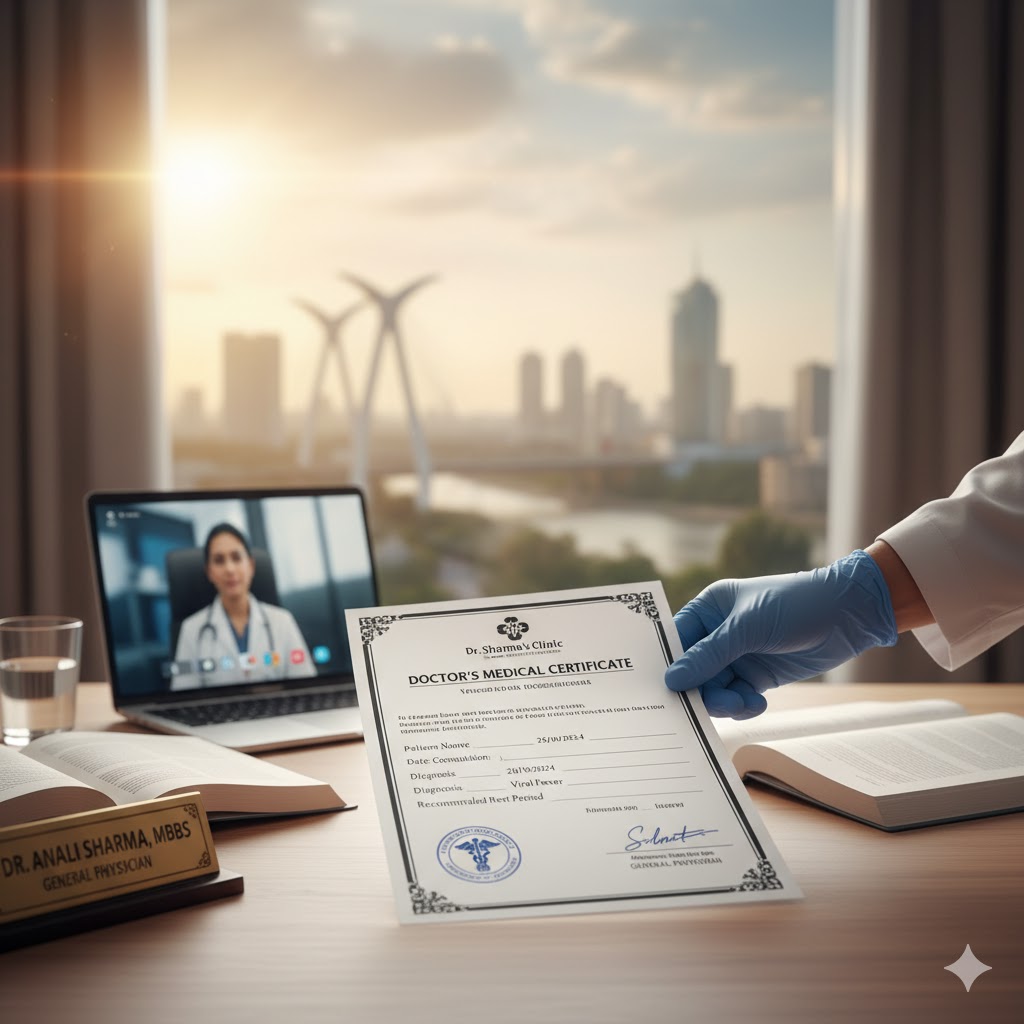
The certificate typically includes your name, the date of examination, the diagnosis or reason for absence, the recommended period of rest, and the healthcare provider’s signature and credentials. Think of it as your official permission slip from the medical world, backed by professional authority rather than just your word.
When Does a Fever Qualify as “High”?
Medical professionals generally consider a fever “high” when body temperature reaches 103°F (39.4°C) or above in adults. For children, the threshold may be slightly lower, with temperatures above 102°F (38.9°C) causing concern. However, even moderate fevers between 100.4°F and 103°F can warrant medical attention and certification, especially if accompanied by other symptoms.
The severity isn’t just about the number on the thermometer. Healthcare providers also consider how long the fever has persisted, whether it responds to medication, and what other symptoms accompany it. A fever that lasts more than three days, comes with severe headache or stiff neck, or causes confusion definitely requires medical evaluation.
Why You Might Need This Certificate
Employers and educational institutions often require medical certificates for several reasons. First, they need verification that your absence is legitimate and medically necessary. This protects both you and the organization from potential disputes about unauthorized absences.
Second, certain industries have strict health and safety protocols. If you work in food service, healthcare, childcare, or other fields involving vulnerable populations, your employer needs assurance that you’re no longer contagious before you return. A medical certificate provides that confirmation.
Third, many organizations have policies requiring documentation for absences exceeding a certain number of days, often two or three consecutive workdays. Some companies also require certification for absences immediately before or after weekends or holidays, though this practice varies by jurisdiction and company policy.
For students, schools may require certificates to excuse absences and allow makeup work for missed exams or assignments. Without proper documentation, absences might be marked as unexcused, potentially affecting academic standing.
What Information Should Be Included?
A comprehensive medical certificate for high fever should contain several key elements. The document must clearly identify the patient with your full legal name and date of birth. It should state the date you were examined by the healthcare provider, which establishes when the medical assessment occurred.
The certificate should indicate that you presented with high fever, though the exact temperature reading may or may not be included depending on privacy preferences and local regulations. Some certificates provide specific diagnoses like “viral syndrome with pyrexia” or “acute febrile illness,” while others simply note “medical illness” or “high fever.”
Critically, the certificate must specify the recommended period of absence from work or school. This might read “fit to return on [date]” or “advised to rest for five days from [date].” The healthcare provider’s signature, printed name, professional credentials, license number, and contact information complete the document, establishing its authenticity.
How to Obtain a Medical Certificate
Getting a medical certificate starts with seeking medical attention when you have a high fever. You can visit your primary care physician, walk into an urgent care clinic, or go to a hospital emergency department if your symptoms are severe. Telemedicine appointments have also become increasingly accepted for obtaining medical certificates, especially for straightforward cases.
During your appointment, be honest and thorough about your symptoms. Explain how long you’ve had the fever, what your temperature readings have been, what medications you’ve taken, and any other symptoms you’re experiencing. This information helps the provider make an accurate assessment and recommendation.
Don’t be shy about explicitly requesting a medical certificate if the provider doesn’t offer one automatically. Simply say something like “I’ll need a doctor’s note for my employer” or “Could you please provide a medical certificate for my absence from work?” Most healthcare providers are accustomed to these requests and have standard forms ready.
Be aware that there may be a fee for the certificate, separate from the consultation cost. Some healthcare systems include certificates in the consultation fee, while others charge additionally for administrative documentation. This varies by country, healthcare system, and provider.
What If You Can’t See a Doctor Immediately?
Sometimes high fever strikes at inconvenient times, like late evenings, weekends, or holidays when your regular doctor’s office is closed. In these situations, you have several options.
Urgent care centers and walk-in clinics operate extended hours specifically for these scenarios. They can assess your condition, provide treatment recommendations, and issue medical certificates. Emergency departments are available 24/7, though they should be reserved for truly urgent situations like extremely high fevers, severe symptoms, or cases where you feel seriously unwell.
Telemedicine services have revolutionized access to medical certificates. Many healthcare providers now offer video consultations where they can assess visible symptoms like flushed appearance, assess your verbal description of symptoms, and issue electronic certificates. While they can’t physically examine you or take your temperature directly, they can make clinical judgments based on your reported symptoms and appearance.
If you absolutely cannot access medical care when you first become ill, seek it as soon as possible and explain the situation to your healthcare provider. They may be able to backdate the certificate to cover your absence from when symptoms began, though policies on this vary.
Legal Considerations and Employee Rights
In many jurisdictions, employers cannot legally require a medical certificate for short absences, typically those lasting fewer than three consecutive days. However, company policies often exceed minimum legal requirements, so understanding your specific employment contract matters.
Some regions have laws protecting employees from being required to obtain certificates for minor illnesses, recognizing that this creates unnecessary burden on healthcare systems and costs for workers. If you’re in a jurisdiction with such protections, know your rights while also respecting any legitimate company policies.
Privacy laws like HIPAA in the United States protect detailed medical information. Your medical certificate doesn’t need to and shouldn’t include extensive details about your condition beyond what’s necessary to justify your absence. You’re entitled to medical privacy, and certificates should provide only essential information.
Red Flags and Certificate Fraud
Unfortunately, the ease of creating documents digitally has led some people to forge medical certificates. This is illegal and can result in termination of employment, academic expulsion, or even criminal charges. Healthcare fraud is taken seriously, and the consequences far outweigh any short-term benefit.
Employers and schools have become increasingly sophisticated at detecting fraudulent certificates. They may verify certificates by contacting the healthcare provider listed, checking license numbers against professional registries, or examining the document for telltale signs of forgery like inconsistent formatting, spelling errors, or suspicious-looking signatures.
If you’re tempted to fake a certificate because you cannot afford medical care or cannot access a provider, consider other options. Speak honestly with your employer or school about the situation. Many organizations have provisions for self-certification for short absences or can direct you to affordable or free healthcare resources.
Returning to Work After High Fever
Your medical certificate will specify when you’re cleared to return to work or school. It’s important to follow this guidance rather than returning early while still symptomatic or staying out longer than recommended without consulting your provider again.
Most infectious causes of high fever render people contagious for a specific period. Healthcare providers base their return-to-work recommendations on when you’re unlikely to spread illness to others, protecting your colleagues, customers, or classmates.
If your symptoms persist beyond the period covered by your initial certificate, contact your healthcare provider again. You may need a follow-up appointment and an extended certificate. Don’t assume you can simply extend your absence without additional medical documentation.
Special Considerations for Different Settings
Healthcare workers, food service employees, and those working with children or immunocompromised individuals face stricter requirements. Many facilities require not just a certificate confirming illness but also a separate fitness-to-work certificate before returning. This ensures you’re completely recovered and no longer pose an infection risk.
School settings may have specific forms that need to be completed rather than a generic medical certificate. Check with your school’s administration office about their exact requirements, as failing to provide the right documentation might result in absences remaining unexcused.
International workers or students should be aware that medical certificate requirements and formats vary significantly between countries. A certificate format acceptable in one country might not meet requirements in another. When traveling or working abroad, familiarize yourself with local expectations.
The Cost Factor
Medical certificates come with costs beyond the obvious consultation fee. In countries without universal healthcare, the medical visit itself can be expensive. Even in systems with public healthcare, there may be copays or charges specifically for administrative documents.
Some employers reimburse the cost of medical certificates, especially when they require them for company policy rather than legal necessity. Check your employee handbook or ask human resources whether this benefit exists. Similarly, some health insurance plans cover preventive care visits that might include certificate provision.
Weigh the cost against the potential consequences of not having proper documentation. An unexcused absence could result in lost wages, disciplinary action, or even termination, making the certificate a worthwhile investment in protecting your job.
Digital Certificates and Modern Solutions
The digital revolution has transformed medical certificates. Many healthcare providers now issue electronic certificates via email or patient portals, which employers and schools increasingly accept. These digital certificates offer advantages like instant delivery, easier verification, and secure storage.
Some countries and healthcare systems have implemented centralized digital certificate systems where employers can verify authenticity directly through a government or professional database. This reduces fraud while streamlining the process for everyone involved.
However, always confirm that your employer or school accepts electronic certificates before assuming a digital version will suffice. Some organizations still require original signed paper documents, particularly for official records.
Final Thoughts
A medical certificate for high fever is more than just bureaucratic paperwork—it’s documentation that protects your employment rights, justifies necessary rest, and confirms you’ve received appropriate medical care. Understanding when you need one, how to obtain it, and what it should contain ensures you’re prepared when illness strikes.
Remember that your health should always be the priority. Don’t delay seeking medical attention because you’re worried about the hassle or cost of obtaining a certificate. High fevers can indicate serious conditions that require prompt treatment. The certificate is simply a useful byproduct of getting the care you need.
By familiarizing yourself with your workplace or school’s policies in advance, knowing your legal rights, and understanding the medical certificate process, you can handle illness-related absences with confidence. When fever strikes, you’ll be ready to get proper care, proper documentation, and proper rest—everything you need for a full recovery.