A Parent’s Guide: Getting a Doctor’s Note for Your Child’s School Absence
Doctor’s Note
Doctor’s Note
As a parent, few things are more stressful than dealing with a sick child while simultaneously juggling work responsibilities and school requirements. When your child falls ill and needs to miss school, understanding how to properly obtain and submit a doctor’s note can save you significant headaches down the road. This comprehensive guide will walk you through everything you need to know about securing medical documentation for your child’s school absence.

Understanding When You Need a Doctor’s Note
Not every sniffle or stomach ache requires a trip to the doctor, but schools often have specific policies about when medical documentation is necessary. Generally, you’ll need a doctor’s note in the following situations:
Extended absences of three or more consecutive days typically require medical verification. Schools need assurance that lengthy absences are legitimate and not truancy-related. Even if your child starts feeling better by day three, having that documentation protects both you and your child’s academic record.
Chronic conditions such as asthma, diabetes, or migraines may require ongoing medical documentation. If your child has a recurring health issue that causes frequent absences, establishing a relationship with your school’s administration and providing comprehensive medical documentation upfront can streamline future absence reporting.
Contagious illnesses like strep throat, flu, or pink eye often require a doctor’s clearance before your child can return to school. This protects other students and staff from potential exposure and demonstrates responsible parenting.
School-specific policies vary significantly between districts and even individual schools. Some institutions require a doctor’s note for any absence exceeding two days, while others may have different thresholds. Always check your school’s student handbook or contact the main office to understand their specific requirements.
Preparing for Your Medical Visit
Before heading to your healthcare provider, gather essential information that will help streamline the appointment and ensure you receive proper documentation. Bring your child’s insurance card, a list of current symptoms with onset dates, any medications currently being taken, and your child’s temperature readings if applicable.
Consider calling ahead to explain that you need a doctor’s note for school purposes. Many practices can prepare the necessary documentation during your visit, but giving them advance notice helps ensure nothing is overlooked. Some medical offices have specific forms they prefer to use for school documentation, so asking about this beforehand can save time.
Don’t forget to bring a pen and paper to jot down any specific instructions the doctor provides about your child’s care, activity restrictions, or expected recovery timeline. This information often proves valuable for communicating with teachers about missed assignments or modified participation in school activities.
What Should Be Included in a Doctor’s Note
A proper medical note for school absence should contain several key elements to be considered valid and comprehensive. The healthcare provider’s letterhead or official stamp establishes legitimacy and makes the document easily verifiable by school administrators.
Patient identification including your child’s full name and date of birth ensures the note corresponds to the correct student. Date of medical evaluation shows when the assessment took place, which helps establish the timeline of illness.
Medical professional’s assessment should include a brief description of the condition or symptoms that warranted the absence. While specific diagnostic details aren’t always necessary, phrases like “acute viral illness” or “bacterial infection requiring antibiotic treatment” provide sufficient medical justification.
Duration of recommended absence helps schools understand the expected timeline for recovery. Some notes specify exact dates, while others use language like “should remain home until fever-free for 24 hours.
Activity restrictions or accommodations become particularly important if your child can return to school but needs modified participation in physical education, recess, or other activities. Clear communication about these limitations prevents misunderstandings and potential re-injury.
Healthcare provider’s signature and credentials validate the document’s authenticity. The signature should be accompanied by the provider’s printed name, title, and contact information for the medical practice.
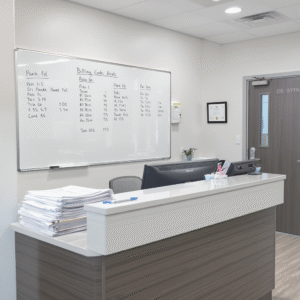
Navigating Different Types of Healthcare Providers
Various healthcare professionals can provide valid school excuse notes, but understanding the nuances of each can help you make informed decisions about seeking care.
Primary care physicians are typically the gold standard for school documentation. They have comprehensive knowledge of your child’s medical history and can provide detailed assessments of current conditions in context of overall health patterns.
Urgent care centers offer convenient access when your regular pediatrician isn’t available, especially during evenings, weekends, or holidays. While they may not know your child’s complete medical history, they can effectively diagnose and document acute conditions requiring school absence.
Emergency rooms should be reserved for serious medical situations, but they can provide necessary documentation when visits result from genuine emergencies. However, using emergency services for minor illnesses solely to obtain school notes is inappropriate and costly.
Specialists such as cardiologists, neurologists, or orthopedic doctors can provide notes related to their specific areas of expertise. If your child has an appointment with a specialist that requires missing school, these providers can certainly document the medical necessity of the absence.
Telemedicine appointments have become increasingly accepted for providing school documentation, especially for follow-up visits or minor conditions that don’t require physical examination. However, verify with your school that they accept notes from virtual consultations.
Timing Your Medical Visit Strategically
The timing of your medical appointment can significantly impact both your child’s recovery and your ability to obtain proper documentation. If possible, schedule appointments early in the day when your child’s symptoms may be most apparent and your healthcare provider’s schedule is typically less rushed.
For ongoing illnesses, don’t wait until your child has been absent for several days before seeking medical care. Early intervention often leads to faster recovery and provides timely documentation for school records. Additionally, some conditions require immediate medical attention to prevent complications or reduce contagion periods.
Consider your school’s policies regarding retroactive documentation. While most schools accept doctor’s notes obtained during the absence period, some have strict requirements about timing. Understanding these policies helps you plan medical visits appropriately.
Communicating with Your School
Effective communication with your child’s school creates a collaborative relationship that benefits everyone involved. Contact the school office as soon as possible when your child will be absent, even before obtaining medical documentation. Most schools have automated systems for reporting absences, but speaking directly with office staff helps ensure your message is received and understood.
When submitting your doctor’s note, consider delivering it in person rather than sending it with your child. This approach ensures the documentation reaches the appropriate personnel and provides an opportunity to discuss any special accommodations your child might need upon returning to school.
Keep copies of all medical documentation for your personal records. Schools can lose paperwork, and having backup copies protects your child’s attendance record. Store these documents in an organized system where you can easily access them if questions arise later in the school year.
Handling Chronic Conditions and Frequent Absences
Children with chronic health conditions face unique challenges in managing school attendance and documentation requirements. Establishing a comprehensive care plan with your school’s administration, nurse, and teachers creates a framework for handling recurring absences without repeated stress.
Work with your child’s healthcare team to develop a detailed management plan that outlines typical symptoms, expected absence patterns, and specific accommodations needed. Share this plan with relevant school personnel at the beginning of each school year to set proper expectations and procedures.
Consider requesting a Section 504 plan or Individual Education Plan (IEP) if your child’s chronic condition significantly impacts their educational experience. These formal plans provide legal protections and ensure consistent implementation of necessary accommodations across all teachers and school staff.
Digital Documentation and Modern Solutions
Technology has streamlined many aspects of medical documentation, making it easier for parents to obtain and submit necessary paperwork. Many healthcare providers now offer patient portals where you can access visit summaries, test results, and official documentation within hours of your appointment.
Some medical practices provide digital copies of doctor’s notes via email or secure messaging systems. These digital formats are often accepted by schools and can be submitted electronically, reducing the risk of lost paperwork and speeding up the documentation process.
Mobile health apps connected to your healthcare provider’s system may offer convenient ways to request documentation for recent visits or ongoing conditions. Explore these options with your medical provider to understand what digital services they offer for school-related documentation.
Cost Considerations and Insurance Coverage
Understanding the financial aspects of obtaining medical documentation helps you make informed decisions about healthcare utilization. Most insurance plans cover medically necessary visits, including those that result in school excuse notes when genuine illness is present.
However, some healthcare providers charge additional fees for completing school forms or providing written documentation beyond standard visit notes. Ask about these potential charges when scheduling appointments to avoid unexpected costs.
Consider the cost-effectiveness of different healthcare options when seeking documentation. While urgent care visits may have higher copays than primary care appointments, they might be more cost-effective than missing work to wait for your regular provider’s next available appointment.
Preparing for Return to School
Once your child is ready to return to school, proper preparation ensures a smooth transition back to academic routines. Review any activity restrictions with your child and communicate these limitations to relevant teachers, especially physical education instructors or coaches.
If your child missed significant instructional time, proactively contact teachers to understand makeup work requirements and deadlines. Many schools have policies about extended time for completing assignments after medical absences, but understanding these expectations upfront prevents academic stress.
Consider your child’s energy levels and recovery status when planning their return. Sometimes a gradual reentry with modified schedules helps children readjust to full academic demands without risking relapse or exhaustion.

Conclusion
Obtaining proper medical documentation for your child’s school absence doesn’t have to be a stressful experience. By understanding your school’s policies, maintaining good relationships with healthcare providers, and staying organized with documentation, you can navigate these situations smoothly and effectively.
Remember that the primary goal is your child’s health and well-being. While school attendance is important, ensuring proper medical care and recovery should always take precedence. With proper planning and communication, you can meet both your child’s health needs and school documentation requirements successfully.
The investment in understanding these processes pays dividends throughout your child’s educational journey. By establishing good practices early and maintaining organized records, you’ll be prepared to handle future medical absences with confidence and minimal stress for both you and your child.