Fit-to-Fly by air during pregnancy can be both an exciting and stressful experience. Whether you’re planning a babymoon, attending a family event, or traveling for work, it’s important to understand the fit-to-fly rules set by different airlines. These rules often require pregnant women to obtain a medical certificate from their healthcare provider, confirming that they are fit to fly. However, the specific requirements can vary widely between airlines, making it crucial to be informed before you book your flight. This blog will guide you through the fit-to-fly pregnancy rules for different airlines and what you need to know about obtaining a medical certificate.
Why Do Airlines Have Fit-to-Fly Rules for Pregnant Women?

Airlines implement fit-to-fly rules for pregnant women to ensure the safety of both the mother and the unborn child. The pressurized cabin environment, limited medical resources on board, and the potential for in-flight complications make it essential for airlines to assess the health risks associated with flying during pregnancy.
These rules are also in place to protect the airline from liability should a medical emergency arise during the flight. By requiring a medical certificate, airlines can ensure that a qualified healthcare provider has assessed the pregnancy and deemed it safe for travel.
General Guidelines for Flying While Pregnant
Before diving into the specific requirements of different airlines, it’s important to understand the general guidelines that most airlines follow:
1. First and Second Trimesters:
In general, most airlines allow pregnant women to fly without restrictions during the first and second trimesters (up to 28 weeks). However, it’s always recommended to consult with your healthcare provider before flying, especially if you have a high-risk pregnancy or other medical concerns.
2. Third Trimester:
The third trimester, particularly after 28 weeks, is when airlines typically start requiring a medical certificate. The risk of preterm labor increases as the pregnancy progresses, and airlines need to ensure that it is safe for you to travel.
3. Cut-Off Dates:
Many airlines have a cut-off date, usually around 36 weeks of pregnancy, after which they do not allow pregnant women to fly. This is due to the higher risk of labor during the last few weeks of pregnancy.
Fit-to-Fly Rules for Different Airlines
Let’s explore the fit-to-fly pregnancy rules for some of the major airlines, focusing on their requirements for medical certificates.
1. British Airways
- First and Second Trimesters: British Airways allows pregnant women to fly without restrictions up to the end of the 27th week.
- Third Trimester: After 28 weeks, British Airways requires a medical certificate stating that you are fit to fly. The certificate must include your due date and confirmation that there are no complications.
- Cut-Off: British Airways does not permit travel after the end of the 36th week for single pregnancies and the 32nd week for multiple pregnancies.
2. Emirates
- First and Second Trimesters: Pregnant women can travel without a medical certificate until the 28th week.
- Third Trimester: From 29 weeks onwards, Emirates requires a medical certificate, which should be issued by your doctor within 7 days of your departure. The certificate must state your due date, pregnancy status (single or multiple), and that you are fit to travel.
- Cut-Off: Travel is not permitted after the 36th week for single pregnancies and the 32nd week for multiple pregnancies.
3. Qatar Airways
- First and Second Trimesters: No restrictions or medical certificates are required until the 28th week.
- Third Trimester: Qatar Airways requires a medical certificate from your doctor after 29 weeks. The certificate must include the expected delivery date, a statement that the pregnancy is uncomplicated, and confirmation that you are fit to travel.
- Cut-Off: Qatar Airways does not allow pregnant women to travel after the 36th week for single pregnancies or the 32nd week for multiple pregnancies.
4. Ryanair
- First and Second Trimesters: Ryanair allows pregnant women to fly up to 28 weeks without a medical certificate.
- Third Trimester: From 28 weeks onwards, a “fit-to-fly” letter from your doctor is required. This letter should confirm your due date and that there are no complications preventing you from flying.
- Cut-Off: Ryanair does not permit travel after 36 weeks for single pregnancies and after 32 weeks for multiple pregnancies.
5. EasyJet
- First and Second Trimesters: No medical certificate is required for flying up to 27 weeks.
- Third Trimester: From 28 to 35 weeks, EasyJet requires a medical certificate confirming your fitness to fly, your due date, and that there are no complications.
- Cut-Off: Travel is not allowed after the 36th week for single pregnancies and after the 32nd week for multiple pregnancies.
6. American Airlines
- First and Second Trimesters: Pregnant women can fly without restrictions until 28 weeks.
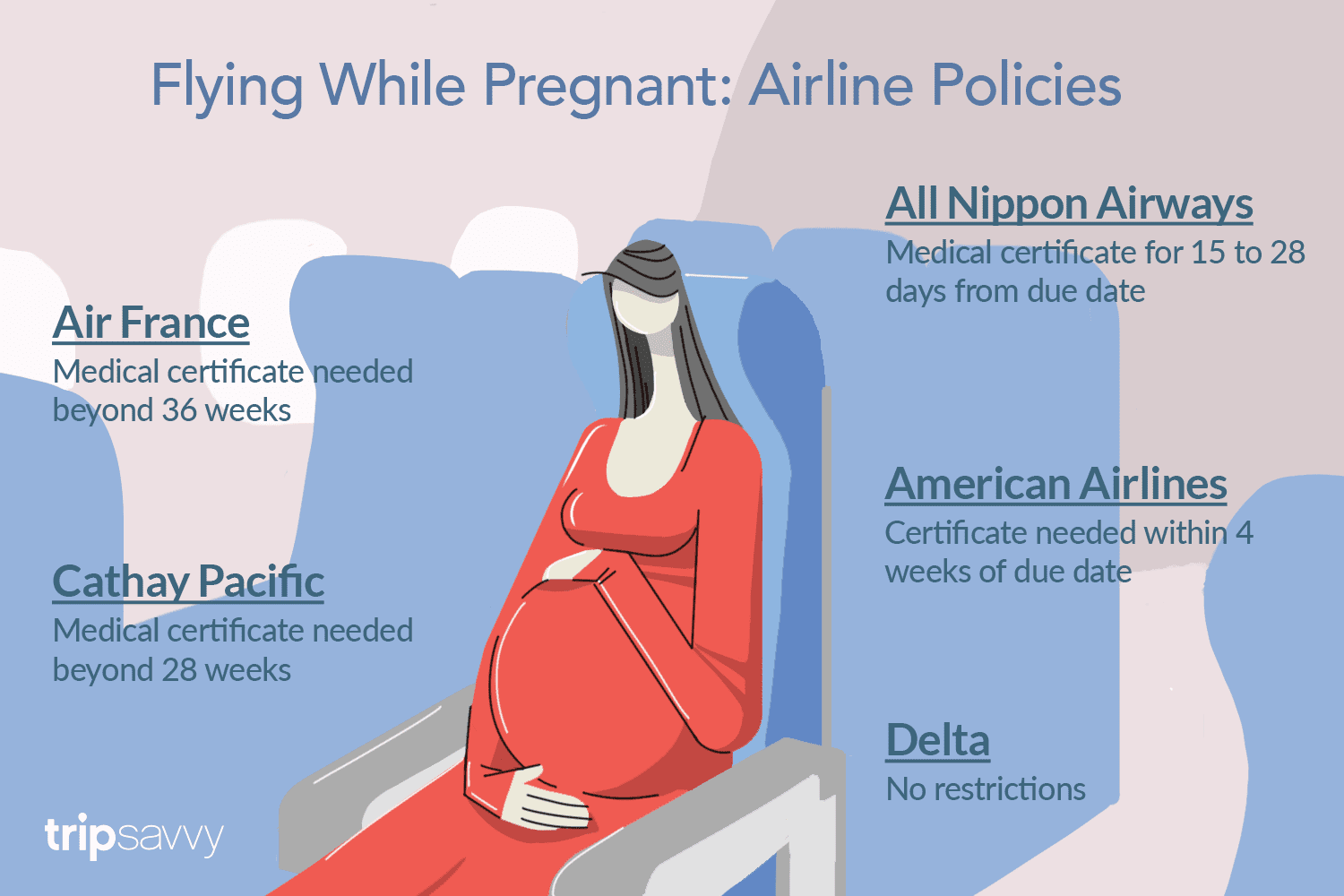
- Third Trimester: American Airlines requires a medical certificate if you are traveling within four weeks of your due date. The certificate must state your due date, that there are no complications, and that you are fit to fly.
- Cut-Off: American Airlines does not specify a strict cut-off but advises against flying within seven days of your due date without clearance from their special assistance team.
7. Lufthansa
- First and Second Trimesters: No medical certificate is required for flying until 28 weeks.
- Third Trimester: From 28 weeks onwards, Lufthansa requires a medical certificate confirming that you are fit to fly and specifying your due date. The certificate should be issued close to the travel date.
- Cut-Off: Lufthansa advises against flying after 36 weeks of pregnancy and requires special clearance for travel close to the due date.
How to Obtain a Fit-to-Fly Medical Certificate
Obtaining a fit-to-fly medical certificate is a straightforward process:
1. Schedule a Doctor’s Appointment:
As soon as you know you will be traveling, schedule an appointment with your GP or obstetrician. It’s best to do this close to your travel date so that the certificate reflects your current health status.
2. Discuss Your Travel Plans:
During the appointment, discuss your travel plans with your doctor, including the duration of the flight, any layovers, and the conditions at your destination. Your doctor will assess your overall health, the progress of your pregnancy, and any potential risks associated with flying.
3. Obtain the Certificate:
If your doctor determines that you are fit to fly, they will issue a medical certificate. The certificate should include:
- Your name and date of birth
- Your due date
- A statement that you are fit to fly
- Confirmation that there are no complications or medical conditions that would prevent you from flying
- Your doctor’s signature, credentials, and contact information
4. Carry the Certificate with You:
Keep the certificate with you at all times during your travel. You may be required to present it at check-in, during boarding, or if any questions arise during your flight.
Tips for Traveling While Pregnant
Here are some additional tips to help make your flight as comfortable and safe as possible:
1. Choose Your Seat Wisely:
- Opt for an aisle seat for easy access to the restroom and to stretch your legs.
- Consider upgrading to a seat with extra legroom if possible.
2. Stay Hydrated:
- Drink plenty of water before and during your flight to stay hydrated.
3. Move Around:
- Take short walks and stretch your legs regularly to reduce the risk of deep vein thrombosis (DVT).
4. Wear Comfortable Clothing:
- Dress in loose, comfortable clothing and wear compression socks to help with circulation.
5. Pack Snacks:
- Bring healthy snacks to maintain your energy levels and avoid hunger during the flight.
6. Rest:
- Use a travel pillow and blanket to get as much rest as possible during your journey.
Conclusion
Understanding the fit-to-fly rules for pregnant women is essential to ensure a safe and comfortable journey. Each airline has its own set of requirements, so it’s crucial to familiarize yourself with the specific rules of the airline you’ll be flying with. By obtaining a fit-to-fly medical certificate and following the tips provided, you can help ensure a smooth and stress-free travel experience during your pregnancy. Always consult with your healthcare provider before flying to make sure it’s safe for you and your baby. Safe travels!