How to Get a Doctor’s Note for a Leave from School
Doctor’s Note
Doctor’s Note
Missing school due to illness or medical appointments is sometimes unavoidable, and most educational institutions require proper documentation to excuse these absences. A doctor’s note, also known as a medical excuse or physician’s statement, serves as official verification that a student had a legitimate medical reason for being absent. Whether you’re a parent navigating this process for your child or a student handling it yourself, understanding how to obtain and submit a doctor’s note properly can save you considerable hassle and ensure your absence is properly documented.
Understanding What a Doctor’s Note Is
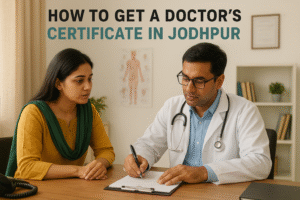
A doctor’s note is an official document written by a licensed healthcare provider that confirms a patient visited their office and provides justification for missing school, work, or other obligations. These notes typically include basic information such as the date of the visit, the healthcare provider’s contact information and credentials, and a statement indicating that the patient was seen for a medical reason. Some notes may include specific details about the condition, treatment recommendations, or restrictions on activities, while others provide minimal information due to privacy considerations.
The primary purpose of a doctor’s note is to provide schools with verified documentation that an absence was medically necessary rather than truancy. Schools use these notes to distinguish between excused and unexcused absences, which can impact a student’s academic standing, eligibility for make-up work, and compliance with attendance policies.
When You Need a Doctor’s Note
Not every minor illness requires a doctor’s visit or official documentation. Most schools have specific policies outlining when a doctor’s note becomes necessary. Common situations that typically require medical documentation include absences lasting three or more consecutive days, recurring absences due to chronic conditions, absences for scheduled medical procedures or specialist appointments, and situations where the school has concerns about attendance patterns.
Many schools allow parents to call in and excuse their child for one or two days of illness without requiring a doctor’s note, particularly for common ailments like colds, mild stomach bugs, or minor injuries. However, extended absences almost always require professional medical verification. Additionally, if a student needs accommodations upon returning to school—such as avoiding physical education, taking breaks throughout the day, or having modified assignments—a doctor’s note outlining these restrictions is essential.
Schools may also request medical documentation if they suspect an absence pattern that could indicate truancy disguised as illness. In these cases, documentation helps protect both the student and the school by providing clear verification of legitimate medical needs.
Steps to Obtain a Doctor’s Note
Schedule an Appointment Promptly
When your child becomes ill or you know they’ll need to miss school for a medical reason, contact your healthcare provider’s office as soon as possible. Explain the situation and mention that you’ll need documentation for the school. Many doctors’ offices are accustomed to these requests and can often accommodate urgent appointments or provide guidance on whether an in-person visit is necessary.
For sudden illnesses, same-day or next-day appointments are often available. If your regular physician cannot see you quickly, consider urgent care centers or walk-in clinics, which can also provide valid doctor’s notes. Telehealth appointments have also become increasingly accepted, and many providers can issue documentation following a virtual consultation, though you should verify your school accepts notes from telemedicine visits.
Attend the Medical Appointment
During the appointment, the healthcare provider will evaluate the patient’s condition. Be prepared to describe symptoms in detail, including when they started, their severity, and how they’ve affected the student’s ability to attend school. The doctor will conduct an examination and may order tests if necessary to diagnose the condition properly.
If the absence is for a scheduled procedure, pre-operative appointment, or specialist consultation, the medical staff will typically provide documentation automatically. However, it never hurts to remind them at check-in that you’ll need a note for school purposes.
Request the Doctor’s Note Specifically
While some medical offices automatically provide documentation, others require you to specifically request it. Don’t assume the note will be provided without asking. You can make this request when scheduling the appointment, during check-in, or before leaving the office after the consultation.
Be specific about what you need. Let the office staff know you need documentation for school absence purposes. Some offices have standard forms they use for these situations, while others will write a brief note on their letterhead or prescription pad. If your school has a specific form they prefer, bring it with you to the appointment and ask the doctor to complete it.
Understand What Information Should Be Included
A proper doctor’s note should contain several key elements. First, it must be on official letterhead or clearly identify the medical practice and provider. It should include the date of the appointment or visit, the healthcare provider’s name and credentials, their contact information, and their signature or stamp.
The note should state that the patient was seen for a medical reason and indicate the dates the student should be excused from school. While specific diagnoses don’t always need to be disclosed due to privacy laws, the note should provide enough information to justify the absence. For example, it might state “Patient was seen in our office on November 5, 2025, for an acute illness and should be excused from school from November 5-7, 2025.”
If the student requires any special accommodations upon returning to school—such as avoiding strenuous activity, having extra bathroom breaks, or needing to keep a snack available—these should be clearly documented in the note.
Alternative Ways to Obtain Documentation
Urgent Care and Walk-In Clinics
If your regular physician isn’t available or the illness occurs outside normal office hours, urgent care centers and walk-in clinics are excellent alternatives. These facilities are specifically designed to handle non-emergency medical issues and routinely provide documentation for school and work absences.
The advantage of urgent care is their extended hours, including evenings and weekends, and no appointment is typically necessary. The staff are familiar with providing excuse notes and can usually print one before you leave the facility. Keep all receipts and paperwork from your visit as additional proof if needed.
Telemedicine Appointments
Virtual healthcare has expanded dramatically, and many conditions can be evaluated through video consultations. If your child has symptoms like cold and flu, allergies, minor skin conditions, or needs a follow-up for a known condition, a telehealth appointment might suffice.
Check with your school first to ensure they accept documentation from telemedicine visits. Most do, particularly since the COVID-19 pandemic normalized virtual healthcare. During the video appointment, the provider can assess symptoms and either send a doctor’s note electronically or mail it to you. Many telehealth platforms allow you to download documentation directly from a patient portal.
Specialist and Follow-Up Appointments
If the school absence is for a scheduled appointment with a specialist, orthodontist, physical therapist, or for diagnostic testing, these providers can also supply documentation. Inform the office when scheduling that you’ll need a note for school purposes.
For recurring appointments related to chronic conditions—such as regular check-ups for diabetes, asthma treatments, or mental health counseling—your healthcare provider can often provide advance documentation covering multiple scheduled absences throughout the school year.
Hospital Visits and Emergency Room Documentation
If your child requires emergency medical care resulting in a hospital visit or emergency room treatment, the hospital will provide discharge papers that serve as documentation. These papers detail the date and time of the visit, the reason for treatment, and any follow-up care instructions.
Hospital documentation is generally very thorough and readily accepted by schools. Make sure to keep all paperwork, including admission forms, treatment summaries, and discharge instructions. If you need additional verification beyond the discharge papers, you can contact the hospital’s medical records department.
What to Do If You Can’t Get to a Doctor
Sometimes circumstances make it impossible to visit a doctor during an illness, particularly for minor conditions that don’t truly warrant professional medical attention but still prevent school attendance. If your child is sick but you determine a doctor’s visit isn’t necessary, here’s what you should do.
First, consult your school’s attendance policy carefully. Most schools allow parents to excuse a certain number of days per academic year without medical documentation. Typically, parents can call the school’s attendance office or send a note explaining the absence for short-term illnesses.
Keep detailed records of the illness at home, including dates, symptoms, temperatures if fever was present, and any over-the-counter medications administered. While this isn’t medical documentation, it shows you took the absence seriously and monitored the situation.
If the illness extends beyond the timeframe allowed without medical documentation, you may need to seek medical attention even if the child is improving. Explain the situation to your healthcare provider’s office—they may be able to conduct a quick evaluation or phone consultation and provide retroactive documentation if appropriate.
Some schools have nurses or health coordinators who may accept a parent’s detailed written statement for shorter absences. This is more common in elementary schools and for situations like recovery days following a documented illness.
Submitting the Doctor’s Note to School
Follow Proper Procedures
Each school has specific procedures for submitting absence documentation. Some require notes to be submitted to the main office, while others prefer they go directly to the attendance office or school nurse. Some schools have moved to digital submission systems where you can upload documentation through a parent portal.
Submit the doctor’s note as soon as possible after receiving it. Most schools have deadlines for submitting documentation—often within three to five days after the student returns to school. Missing these deadlines might result in the absence remaining unexcused, even with valid medical documentation.
Keep Copies for Your Records
Before submitting the original doctor’s note, make a copy or take a clear photograph for your personal records. Documentation can occasionally get lost in school administrative processes, and having your own copy allows you to provide it again if necessary.
Maintain an organized file of all medical documentation throughout the school year. This becomes particularly important if your child has a chronic condition requiring frequent absences or if attendance becomes a concern for any reason. Your records can help demonstrate a pattern of legitimate medical absences if questions arise.
Verify Receipt and Processing
After submitting the documentation, follow up to ensure it was received and properly processed. You can do this by checking the school’s online parent portal if available, calling the attendance office, or sending a quick email confirmation. This simple step prevents situations where you believe an absence has been excused when the school’s records show otherwise.
If the school has questions about the documentation or requires additional information, respond promptly to avoid delays in having the absence excused.
Understanding Privacy and What Can Be Disclosed
Healthcare privacy laws, particularly HIPAA in the United States, protect medical information. Doctors are generally careful about what information they include in notes for school to protect patient privacy while still providing necessary documentation.
Schools typically don’t need to know specific diagnoses or detailed medical information. A statement that the student was seen for a medical reason and should be excused is usually sufficient. However, if specific accommodations or restrictions are needed, more detailed information may be appropriate.
Parents have the right to request that certain medical information not be disclosed to schools beyond what’s absolutely necessary for excuse purposes. If you have privacy concerns, discuss them with your healthcare provider before the note is written.
For students with chronic conditions, you might work with your doctor and school to develop a broader care plan or 504 plan that addresses ongoing medical needs without requiring detailed documentation for each individual absence related to the condition.
Dealing with Chronic Conditions or Frequent Absences
Students with chronic health conditions like asthma, diabetes, epilepsy, autoimmune disorders, or mental health conditions may require frequent medical-related absences. In these situations, obtaining individual doctor’s notes for each absence can become burdensome.
Consider asking your healthcare provider for comprehensive documentation that covers a specified time period—such as a semester or academic year. This letter can explain that the student has a chronic condition requiring periodic absences for appointments, symptom management, or illness, and that these absences should be excused accordingly.
Many schools can work with families to develop an accommodation plan under Section 504 or an Individualized Education Program (IEP) that addresses attendance issues related to chronic health conditions. These formal plans provide structure for handling medical absences without requiring documentation each time, though periodic medical updates may still be necessary.
Maintain open communication with school administrators, counselors, and teachers about your child’s condition (sharing only what’s necessary and comfortable). When school staff understand the situation, they’re often more flexible and supportive regarding absences and make-up work.
Common Issues and How to Resolve Them
The Doctor’s Office Won’t Provide a Note
Some medical practices have policies limiting when they’ll provide excuse notes, particularly for conditions they didn’t directly evaluate. If you encounter this situation, explain specifically what your school requires. If the office still refuses, consider whether the visit was with an appropriate provider for your needs.
For future situations, establish care with a primary care physician who understands your family’s need for occasional documentation. A medical home relationship with a regular provider makes obtaining notes significantly easier.
The School Won’t Accept the Documentation
If a school questions or refuses to accept valid medical documentation, first ensure the note includes all required information. If it does, request clarification about why it’s not being accepted and what specifically is needed.
Review the school’s written attendance policy to understand their requirements. If you believe you’ve met those requirements, you may need to escalate the issue to a school administrator, counselor, or district attendance coordinator. Document all communications regarding the issue.
Financial Concerns
Doctor’s visits can be expensive, especially if you have high-deductible insurance or no insurance at all. However, obtaining proper documentation is often necessary to protect your child’s academic standing.
Consider lower-cost options like urgent care clinics or retail health clinics in pharmacies, which typically charge less than traditional doctor’s offices for minor illness visits. Some telehealth services offer very affordable consultations. Community health centers use sliding-scale fees based on income and can be excellent resources for families with financial constraints.
If financial hardship makes obtaining medical care and documentation truly impossible, communicate with your school about your situation. Some schools have nurses or social workers who can help connect families with resources or may have flexibility in their policies for demonstrated hardship cases.
Best Practices for Parents and Students
Developing good habits around medical documentation makes the process smoother when absences occur. Keep your healthcare provider’s contact information readily available, and establish a relationship with a primary care provider rather than relying solely on walk-in care. This relationship makes scheduling quick appointments much easier when needed.
Familiarize yourself thoroughly with your school’s attendance policy, including specific requirements for medical documentation, deadlines for submission, and the number of absences allowed without medical notes. Understanding these policies prevents surprises and helps you plan appropriately.
Create a system for organizing medical documentation—whether a physical folder or digital files—so you can quickly locate information if questions arise about past absences. This organization becomes especially valuable if your child requires frequent medical-related absences.
Teach older students to understand the importance of proper documentation and how to communicate with medical offices and school staff about these needs. These skills become increasingly important as students gain independence and eventually transition to college or the workplace, where similar documentation may be required.
Conclusion
Obtaining a doctor’s note for school absences is a straightforward process when you understand what’s required and plan accordingly. The key elements are seeking medical attention when appropriate, clearly requesting documentation from your healthcare provider, ensuring the note includes all necessary information, and submitting it promptly according to your school’s procedures.
While the process may seem like an inconvenient administrative task, proper documentation serves important purposes: it verifies legitimate medical absences, protects students’ academic records, ensures schools can distinguish between truancy and genuine illness, and provides necessary information for any required accommodations or modifications upon the student’s return.
By maintaining good relationships with healthcare providers, understanding school policies, keeping organized records, and communicating proactively with both medical offices and school staff, you can navigate the process of obtaining and submitting medical excuse notes with minimal stress. Remember that schools and healthcare providers share your goal of supporting students’ health and education—working collaboratively with both makes managing medically necessary absences much simpler.
Whether dealing with an occasional illness or managing a chronic condition requiring frequent medical attention, proper documentation ensures that students’ health needs are met while maintaining their academic progress and good standing with their educational institution.