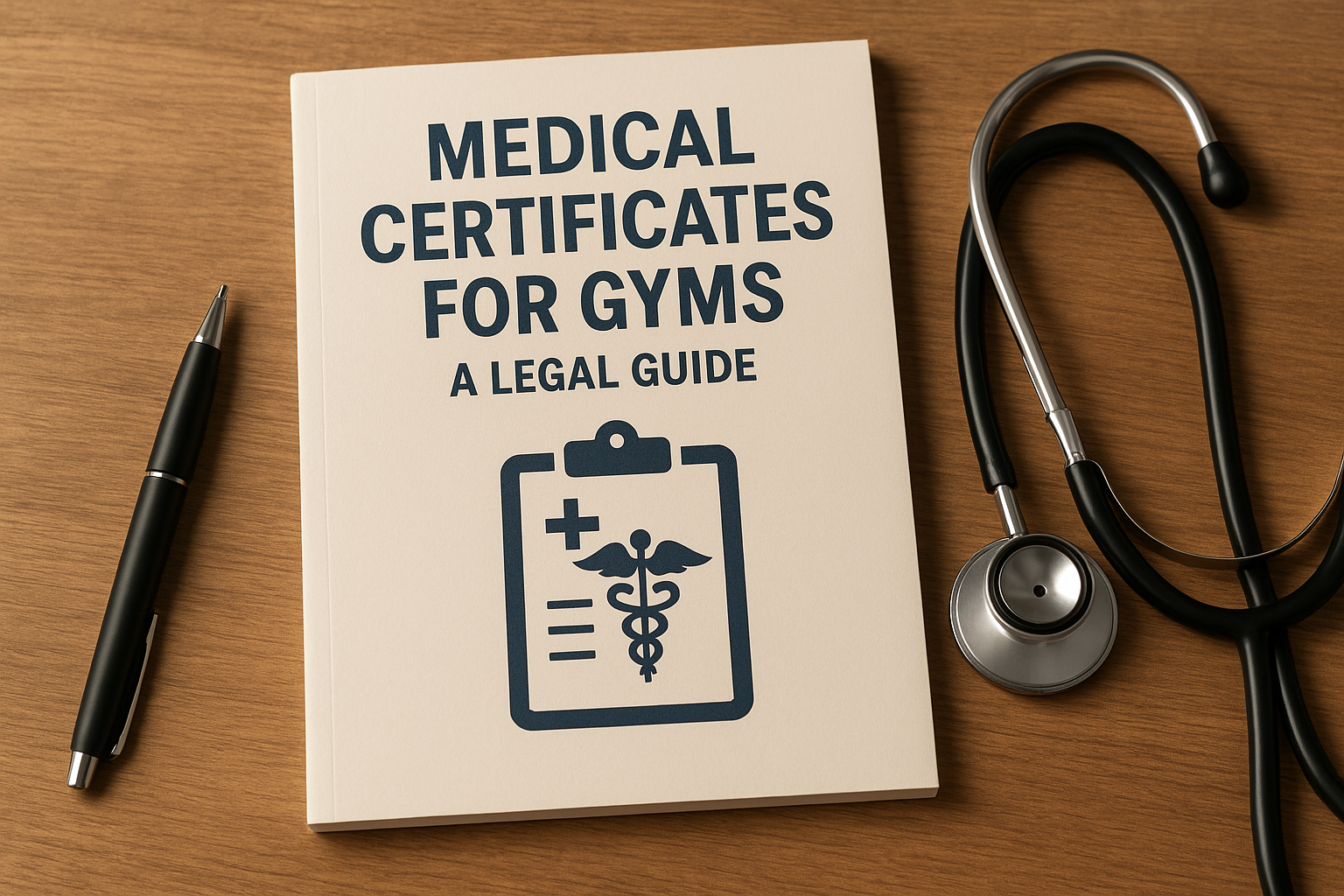
How to Get a Doctor’s Note in Asansol: A Complete Guide
Doctor’s Note
Doctor’s Note
Getting a doctor’s note in Asansol doesn’t have to be complicated. Whether you need one for work, school, insurance claims, or travel purposes, understanding the process can save you time and ensure you get the proper documentation you need. This comprehensive guide walks you through everything you need to know about obtaining a doctor’s note in Asansol, West Bengal.
Understanding What a Doctor’s Note Is
A doctor’s note, also known as a medical certificate or fitness certificate, is an official document issued by a licensed medical practitioner. It serves as proof of your medical condition, treatment, or fitness for specific activities. In Asansol, as in the rest of India, these documents carry legal weight and are often required for various official purposes.
The note typically includes your name, the date of examination, the doctor’s assessment, any diagnosis or medical condition, recommendations for rest or work restrictions, and the doctor’s signature with registration number and stamp.
Common Reasons You Might Need a Doctor’s Note
People in Asansol seek doctor’s notes for numerous reasons. Employment-related needs are among the most common, particularly when you need to justify sick leave from work or require documentation for returning to work after illness. Educational institutions frequently require these certificates when students miss classes or examinations due to health issues.
Insurance companies often demand medical certificates for processing health insurance claims or documenting pre-existing conditions. If you’re planning to travel, especially internationally, you might need a fitness certificate or documentation of vaccinations. Legal proceedings sometimes require medical documentation, and employers often request pre-employment medical certificates to verify your fitness for specific job roles.
Types of Healthcare Facilities in Asansol
Asansol offers a diverse range of healthcare facilities where you can obtain a doctor’s note. Understanding your options helps you choose the most appropriate and convenient facility for your needs.
Government hospitals and health centers, including the Asansol District Hospital and various Community Health Centers, provide affordable medical services and can issue official medical certificates. These facilities are often the most budget-friendly option, though you may experience longer wait times.
Private hospitals and clinics have proliferated throughout Asansol, offering faster service and more comfortable facilities. Reputed institutions include Asansol Medical Centre, Shankarpur Hospital, and numerous multispecialty hospitals that have established themselves in the city. These facilities typically provide quicker appointments and more personalized attention, though at a higher cost.
For quick consultations and minor ailments, Asansol has many standalone clinics operated by general practitioners and specialists scattered throughout residential areas. These are particularly convenient for straightforward medical certificates.
The telemedicine revolution has also reached Asansol, with several online consultation platforms now operating in the region. While virtual consultations have limitations, they can be useful for follow-up visits or when you need medical advice from home.
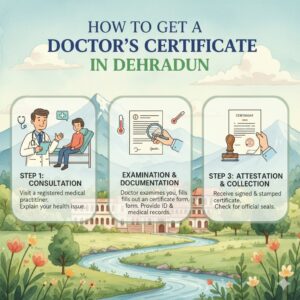
Step-by-Step Process to Get a Doctor’s Note
The process of obtaining a doctor’s note in Asansol generally follows a structured approach, though specifics may vary depending on the facility you choose.
Start by identifying the appropriate healthcare provider based on your needs. For routine sick leave certificates, a general practitioner will suffice. For specific conditions or specialized certificates, you may need to visit a specialist. Research facilities in your area, checking their operating hours and whether they require advance appointments.
Schedule an appointment by calling ahead or visiting the facility’s reception. While many clinics in Asansol accept walk-ins, booking an appointment can significantly reduce your waiting time. Some private hospitals and clinics now offer online booking through their websites or mobile applications.
When preparing for your visit, gather all necessary documents. Bring a valid government-issued ID proof such as an Aadhaar card, voter ID, or passport. If you have previous medical records related to your current condition, bring those along. Some situations may require additional paperwork, such as employer letters requesting specific information on the medical certificate.
During the consultation, the doctor will examine you and discuss your symptoms or medical needs. Be honest and thorough in describing your condition, as this information directly impacts the accuracy of your medical certificate. If you have specific requirements for the note, such as particular wording needed by your employer or institution, communicate this clearly to the doctor.
After the examination, the doctor will prepare your medical certificate. This document should be printed on the facility’s official letterhead and include all relevant medical information, the doctor’s assessment and recommendations, the doctor’s signature, registration number, and official stamp, and the date of issue.
Before leaving, verify that all information on the certificate is accurate and complete. Check that your name is spelled correctly, dates are accurate, and any specific requirements from your employer or institution are addressed. Request clarification on any medical terms or recommendations you don’t understand.
Payment procedures vary by facility. Government hospitals typically charge nominal fees, while private facilities have higher consultation charges. Always request a receipt for your payment, as this may be necessary for insurance reimbursement.
What to Expect at Different Types of Facilities
Your experience obtaining a doctor’s note will differ significantly based on where you go in Asansol.
At government hospitals and health centers, expect to encounter larger crowds and longer waiting times, particularly during morning hours. However, these facilities offer the advantage of very affordable fees, often just a few hundred rupees for consultation and certificate. The doctors here are qualified professionals, and the certificates they issue are fully legitimate and accepted by all institutions. You’ll need to be patient and arrive early to minimize wait times.
Private hospitals in Asansol provide a more streamlined experience. You’ll typically find better infrastructure, shorter waiting times, and more attentive staff. Consultation fees range from 300 to 1000 rupees or more, depending on the doctor’s qualifications and the hospital’s reputation. Many private facilities offer air-conditioned waiting areas, online appointment systems, and the ability to get your certificate issued quickly, sometimes within the same visit.
Neighborhood clinics run by individual practitioners offer the most personalized experience. These doctors often know their regular patients well and can provide certificates quickly for straightforward cases. Fees are generally moderate, typically between 200 and 500 rupees. The informal atmosphere can be more comfortable for some patients, and you may be able to walk in without an appointment.
Telemedicine consultations have become increasingly popular, particularly after the COVID-19 pandemic. While online doctors can provide medical certificates for certain conditions, these may not be accepted for all purposes. Some employers and institutions specifically require in-person examinations. However, for follow-up consultations or minor ailments where you’re already under treatment, telemedicine can be a convenient option. Digital certificates issued through legitimate platforms are increasingly being accepted, though you should verify with your employer or institution beforehand.
Important Considerations and Tips
Several factors can affect the validity and acceptance of your doctor’s note in Asansol.
Always ensure your medical certificate comes from a registered medical practitioner. The doctor should have a valid Medical Council of India registration number, which should appear on the certificate. Certificates from unregistered practitioners or those without proper credentials may not be accepted and could even lead to legal complications.
The format and content of your certificate matter. While there’s no single standardized format across India, certain elements are essential for legitimacy. The certificate must be on official letterhead, include complete examination details, have clear dates, and bear the doctor’s signature and stamp. Some employers or institutions may provide their own formats that need to be filled by the doctor.
Timing is crucial when obtaining a medical certificate. Ideally, you should visit the doctor on the day you’re unwell or as soon as possible afterward. Certificates dated significantly after the period of illness may raise questions about their authenticity. If you’re too ill to visit immediately, try to go as soon as you’re able, and explain the situation to your doctor.
Be aware of the validity period of medical certificates. For sick leave, certificates typically cover the period of actual illness plus any recommended rest period. For fitness certificates or pre-employment medicals, validity is usually three to six months. Always check the specific requirements of the institution requesting the certificate.
Language considerations are worth noting. While most medical certificates in Asansol are issued in English, some government facilities may offer Hindi or Bengali versions. Ensure the language used is acceptable to the institution requiring the certificate. If needed, you can request translation or a certificate in a specific language.
Never attempt to forge or alter a medical certificate. This is illegal and can result in serious consequences, including termination from employment, expulsion from educational institutions, or legal action. The medical community in Asansol is well-connected, and verification of certificates is common practice.
Cost Considerations
Understanding the financial aspect of obtaining a doctor’s note helps you plan accordingly.
Government facilities offer the most economical option. At district hospitals and community health centers in Asansol, consultation fees are typically between 10 and 50 rupees, with the medical certificate either included or costing a minimal additional fee. However, you may need to pay for any required tests or investigations separately.
Private general practitioners usually charge consultation fees between 200 and 500 rupees, which generally includes the medical certificate. Specialists in private practice may charge 500 to 1500 rupees or more, depending on their qualifications and reputation.
Corporate hospitals and multispecialty centers have the highest fees, with consultations ranging from 500 to 2000 rupees or more. However, these facilities often provide the most comprehensive documentation and may be preferred by some employers for pre-employment medicals.
Additional costs may include diagnostic tests if required by the doctor, such as blood tests, X-rays, or other investigations. Parking fees at larger hospitals, and transportation costs to and from the facility should also be considered.
Many health insurance policies cover consultation fees and diagnostic tests. Check with your insurance provider about coverage and whether you need pre-authorization. Keep all receipts and documentation for potential reimbursement.
Special Circumstances
Certain situations require specific types of medical certificates with particular considerations.
For pre-employment medicals, employers often have specific formats and requirements. Some may require tests like chest X-rays, blood tests, or vision and hearing assessments. Many larger companies in Asansol have tie-ups with specific hospitals or diagnostic centers, so check with your employer about their preferences. The process typically takes longer due to the comprehensive nature of the examination.
Student medical certificates for schools and colleges usually require less documentation but must clearly state the period of absence and whether the student is fit to return to classes. Educational institutions are generally strict about accepting only original certificates with proper signatures and stamps.
For legal or court proceedings, medical certificates require extra scrutiny and detail. The doctor may need to provide very specific information about injuries, treatment provided, and prognosis. In such cases, it’s advisable to visit a government hospital or a well-established private facility to ensure the certificate’s credibility.
Maternity-related certificates require documentation from an obstetrician or gynecologist. These certificates cover prenatal leave, delivery, and postnatal recovery periods as per Indian labor laws. Ensure the doctor is aware of the specific leave entitlements you’re claiming.
For chronic conditions requiring ongoing accommodation at work or school, you may need periodic updates to your medical certificate. Establishing a relationship with a regular doctor in Asansol who understands your condition can make this process smoother.
International travel may require specific health certificates, vaccination records, or fitness declarations. For such certificates, ensure the doctor is familiar with international requirements, and consider visiting a travel medicine specialist if available.
How to Find the Right Doctor in Asansol
Choosing the appropriate medical professional is key to obtaining a legitimate and accepted doctor’s note.
Start by asking for recommendations from friends, family, or colleagues in Asansol. Personal experiences can guide you toward reliable practitioners. Online reviews and ratings on platforms like Practo, Google Maps, or hospital websites can provide additional insights, though these should be considered alongside other factors.
Verify the doctor’s credentials by checking their Medical Council of India registration, which can be done through the Indian Medical Register website. Look for qualifications, specializations, and years of experience. For specialized certificates, ensure the doctor has relevant expertise.
Location and accessibility matter significantly. Choose a facility that’s convenient to reach, especially if you’re unwell. Consider factors like parking availability, public transport access, and the facility’s operating hours.
Many clinics and hospitals in Asansol now have online presence through websites or social media pages where you can check services offered, doctor availability, and sometimes even book appointments.
Red Flags to Avoid
Being aware of potential issues can protect you from problems with your medical certificate.
Be cautious of facilities or individuals offering medical certificates without proper examination. Legitimate doctors will always conduct at least a basic examination before issuing a certificate. Those offering certificates without seeing patients are engaging in unethical and illegal practices.
Unusually low prices compared to standard rates should raise suspicion. While affordable healthcare is important, certificates issued for unreasonably low fees may not be legitimate.
Certificates lacking proper documentation elements like letterhead, registration numbers, or official stamps should be rejected. Similarly, if a doctor is unwilling to provide their registration number or seems evasive about credentials, seek services elsewhere.
Pressure to provide false information or backdating of certificates should be firmly refused. A legitimate medical professional will only certify what they have personally observed and verified.
Digital Medical Certificates
The healthcare landscape in Asansol is gradually modernizing, with some facilities now offering digital medical certificates.
Digital certificates issued through legitimate telemedicine platforms or hospital portals are becoming more widely accepted. These typically include digital signatures and QR codes for verification. However, always confirm with your employer or institution whether they accept digital certificates before opting for this route.
The advantages of digital certificates include instant delivery via email, easy storage and retrieval, reduced risk of physical damage or loss, and sometimes simplified verification processes. However, not all institutions in Asansol and throughout India accept them yet, and some situations legally require physical certificates with wet signatures.
Maintaining Your Medical Records
Keeping organized medical records can simplify the process of obtaining future doctor’s notes.
Create a system for storing all medical certificates, test results, and treatment records. Digital scans or photographs provide backup copies. Maintain a health diary noting dates of illness, symptoms, treatments, and doctors consulted. This information proves valuable for future consultations and when explaining your medical history.
If you have chronic conditions requiring regular certificates, establishing a relationship with a primary care physician in Asansol ensures continuity of care and simplifies documentation.
Your Rights as a Patient
Understanding your rights helps you navigate the medical certificate process confidently.
You have the right to receive a medical certificate from any qualified registered medical practitioner who has examined you. Doctors cannot unreasonably refuse to provide certificates if they’ve treated you. You’re entitled to understand what’s written in your certificate and can request explanations of medical terms or recommendations.
The certificate should accurately reflect the doctor’s assessment. If you believe information is incorrect, discuss it with the doctor. However, remember that doctors can only certify what they’ve professionally observed and diagnosed. Privacy of your medical information is protected under law. Your medical details should not be shared without your consent except as required by law.
Conclusion
Obtaining a doctor’s note in Asansol is a straightforward process when you understand the options available and follow proper procedures. Whether you choose government facilities for affordability, private hospitals for convenience, or neighborhood clinics for personalized care, the key is ensuring you receive a legitimate certificate from a registered medical practitioner.
Always plan ahead when possible, be honest about your medical condition, verify all information on the certificate before leaving, and keep copies of all medical documentation for your records. With Asansol’s diverse healthcare infrastructure ranging from government hospitals to modern private facilities, you have numerous options to obtain the medical documentation you need.
Remember that medical certificates serve important functions in protecting both your health and your rights in professional and educational settings. By following the guidance in this article, you can navigate the process efficiently and ensure you receive proper, accepted documentation for your needs.