Medical Certificate for Backdated Leave: A Comprehensive Guide
Medical Certificate
Navigating the intersection of medical documentation and employment leave can be complex, particularly when dealing with backdated leave requests. Whether you’re an employee who fell ill unexpectedly or an HR professional managing leave policies, understanding the nuances of medical certificates for backdated leave is essential. This comprehensive guide explores everything you need to know about obtaining, submitting, and processing medical certificates for retroactive leave requests.
Understanding Backdated Leave
Backdated leave refers to leave that is requested and approved after the absence has already occurred. This situation commonly arises when employees become suddenly ill and are unable to notify their employer in advance or follow standard leave request procedures. Unlike planned leave, which is submitted and approved before the absence, backdated leave requires retrospective documentation to justify the time away from work.
The need for backdated leave often stems from genuine medical emergencies, severe illnesses, or situations where the employee was physically or mentally incapable of submitting a timely leave request. However, this type of leave requires careful documentation to prevent potential abuse and ensure fairness within the workplace.
The Role of Medical Certificates
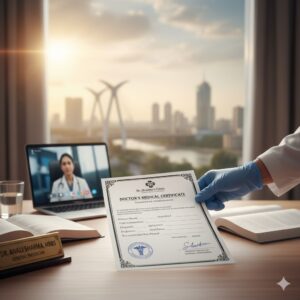
A medical certificate, also known as a doctor’s note or sick note, serves as official documentation from a licensed healthcare provider confirming that a patient was examined and found to be unfit for work during a specific period. For backdated leave, this certificate becomes the primary evidence supporting the legitimacy of the absence.
Medical certificates typically include several key components: the patient’s name, the date of examination, the period during which the patient is advised to abstain from work, and the healthcare provider’s signature and professional credentials. Some certificates may include general information about the nature of the illness, though specific diagnoses are often omitted to protect patient privacy.
The importance of a medical certificate for backdated leave cannot be overstated. It provides employers with assurance that the absence was necessary and legitimate, protects employees from potential disciplinary action, and creates an official record for both parties. Without proper medical documentation, backdated leave requests may be denied or result in the absence being classified as unauthorized.
When Medical Certificates Are Required
Employment contracts, company policies, and local labor laws typically dictate when medical certificates are mandatory. Most organizations require medical documentation for absences exceeding a certain duration, commonly ranging from one to three consecutive days. Some employers may request certification even for single-day absences, particularly if the employee has a pattern of frequent short-term absences.
For backdated leave specifically, medical certificates are almost universally required regardless of the absence duration. This requirement exists because retrospective leave requests inherently carry higher scrutiny than advance requests. Employers need concrete evidence that the absence was medically necessary and that the employee genuinely could not submit a timely notification.
Certain industries and positions may have stricter requirements. Healthcare workers, food service employees, and those in safety-sensitive roles often face more rigorous medical documentation requirements due to public health and safety concerns. Additionally, employees on probation or those with previous attendance issues may be subject to enhanced documentation requirements.
Obtaining a Medical Certificate After the Fact
Securing a medical certificate for backdated leave presents unique challenges compared to obtaining one during an active illness. The ideal scenario involves visiting a healthcare provider during the illness period, even if you’re seeking retrospective documentation. Many doctors will issue certificates backdated to the initial onset of symptoms if they examine you within a reasonable timeframe after the illness began.
When visiting a healthcare provider for retrospective certification, honesty and transparency are paramount. Clearly explain your situation, including when symptoms began, why you couldn’t visit earlier, and the duration of your inability to work. Healthcare providers are generally understanding of genuine circumstances, such as severe symptoms that prevented immediate medical consultation, lack of transportation, or geographic barriers to accessing care.
Most healthcare providers can backdate certificates for a limited period, typically ranging from a few days to a week, provided they can verify the illness through examination, patient history, or medical records. If significant time has passed since the illness, obtaining a backdated certificate becomes more challenging, as the doctor cannot confirm your condition during the absence period.
Telemedicine and virtual consultations have expanded options for obtaining medical certificates, particularly for retrospective requests. Many telehealth platforms allow patients to consult with licensed physicians remotely and receive electronic medical certificates. However, some employers may have specific policies regarding virtual consultations, so verify your company’s stance before pursuing this option.
Legal and Ethical Considerations
The legal framework surrounding medical certificates for backdated leave varies significantly across jurisdictions. In many countries, labor laws protect employees’ rights to sick leave while simultaneously granting employers the right to request medical documentation. Understanding your local regulations is crucial for both requesting and approving backdated leave.
Fraudulent medical certificates constitute serious offenses with potentially severe consequences. Employees who submit falsified documentation risk immediate termination, loss of benefits, and potential legal prosecution. Healthcare providers who knowingly issue fraudulent certificates can face professional sanctions, including license suspension or revocation, along with legal penalties.
The ethical dimension extends beyond legal compliance. Employees have a responsibility to be truthful about their health status and work capacity. Healthcare providers must balance their duty to advocate for patients with their obligation to maintain professional integrity. Employers must create policies that are fair, consistent, and respectful of employee privacy while protecting organizational interests.
Privacy laws, such as HIPAA in the United States or GDPR in Europe, impose strict limitations on what medical information employers can request and retain. Generally, employers can require confirmation that an employee was medically unfit for work during specific dates but cannot demand detailed diagnostic information. Employees and healthcare providers should be aware of these protections when preparing and submitting medical certificates.
Best Practices for Employees
If you find yourself needing to request backdated leave with medical certification, following best practices can smooth the process and protect your employment standing. First and foremost, notify your employer as soon as reasonably possible, even if you’re still unwell. Many workplace issues arise not from the illness itself but from perceived communication failures.
When communicating with your employer, provide a clear timeline of events. Explain when you became ill, why immediate notification wasn’t possible, and when you sought or plan to seek medical attention. This transparency demonstrates good faith and helps employers understand your circumstances rather than viewing the situation with suspicion.
Document everything related to your illness and absence. Keep records of when symptoms began, any over-the-counter medications or treatments you tried, and communications with healthcare providers. If you visited an emergency room or urgent care facility, retain all paperwork. This documentation supports your backdated leave request and provides evidence if any disputes arise.
Familiarize yourself with your company’s leave policies before you become ill, if possible. Understanding the specific requirements, notification procedures, and documentation expectations enables you to comply more effectively even during stressful health situations. Many companies provide employee handbooks or online resources detailing these policies.
When obtaining your medical certificate, ensure it includes all necessary information. Verify that it clearly states the dates you were unable to work, includes the healthcare provider’s credentials and contact information, and contains any specific elements your employer requires. Incomplete or ambiguous certificates may be rejected, requiring additional medical visits and delaying leave approval.
Best Practices for Employers
Organizations benefit from establishing clear, comprehensive policies regarding backdated leave and medical certification requirements. These policies should specify acceptable timeframes for retrospective leave requests, required documentation, submission procedures, and consequences for non-compliance. Clarity prevents misunderstandings and ensures consistent application across all employees.
When reviewing backdated leave requests, approach each case individually while maintaining policy consistency. Consider the employee’s history, the circumstances surrounding the absence, and the credibility of the medical documentation. Employees with excellent attendance records who rarely request leave deserve consideration different from those with patterns of questionable absences.
Maintain confidentiality throughout the process. Medical certificates should be handled only by authorized personnel, typically HR representatives, and stored securely in accordance with privacy regulations. Never discuss an employee’s medical situation with colleagues unless absolutely necessary for operational reasons, and even then, share only the minimum information required.
Consider implementing a graduated approach to medical certificate requirements. For example, employees with strong attendance records might need certification only for absences exceeding three days, while those with attendance concerns might require documentation for any backdated leave. This approach rewards reliability while maintaining oversight where needed.
Create supportive procedures that acknowledge the reality of sudden illness. Provide multiple channels for employees to report absences, including after-hours options for emergencies. Make it easy for employees to understand what documentation they need and how to submit it. A punitive approach to backdated leave often creates antagonism and encourages dishonesty, while a reasonable, supportive approach fosters trust and compliance.
Common Challenges and Solutions
One frequent challenge involves employees who were genuinely too ill to seek immediate medical attention but have difficulty obtaining retrospective certification days or weeks later. In these cases, employers might accept alternative documentation, such as pharmacy records showing prescription purchases, emergency room visit summaries, or detailed statutory declarations explaining the circumstances.
Disagreements sometimes arise regarding the validity or adequacy of medical certificates. Perhaps the certificate lacks specific dates, comes from a practitioner the employer questions, or seems inconsistent with the employee’s described symptoms. Establishing a clear appeals process allows employees to provide additional documentation or context while giving employers a structured framework for resolution.
International employees or those traveling abroad when illness strikes face unique obstacles. Medical certificates from foreign healthcare providers may not conform to local expectations, language barriers can complicate documentation, and verification becomes more difficult. Employers should anticipate these scenarios in their policies and establish reasonable accommodations, such as accepting translated documents or allowing extended timeframes for obtaining proper certification.
Technological solutions can address many common challenges. Digital platforms for leave management streamline submission processes, automatic reminders help employees comply with documentation requirements, and electronic record-keeping ensures nothing gets lost. Some organizations use third-party verification services to authenticate medical certificates, though this must be balanced against privacy concerns and costs.
The Impact of Workplace Culture
Beyond policies and procedures, workplace culture significantly influences how backdated leave requests are perceived and handled. Organizations that foster trust, emphasize employee wellbeing, and demonstrate flexibility tend to experience fewer problems with backdated leave. Employees in such environments feel comfortable reporting illnesses promptly and honestly, reducing the need for retrospective requests.
Conversely, workplaces characterized by mistrust, presenteeism (the expectation that employees work even when ill), or punitive absence policies often see higher rates of backdated leave requests and potentially fraudulent documentation. When employees fear repercussions for taking necessary sick leave, they may delay reporting absences or seek ways to circumvent policies, creating administrative burdens and eroding trust further.
Leadership behavior sets the tone for how illness and leave are regarded. When managers and executives model healthy behaviors by taking appropriate sick leave, discussing health needs openly, and supporting team members during illness, it normalizes these practices throughout the organization. Conversely, leaders who boast about never taking sick days or who imply weakness in those who do create toxic environments that ultimately harm productivity and employee health.
Technological and Modern Considerations
Digital health records and electronic medical certificates are transforming how backdated leave documentation is obtained and processed. Many healthcare providers now issue digital certificates that can be emailed directly to employers, reducing delays and minimizing the risk of lost paperwork. These systems often include verification features that allow employers to confirm authenticity without violating patient privacy.
Telemedicine platforms have made medical consultations more accessible, particularly valuable for obtaining backdated certificates. Employees who were too ill to visit a doctor’s office physically can often consult with providers remotely and receive appropriate documentation. However, some jurisdictions or employers may have restrictions on accepting certificates from virtual consultations, so checking policies beforehand is advisable.
Blockchain technology and similar innovations may soon revolutionize medical certificate verification. Imagine a system where healthcare providers issue certificates to a secure, tamper-proof digital ledger that employers can access with appropriate permissions. Such systems could eliminate fraud while protecting privacy and streamlining administrative processes.
Artificial intelligence and machine learning are being explored for identifying patterns in leave requests that might indicate policy violations or health trends requiring intervention. While these technologies offer efficiency gains, they must be implemented carefully to avoid privacy violations and discriminatory outcomes.

Moving Forward
The landscape of medical certification for backdated leave continues to evolve alongside changes in employment law, healthcare delivery, and workplace culture. Organizations that stay informed about these developments, regularly review and update their policies, and maintain flexibility in addressing individual circumstances will navigate this terrain most successfully.
For employees, understanding your rights and responsibilities regarding medical leave and documentation protects you during vulnerable health periods. Know your company’s policies, maintain open communication with your employer, and seek appropriate medical care when needed without fear of unjust repercussions.
The balance between protecting employer interests and respecting employee health needs requires good faith from all parties. Medical certificates for backdated leave serve as a bridge between these interests, providing the documentation necessary for informed decision-making while respecting privacy and individual circumstances. When approached with honesty, clarity, and mutual respect, this process can function smoothly, supporting both organizational operations and employee wellbeing.
Ultimately, the goal is creating workplaces where employees feel supported during illness, employers have the information they need for effective leave management, and healthcare providers can fulfill their professional obligations without being pressured into inappropriate documentation practices. By understanding the complexities of medical certificates for backdated leave and implementing thoughtful policies and practices, we move closer to achieving this goal.