Medical Certificate for a Job Interview: Everything You Need to Know
Medical Certificate
Navigating the job application process can be stressful enough without the added complexity of medical documentation. If you’ve been asked to provide a medical certificate for a job interview or as part of your hiring process, you might be wondering what this entails, why employers request it, and how to obtain one. This comprehensive guide will walk you through everything you need to know about medical certificates in the employment context.
What Is a Medical Certificate for Employment?
A medical certificate for employment, also known as a fitness-to-work certificate or pre-employment medical clearance, is a document issued by a qualified healthcare professional that confirms an individual’s physical and mental health status. This certificate typically states that the candidate is medically fit to perform the duties associated with a specific job role.
Unlike a sick note that excuses you from work due to illness, an employment medical certificate serves as proof that you’re healthy enough to take on new responsibilities. It’s essentially a green light from a medical professional that you can handle the physical and mental demands of the position you’re applying for.
Why Do Employers Request Medical Certificates?
Employers have several legitimate reasons for requesting medical certificates as part of their hiring process:
Workplace Safety
In industries where physical demands are high or where safety is paramount—such as construction, transportation, healthcare, or manufacturing—employers need assurance that candidates can safely perform their duties without putting themselves or others at risk. A forklift operator with uncontrolled epilepsy or a pilot with severe vision problems could create dangerous situations.
Legal Compliance
Certain industries are regulated by government agencies that mandate medical fitness certifications. For example, commercial drivers must meet specific health standards set by transportation authorities, and healthcare workers may need to prove immunity to certain diseases.
Insurance Requirements
Some employers have insurance policies that require medical screening of new employees. This helps insurance companies assess risk and determine appropriate coverage and premiums.
Reasonable Accommodations
Understanding a candidate’s medical status helps employers determine if they need to make reasonable accommodations under disability discrimination laws. This ensures the workplace is accessible and suitable for the employee’s needs.
Protecting Company Assets
For positions involving significant financial responsibility or access to sensitive information, employers want to ensure candidates are mentally fit and don’t have conditions that might impair judgment or decision-making abilities.
When Are Medical Certificates Typically Required?
Medical certificates aren’t requested for every job. They’re most common in these situations:
High-risk occupations: Jobs involving heavy machinery, heights, hazardous materials, or public safety responsibilities often require medical clearance.
Physically demanding roles: Positions requiring heavy lifting, prolonged standing, or significant physical exertion may necessitate fitness certificates.
Regulated industries: Aviation, maritime, transportation, healthcare, and food service industries often have mandatory medical screening requirements.
After a conditional job offer: In many jurisdictions, employers can only request medical information after extending a conditional offer of employment, not during the initial interview stage.
Return to work: While not related to job interviews, employees returning from extended medical leave may need certificates confirming they’re fit to resume their duties.
What Does a Medical Certificate Include?
The content of an employment medical certificate varies depending on the job requirements and industry regulations, but typically includes:
Basic identification: Your name, date of birth, and identification details.
Examination date: When the medical assessment was conducted.
Doctor’s credentials: The examining physician’s name, registration number, and signature.
Fitness declaration: A statement confirming whether you’re fit, fit with restrictions, or unfit for the specific role.
Specific assessments: Depending on the job, this might include vision tests, hearing tests, cardiovascular fitness, mental health screening, drug and alcohol testing, or immunization records.
Limitations or restrictions: Any conditions or accommodations that might be necessary for you to perform the job safely.
Validity period: How long the certificate remains valid.
It’s important to note that medical certificates should not disclose detailed diagnoses or private health information unless absolutely necessary for the role. Privacy laws in most countries protect candidates from having to disclose more medical information than is relevant to job performance.
How to Obtain a Medical Certificate for a Job Interview
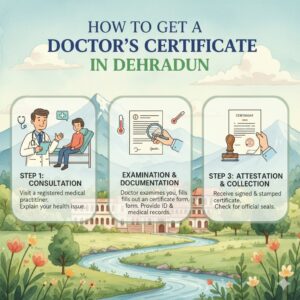
If you’ve been asked to provide a medical certificate, follow these steps:
Step 1: Understand the Requirements
Ask your potential employer exactly what they need. Request a copy of any forms that need to be completed or specific tests that must be conducted. Understanding whether you need a general fitness certificate or something more specialized will save time and money.
Step 2: Schedule an Appointment
Contact your regular doctor or a designated occupational health provider. Some employers have relationships with specific clinics that specialize in pre-employment medical assessments. If your employer hasn’t specified a provider, your general practitioner can usually issue the certificate.
Step 3: Gather Relevant Information
Bring the job description and any employer-provided forms to your appointment. Your doctor needs to understand what the job entails to properly assess your fitness for the role. Also bring your medical history, current medications list, and immunization records.
Step 4: Undergo the Examination
The examination scope depends on the job requirements. It might include a physical examination, vital signs measurement, vision and hearing tests, mobility and strength assessments, mental health screening, or specific tests like spirometry for respiratory function.
Be honest with your doctor about your health status and any concerns you have about performing the job duties. They’re there to help, not to disqualify you.
Step 5: Receive Your Certificate
If deemed fit, your doctor will issue the certificate, usually on the same day or within a few days. Make sure you receive both the original for your employer and a copy for your personal records.
Step 6: Submit to Your Employer
Provide the certificate to your potential employer as requested. Keep track of the submission date and confirm receipt.
Costs and Who Pays
The financial responsibility for pre-employment medical certificates varies by country, industry, and employer policy. In some jurisdictions, employers are legally required to pay for medical examinations they request. In others, candidates bear the cost.
Pre-employment medical examinations typically cost between $50 and $300, depending on the complexity of tests required. Basic fitness certificates are less expensive, while comprehensive evaluations with specialized testing cost more.
Before scheduling your appointment, clarify with your potential employer whether they’ll cover the cost, reimburse you, or expect you to pay out of pocket. Get this in writing to avoid disputes later.
Your Rights and Privacy Protections
When providing medical information to employers, you have important rights:
Limited disclosure: Employers should only request medical information directly relevant to job performance. They cannot ask about your entire medical history out of curiosity.
Confidentiality: Your medical information must be kept confidential and stored separately from general personnel files. Only authorized individuals should have access.
Non-discrimination: Employers cannot discriminate against you based on disability or medical conditions if you can perform essential job functions with or without reasonable accommodations.
Timing: In many jurisdictions, employers can only request medical examinations after extending a conditional job offer, not before.
Consent: You must provide informed consent before any medical examination or disclosure of medical information.
Access: You have the right to see your medical certificate and understand what information is being shared with your employer.
If you feel your rights have been violated, you can contact your country’s labor department or equal employment opportunity commission.
What If You’re Not Fit for the Role?
If your doctor determines you’re not medically fit for a specific position, don’t panic. This doesn’t mean you’re unemployable or that your career is over. Consider these options:
Seek a second opinion: If you disagree with the assessment, you’re entitled to consult another doctor for a second evaluation.
Request accommodations: If you have a disability or health condition, discuss with your employer whether reasonable accommodations could enable you to perform the job safely.
Address the issue: If your fitness concern is something that can be treated or managed, work with your doctor on a treatment plan and request reassessment after improvement.
Consider alternative roles: The position might not be suitable, but perhaps the company has other openings that better match your capabilities.
Appeal the decision: Some companies have formal processes for appealing medical fitness decisions.
Special Considerations for Different Industries
Healthcare Workers
Healthcare employees often need comprehensive medical certificates including immunization records (hepatitis B, MMR, varicella, influenza, COVID-19), tuberculosis screening, and sometimes hepatitis C and HIV testing for certain procedures. The goal is protecting both healthcare workers and patients from infectious diseases.
Transportation and Aviation
Commercial drivers, pilots, and other transportation professionals face stringent medical requirements regulated by government agencies. These assessments are more detailed and must be conducted by certified medical examiners. Conditions like uncontrolled diabetes, certain heart conditions, or vision problems below specific standards can be disqualifying.
Construction and Manual Labor
These roles typically require assessment of musculoskeletal fitness, cardiovascular health, and respiratory function. Employers want assurance that workers can safely perform tasks like heavy lifting, climbing, or working in confined spaces.
Food Service
Food handlers may need certificates confirming they’re free from communicable diseases that could contaminate food. This protects public health.
Red Flags and Unethical Requests
While most employers have legitimate reasons for requesting medical certificates, be wary of these red flags:
- Requesting detailed medical information before a job offer
- Asking about conditions unrelated to job performance
- Requiring genetic testing
- Demanding pregnancy tests (unless there’s a legitimate safety concern with specific job duties)
- Requesting HIV testing without clear job-related justification
- Asking invasive questions about mental health history beyond what’s necessary for safety
If you encounter these situations, consider consulting an employment lawyer or contacting your labor department.
Conclusion
Medical certificates for job interviews and employment are a normal part of the hiring process for many positions, particularly those with physical demands or safety considerations. While the requirement might seem intimidating, it’s typically straightforward and serves important purposes for both employers and employees.
Understanding why these certificates are needed, what they contain, how to obtain them, and your rights throughout the process empowers you to navigate this requirement confidently. Be proactive in clarifying expectations with your potential employer, honest with your healthcare provider, and aware of your legal protections.
Remember that a medical certificate requirement isn’t designed to exclude qualified candidates—it’s meant to ensure safe, productive workplaces where employees can thrive. If you’re genuinely fit for the role you’re pursuing, the medical certificate process is simply one more step on your journey to landing your next great opportunity.
If you have concerns about your ability to obtain medical clearance for a specific position, don’t let that stop you from applying. Discuss your situation with the employer and your doctor. With proper communication and, when necessary, reasonable accommodations, you may find that the job is more accessible than you initially thought.