
Medical Certificate for a Sports Injury: A Complete Guide
Medical Certificate
When you’ve sustained an injury during athletic activity, obtaining a medical certificate is often a crucial step in your recovery process. Whether you’re a professional athlete, weekend warrior, or student participating in school sports, understanding the purpose and process of securing proper medical documentation can significantly impact your treatment, insurance claims, and safe return to activity.
What Is a Medical Certificate for a Sports Injury?
A medical certificate is an official document issued by a qualified healthcare provider that verifies the existence, nature, and severity of your sports-related injury. This comprehensive document serves as formal proof of your medical condition and typically includes details about diagnosis, treatment recommendations, activity restrictions, and anticipated recovery timeline.
These certificates differ from standard sick notes in their specificity regarding athletic participation. They address not only your general ability to work or attend school but also provide detailed guidance about which physical activities you can safely perform during recovery.
Why You Need a Medical Certificate
The importance of obtaining proper medical documentation extends far beyond simple record-keeping. Understanding these reasons helps you appreciate why healthcare providers take such care in preparing these documents.
Insurance and Legal Protection
Insurance companies typically require formal medical documentation before approving claims related to sports injuries. Without an official certificate from a licensed medical professional, you may find yourself responsible for treatment costs that would otherwise be covered. The certificate establishes a clear timeline of when the injury occurred, what treatment was necessary, and whether the injury qualifies under your policy terms.
Additionally, if your injury occurred during organized sports or at a facility where liability might be questioned, having comprehensive medical documentation protects your legal rights should future complications arise or if you need to pursue compensation.
Workplace and Academic Requirements
Many employers and educational institutions have strict policies requiring medical certification when injuries affect your ability to perform duties or participate in required activities. If you need time off work for treatment or physical therapy, your employer will likely require documentation explaining the medical necessity of your absence.
For students, schools often mandate medical clearance before allowing return to physical education classes or athletic competitions. This protects both the institution and the student from liability if premature return to activity causes reinjury or complications.
Structured Recovery and Return-to-Play Guidelines
Perhaps most importantly, a properly issued medical certificate provides a structured framework for your recovery. Your healthcare provider uses this document to clearly communicate which activities you should avoid, which modifications you can make, and what milestones must be reached before resuming full participation in your sport.
This guidance prevents the common mistake of returning to activity too soon, which frequently leads to reinjury or chronic problems. The certificate creates accountability for following proper recovery protocols rather than relying solely on how you feel day-to-day.
When Should You Obtain a Medical Certificate?
Timing matters significantly when seeking medical certification for a sports injury. Understanding when to pursue documentation helps ensure you receive appropriate care and maintain proper records.
Immediately After Serious Injuries
For obvious serious injuries—broken bones, dislocations, severe sprains, suspected concussions, or any injury causing significant pain or loss of function—seek medical attention immediately. The healthcare provider treating you in the emergency department or urgent care facility will typically provide initial documentation as part of your discharge paperwork.
Don’t wait to see if the injury improves on its own. Delayed treatment not only risks complications but also creates gaps in your medical record that can complicate insurance claims or return-to-play processes.
When Initial Self-Care Doesn’t Resolve Symptoms
Many athletes initially treat minor injuries with the RICE protocol (rest, ice, compression, elevation) and over-the-counter pain medication. This approach is reasonable for seemingly minor strains or bruises. However, if symptoms persist beyond 48-72 hours, worsen despite treatment, or prevent you from performing normal daily activities, it’s time to seek professional evaluation.
Persistent pain, swelling that doesn’t decrease, or inability to bear weight on an injured limb all warrant medical assessment and documentation.
Before Returning to Sport
Even if you didn’t initially seek medical care for an injury that seemed minor, obtaining clearance before returning to full athletic participation is wise, especially for contact sports or activities involving repetitive stress on the previously injured area.
Many sports organizations, schools, and leagues now require medical clearance certificates before allowing athletes to return after injury, particularly following concussions or injuries requiring missed practice or competition time.
What Information Does a Medical Certificate Include?
A comprehensive medical certificate for sports injuries contains several key components that distinguish it from basic sick notes. Understanding these elements helps you ensure your documentation is complete and adequate for its intended purpose.
Patient and Provider Identification
The certificate begins with your basic identifying information—full name, date of birth, and often contact information. It also includes complete details about the healthcare provider issuing the certificate, including their name, credentials, medical license number, specialty, and contact information. This establishes the legitimacy of the document and allows verification if necessary.
Injury Details and Diagnosis
The core of the certificate describes your injury using both common language and appropriate medical terminology. This section specifies which body part or structure is injured (such as “right anterior cruciate ligament” rather than just “knee”), the type of injury (sprain, strain, fracture, tear, contusion), and the grade or severity (such as Grade II sprain indicating partial ligament tear).
For complex injuries, the diagnosis may include multiple components. An ankle injury, for example, might involve both ligament damage and bone bruising. Comprehensive documentation of all injury components ensures appropriate treatment coverage and return-to-play planning.
Mechanism of Injury
Quality medical certificates describe how the injury occurred, which provides important context for understanding the injury pattern and potential complications. This might note that an ACL tear occurred during a non-contact pivoting movement in basketball, or that a shoulder injury resulted from a direct collision during football.
This information helps other healthcare providers understand the forces involved and anticipate associated injuries that might not be immediately apparent.
Examination Findings
The certificate should summarize relevant findings from the physical examination, such as areas of tenderness, degree of swelling, range of motion limitations, or functional deficits. For injuries requiring imaging, the certificate references these studies and summarizes key findings from X-rays, MRIs, or ultrasounds.
Treatment Plan and Recommendations
One of the most crucial sections outlines your prescribed treatment plan. This might include medications, physical therapy referrals, bracing or supportive equipment, activity modifications, or upcoming procedures. Specific instructions about which activities to avoid and which are permitted provide clear guidance for safe recovery.
Activity Restrictions and Timeline
The certificate specifies exactly what you cannot do and for how long. Rather than vague statements like “avoid sports,” quality documentation provides specific guidance: “No running, jumping, or pivoting for 4-6 weeks,” or “May swim but no freestyle or butterfly strokes for 2 weeks.
For athletes, the certificate should address return-to-play progression, outlining the stages you must successfully complete before resuming full participation. This might progress from no activity to light cardiovascular work, then sport-specific movements without contact, then full practice, and finally game participation.
Follow-Up Requirements
The certificate indicates when you need to return for reassessment and what criteria must be met before restrictions can be lifted. This ensures continuity of care and prevents premature return to activity.
Types of Healthcare Providers Who Issue Medical Certificates
Different situations and injury types may require certification from specific types of medical professionals. Understanding which provider is appropriate for your circumstances ensures your documentation will be accepted by insurance companies, employers, or sports organizations.
Primary Care Physicians and Sports Medicine Doctors
Your family doctor or general practitioner can evaluate and document most common sports injuries. They provide initial assessment, coordinate referrals to specialists when necessary, and issue medical certificates for straightforward cases.
Sports medicine physicians specialize in athletic injuries and physical performance. They possess expertise in return-to-play decision-making and often serve as team physicians for sports organizations. Their certificates carry particular weight when detailed activity-specific clearance is needed.
Orthopedic Surgeons
For injuries involving bones, joints, ligaments, or tendons, orthopedic surgeons provide definitive diagnosis and treatment planning. If surgery is required or being considered, certification from an orthopedic surgeon documents the surgical necessity and expected recovery course.
Physical Therapists
While physical therapists don’t typically issue initial injury certifications, they often provide progress reports and functional assessments that supplement physician certificates. Many return-to-play protocols require physical therapy clearance demonstrating adequate strength, range of motion, and functional capacity before physicians grant final clearance.
Neurologists and Concussion Specialists
Head injuries and concussions require evaluation by providers with specific expertise in brain injury. Neurologists, sports medicine physicians with concussion certification, or specialized concussion clinics provide the detailed cognitive and physical assessments necessary for safe return-to-play certification after head injury.
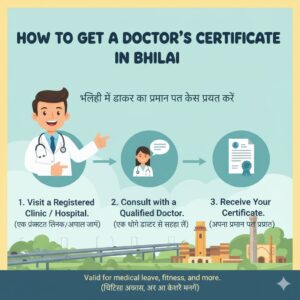
The Process of Obtaining Your Medical Certificate
Understanding the typical process for securing your medical documentation helps you prepare appropriately and ensures you receive comprehensive care along with proper certification.
Schedule an Appointment Promptly
Contact your healthcare provider as soon as you recognize the need for medical evaluation. Explain that you’ve sustained a sports injury and need both evaluation and documentation. Many practices can accommodate urgent injury assessments within 24-48 hours.
If your injury seems serious or you’re experiencing severe pain, numbness, deformity, or inability to use the injured area, seek emergency care rather than waiting for a scheduled appointment.
Prepare for Your Appointment
Before your visit, gather relevant information that will help your provider create a comprehensive certificate. Note exactly when and how the injury occurred, what you felt at the moment of injury, what symptoms you’ve experienced since, what first aid or self-treatment you’ve attempted, and what specific activities or obligations you need documentation for.
If you have insurance, bring your card and any necessary referral paperwork. Also bring identification and be prepared to provide your complete medical history, including previous injuries to the same area.
Be Thorough and Honest During Examination
During your evaluation, provide complete and accurate information about your symptoms, even if they seem unrelated to the primary injury. Describe your pain level honestly rather than downplaying discomfort—accurate assessment depends on truthful reporting.
Demonstrate exactly which movements or activities cause pain or difficulty. If you’re worried about how long recovery might take, express these concerns to your provider so they can address them in their recommendations and documentation.
Discuss Your Specific Documentation Needs
Tell your healthcare provider exactly what you need the certificate for. Requirements differ between insurance claims, employer documentation, school requirements, and sports organization clearance. Your provider can ensure the certificate includes all necessary components for your specific situation.
If you need documentation sent directly to an insurance company, employer, or sports league, provide complete contact information and any required forms during your visit.
Understand Your Restrictions and Treatment Plan
Before leaving the appointment, make sure you clearly understand your activity restrictions, treatment requirements, medication instructions, and follow-up plans. Ask questions about anything that’s unclear—these restrictions exist to protect you from reinjury, not to be arbitrarily limiting.
Confirm when and how you’ll receive your written medical certificate if it’s not provided immediately. Some offices provide documentation the same day, while others may require 24-48 hours for completion.
Common Challenges and How to Address Them
Despite best efforts, various complications can arise when obtaining or using medical certificates for sports injuries. Being aware of potential issues helps you address them proactively.
Insufficient Detail in Documentation
Sometimes initial medical certificates lack the specific detail required by insurance companies or sports organizations. If you receive documentation that seems too general, contact your provider’s office and explain what additional information is needed. Most providers will gladly amend certificates to include necessary specifics.
Disagreement About Return-to-Play Timeline
Athletes often feel ready to return to sport before medical clearance is granted. This frustration is understandable, but premature return frequently leads to reinjury and longer ultimate recovery time. If you disagree with your provider’s timeline, communicate your concerns and ask for explanation of the medical reasoning behind restrictions.
In rare cases where you genuinely believe the restrictions are overly conservative, seeking a second opinion from another qualified provider is reasonable. However, resist the temptation to simply “doctor shop” until you find someone who tells you what you want to hear—this undermines your own recovery and safety.
Insurance Disputes
Occasionally insurance companies dispute injury claims despite proper medical certification. If this occurs, work with your healthcare provider’s office to submit additional documentation addressing the insurer’s specific concerns. Your provider may need to clarify the injury mechanism, medical necessity of treatment, or relationship between the injury and your athletic activity.
Pressure from Coaches or Team Leadership
Athletes sometimes face pressure from coaches, teammates, or sports organizations to return before receiving medical clearance. Your health and long-term athletic career are more important than any single game or season. Medical certificates exist precisely to protect you from external pressure that could compromise your recovery.
If you experience inappropriate pressure to return prematurely, involve parents (if you’re a minor), athletic trainers, or school administrators who can advocate for proper medical protocols.
Special Considerations for Different Injury Types
Certain sports injuries require specific documentation approaches or have unique certification requirements worth understanding.
Concussion Protocols
Head injuries have received increased attention due to growing understanding of long-term consequences. Concussion certificates must document cognitive testing results, symptom resolution, and successful completion of graduated return-to-play protocols. Many jurisdictions have legal requirements for medical clearance after concussion, and schools and sports leagues often have strict policies exceeding minimum legal standards.
Never attempt to hide concussion symptoms or return without proper clearance. The consequences of repeat concussion before complete healing can be catastrophic.
Overuse Injuries
Stress fractures, tendinopathies, and other overuse injuries present certification challenges because they often develop gradually without a specific injury event. Comprehensive documentation should address training volume, technique issues, or equipment problems that contributed to the injury, along with detailed modification of training plans to prevent recurrence.
Catastrophic Injuries
Serious injuries like ACL tears, Achilles ruptures, or fractures requiring surgical intervention need particularly thorough documentation. Certificates should outline the complete treatment plan including surgery dates, expected rehabilitation course, and realistic timeline for return to sport, which may extend six months or longer.
Life After Injury: Using Your Medical Certificate Effectively
Once you have proper documentation, understanding how to use it effectively ensures it serves its intended purposes throughout your recovery and return to activity.
Maintain Your Own Copies
Always keep copies of all medical documentation related to your injury. Store digital copies in secure cloud storage and maintain physical copies in an organized file. You may need to reference this documentation months or even years later if complications develop or insurance questions arise.
Follow Recommendations Strictly
The activity restrictions and treatment plans outlined in your medical certificate aren’t suggestions—they’re prescriptions for optimal recovery. Following these guidelines religiously gives you the best chance of full recovery and minimizes risk of reinjury or chronic problems.
Document Your Recovery Progress
Keep notes about your symptoms, functional improvements, and treatment compliance. This information proves valuable during follow-up appointments and creates a comprehensive record of your recovery course.
Communicate with All Relevant Parties
Ensure that your employer, school, coaches, athletic trainers, and any other relevant individuals receive appropriate information from your medical certificate. While you control who sees your complete medical records, providing necessary documentation prevents misunderstandings about your restrictions and expected timeline.

Conclusion
Medical certificates for sports injuries serve as essential documentation that protects your health, legal rights, insurance coverage, and athletic future. These comprehensive documents provide the framework for safe, structured recovery and return to the activities you love.
Understanding what these certificates should contain, who should issue them, and how to obtain proper documentation empowers you to take control of your recovery process. While injuries are frustrating setbacks, proper medical certification ensures that your setback remains temporary rather than becoming a chronic problem or career-ending disaster.
Whether you’re dealing with a minor sprain or major injury requiring surgery, prioritizing proper medical evaluation and documentation demonstrates respect for your body’s healing process and commitment to your long-term athletic health. Your future self—whether competing at a high level or simply enjoying recreational activities—will thank you for taking injury certification seriously and following proper recovery protocols.