Medical Certificate for Work from Home: A Comprehensive Guide for Employees and Employers
Medical Certificate
The modern workplace has undergone significant transformation, with remote work becoming increasingly common. While many employees enjoy the flexibility of working from home, others require it for legitimate medical reasons. Understanding medical certificates for work from home arrangements is crucial for both employees seeking accommodation and employers navigating their legal obligations.
What is a Medical Certificate for Work from Home?
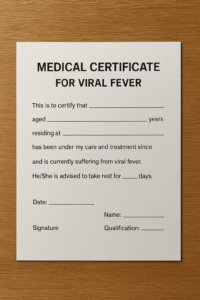
A medical certificate for work from home is an official document issued by a qualified healthcare professional that validates an employee’s need to work remotely due to health-related reasons. Unlike a standard sick leave certificate that excuses an employee from work entirely, this document certifies that while the individual cannot work in a traditional office environment, they remain capable of performing their job duties from home.
This type of medical documentation serves as a bridge between maintaining employment productivity and addressing legitimate health concerns that make office attendance challenging or impossible.
When Might You Need a Medical Certificate for Remote Work?
Several medical conditions and circumstances may warrant a work from home arrangement:
Physical Health Conditions:
- Chronic illnesses that require frequent medical appointments or treatments
- Mobility impairments that make commuting difficult
- Compromised immune systems requiring reduced exposure to public spaces
- Recovery periods following surgery or major medical procedures
- Pregnancy complications requiring bed rest or reduced physical activity
- Respiratory conditions exacerbated by office environments or air quality
Mental Health Considerations:
- Severe anxiety disorders, particularly agoraphobia or social anxiety
- Depression that makes office attendance challenging
- Post-traumatic stress disorder (PTSD) triggered by workplace environments
- Panic disorders that are managed better in familiar home environments
Temporary Situations:
- Recovery from injuries that limit mobility
- Infectious conditions where isolation is recommended but work capability remains
- Side effects from medical treatments that don’t completely incapacitate but make office work difficult
Legal Framework and Employee Rights
Understanding your rights regarding medical work from home arrangements is essential. In many jurisdictions, employees with qualifying medical conditions may be entitled to reasonable accommodations under disability rights legislation.
Key Legal Considerations:
The Americans with Disabilities Act (ADA) in the United States, similar legislation in other countries, and various employment standards acts often require employers to provide reasonable accommodations for employees with disabilities or medical conditions. Working from home can constitute a reasonable accommodation if it doesn’t cause undue hardship to the employer and allows the employee to perform essential job functions.
However, not all positions are suitable for remote work. Jobs requiring physical presence, direct customer interaction, or handling of sensitive materials may not accommodate work from home arrangements, regardless of medical need.
Interactive Process: Employers are typically required to engage in an interactive process with employees requesting medical accommodations. This involves discussing the medical need, exploring possible accommodations, and determining what arrangements can be made while maintaining business operations.
What Should a Medical Certificate Include?
A comprehensive medical certificate for work from home should contain specific information while maintaining appropriate medical privacy:
Essential Elements:
- Healthcare provider’s credentials and contact information
- Clear statement of the medical recommendation for remote work
- Duration of the recommended arrangement (temporary or ongoing)
- Specific limitations that prevent office attendance
- Confirmation that the employee can perform job duties from home
- Any special requirements or modifications needed for the home work environment
What Should NOT be Included: Medical certificates should avoid detailed diagnostic information or specific medical conditions unless absolutely necessary for the accommodation request. The focus should be on functional limitations and work capacity rather than comprehensive medical history.
The Process: How to Obtain and Submit a Medical Certificate
Step 1: Consult Your Healthcare Provider Schedule an appointment with your primary care physician, specialist, or mental health professional. Be honest about your work environment challenges and how your medical condition affects your ability to work in an office setting. Discuss whether remote work would be beneficial for your health management.
Step 2: Request Appropriate Documentation Ask your healthcare provider to prepare a medical certificate that addresses your work from home needs. Provide them with information about your job responsibilities to help them assess whether remote work is viable and beneficial.
Step 3: Review Employer Policies Before submitting your medical certificate, familiarize yourself with your company’s remote work policies, accommodation procedures, and any specific requirements for medical documentation.
Step 4: Submit Through Proper Channels Typically, medical certificates should be submitted to Human Resources rather than direct supervisors to maintain medical privacy. Include a formal request letter explaining how you plan to maintain productivity while working remotely.
Step 5: Engage in Discussion Be prepared to participate in conversations about your accommodation request. This might involve discussing specific work arrangements, technology needs, communication protocols, and performance expectations.
Employer Responsibilities and Considerations
Employers receiving medical certificates for work from home requests have several important responsibilities:
Legal Compliance: Employers must consider accommodation requests in good faith and cannot automatically deny them without proper evaluation. They should assess whether the employee can perform essential job functions remotely and whether accommodation would cause undue hardship.
Privacy Protection: Medical information must be kept confidential and stored separately from general personnel files. Only individuals with a legitimate business need should have access to medical documentation.
Reasonable Assessment: Employers should evaluate each request individually, considering the specific job requirements, the employee’s medical needs, and potential impacts on business operations. They cannot make blanket policies refusing all remote work medical accommodations.
Documentation and Communication: Maintain proper records of the accommodation process, decisions made, and any modifications to work arrangements. Clear communication with the employee about expectations and limitations is essential.
Challenges and Limitations
While medical certificates can facilitate necessary work arrangements, several challenges may arise:
Job Suitability: Not all positions can be performed remotely. Jobs requiring physical presence, specialized equipment, or direct interaction may not accommodate work from home arrangements regardless of medical need.
Technology and Resources: Remote work may require specific technology, software, or equipment. Determining who provides these resources and ensures cybersecurity compliance can be complex.
Performance Management: Establishing clear performance metrics and communication protocols for remote medical accommodation recipients requires careful planning to ensure productivity and team integration.
Duration and Review: Medical conditions and their impact on work capability can change over time. Regular review of accommodation arrangements may be necessary to ensure they remain appropriate and effective.
Tips for Success
For Employees:
- Be honest and specific about your medical needs without over-sharing
- Propose specific solutions for maintaining productivity and communication
- Keep detailed records of your accommodation request process
- Maintain open communication with your employer about your needs and capabilities
- Be prepared to demonstrate that you can effectively perform your job remotely
For Employers:
- Develop clear policies for handling medical accommodation requests
- Train managers on appropriate responses to accommodation requests
- Establish protocols for maintaining medical privacy
- Create systems for monitoring and evaluating accommodation effectiveness
- Consult with legal counsel when uncertain about obligations or limitations
Alternative Solutions and Hybrid Arrangements
When full-time work from home isn’t feasible, consider alternative arrangements:
Hybrid Schedules: Partial remote work combined with reduced office days might address medical needs while maintaining necessary in-person presence.
Modified Work Environment: Sometimes adjusting the office environment (ergonomic equipment, private workspace, flexible hours) can address medical needs without requiring full remote work.
Temporary Arrangements: Short-term work from home accommodations during medical treatment or recovery periods might be more manageable for both parties.
Conclusion
Medical certificates for work from home represent an important tool for balancing employee health needs with workplace productivity. Success depends on open communication, mutual understanding, and good faith efforts from both employees and employers to find workable solutions.
The key is approaching these situations with empathy, legal compliance, and practical problem-solving. When handled appropriately, medical work from home arrangements can maintain employment relationships, support employee health, and demonstrate organizational commitment to inclusive workplace practices.
Remember that each situation is unique, and what works for one employee or organization may not be suitable for another. The goal should always be finding arrangements that support employee wellbeing while maintaining business operations and legal compliance.
Whether you’re an employee seeking accommodation or an employer evaluating requests, understanding the medical certificate process for work from home arrangements is essential for navigating this increasingly important aspect of modern workplace management.