
What is a Medical Certificate and When Do You Need One?
Medical Certificate
Medical certificates are essential documents that bridge the gap between healthcare and everyday responsibilities. Whether you’re calling in sick to work, applying for disability benefits, or returning to sports after an injury, you’ll likely encounter situations where a medical certificate becomes necessary. Understanding what these documents are, when they’re required, and how to obtain them can save you time, stress, and potential complications in both your professional and personal life.

Understanding Medical Certificates
A medical certificate, also known as a doctor’s note or medical excuse, is an official document issued by a licensed healthcare professional that verifies a patient’s medical condition, treatment, or fitness for specific activities. These certificates serve as formal proof that you’ve been examined by a medical practitioner and that your health status has been professionally assessed.
Medical certificates typically contain several key pieces of information. They include the patient’s name and identifying details, the date of examination, the healthcare provider’s information and credentials, and a statement about the patient’s medical condition or fitness level. Some certificates also specify the duration of illness, work restrictions, or recommended accommodations.
The document essentially acts as an official communication from the medical profession to employers, educational institutions, insurance companies, or other entities that need verification of your health status. It carries legal weight and must be accurate, as healthcare providers can face serious consequences for issuing fraudulent certificates.
Types of Medical Certificates
Medical certificates come in various forms, each serving a specific purpose. Understanding these different types helps you know which one you need for your particular situation.
Sick Leave Certificates are the most common type. These documents confirm that you’re unwell and unable to work or attend school. They typically specify the duration of your absence and may indicate whether you need complete rest or can perform modified duties. Employers often require these certificates after a certain number of consecutive sick days, usually ranging from two to five days depending on company policy.
Fitness to Work Certificates serve the opposite purpose. These documents confirm that you’re healthy enough to return to work after illness or injury. They may include any restrictions or accommodations needed, such as limited hours, modified duties, or ergonomic adjustments. These certificates are particularly important after serious illnesses, surgeries, or injuries that might affect your ability to perform job duties safely.
Pre-Employment Medical Certificates are required by many employers before you start a new job. These certificates confirm that you’re physically and mentally fit to perform the duties of your position. They may involve comprehensive medical examinations, particularly for positions in healthcare, transportation, construction, or other physically demanding or safety-sensitive roles.
Fitness for Travel Certificates confirm that you’re healthy enough to undertake air travel or other forms of transportation. Airlines may require these certificates for passengers with certain medical conditions, pregnant women in late stages of pregnancy, or individuals traveling shortly after surgery or serious illness.
Sports and Physical Activity Certificates verify that you’re fit to participate in athletic activities, physical education classes, or organized sports. Schools, sports clubs, and competition organizers often require these certificates to ensure participant safety and limit liability.
Disability and Benefits Certificates document chronic conditions, disabilities, or long-term health issues for purposes of insurance claims, disability benefits, workers’ compensation, or government assistance programs. These certificates typically require more detailed medical information and may need to be completed on specific forms provided by the requesting organization.
When You Need a Medical Certificate
The circumstances requiring a medical certificate vary widely depending on your location, employer policies, and the specific situation. However, several common scenarios typically necessitate obtaining this documentation.
Workplace Absences are the most frequent reason people need medical certificates. Many employers require proof of illness if you’re absent for more than a certain number of consecutive days. Some companies implement policies requiring certificates for all sick leave, while others only request them for extended absences or if they suspect abuse of sick leave policies. Understanding your employer’s specific requirements helps you know when to request a certificate during your medical visit.
School and University Absences often require medical documentation, particularly for missing exams, assignments, or extended periods of classes. Educational institutions typically have clear policies about when medical certificates are necessary. Missing final exams, requesting extensions on major projects, or being absent for more than a few consecutive days usually triggers the need for medical documentation.
Legal and Insurance Purposes frequently require medical certificates. If you’re involved in an accident and making an insurance claim, you’ll need medical documentation of your injuries and treatment. Workers’ compensation claims require detailed medical certificates confirming work-related injuries or illnesses. Legal proceedings involving personal injury, disability discrimination, or medical malpractice almost always require comprehensive medical documentation.
Travel Situations may necessitate medical certificates in several scenarios. Pregnant women traveling in their third trimester typically need certificates confirming their due date and fitness to fly. Recent surgery or serious illness may require certification that you’re fit for air travel. Some countries require specific health certificates for visa applications or entry requirements.
Returning to Activities after illness or injury often requires medical clearance. Athletic organizations need confirmation that you’re fit to resume sports participation after injury. Workplace return following workers’ compensation claims typically requires certificates clearing you for normal or modified duties. Even recreational activities like scuba diving or skydiving may require medical clearance if you have certain health conditions.
Government and Official Purposes include various scenarios. Applying for disability benefits requires extensive medical documentation. Some visa applications need health certificates. Jury duty exemptions based on health reasons require medical verification. Military service, whether enlisting or seeking discharge for medical reasons, involves detailed medical certification.
How to Obtain a Medical Certificate
Getting a medical certificate is generally straightforward, but following the proper process ensures you receive the documentation you need without unnecessary delays or complications.
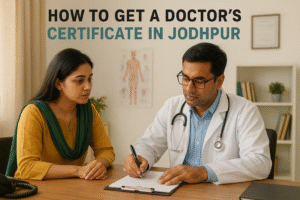
Schedule an Appointment with an appropriate healthcare provider. Your regular doctor is usually the best choice, as they know your medical history and can provide comprehensive documentation. However, walk-in clinics, urgent care centers, and emergency departments can also issue certificates when necessary. Some telehealth services now offer medical certificates for certain conditions, though not all employers or institutions accept these.
Bring Necessary Information to your appointment. If your employer or institution has provided specific forms to be completed, bring these with you. Have details about what information is required, including the time period that needs coverage and any specific questions that need answering. If you’re seeking certification for work purposes, know your job duties and any physical requirements of your position.
Be Honest and Thorough during your medical examination. Provide complete information about your symptoms, how they affect your ability to work or study, and any treatments you’ve tried. Don’t exaggerate symptoms, but don’t minimize them either. Healthcare providers can only certify what they observe and what you report, so accurate information is essential.
Understand the Doctor’s Assessment before leaving the appointment. Make sure you understand what the certificate says, how long it covers, and any restrictions or recommendations it includes. If you disagree with the assessment or feel it doesn’t adequately address your situation, discuss this with the doctor before leaving. It’s much harder to modify a certificate after it’s been issued.
Request Sufficient Coverage for your anticipated needs. If you’re clearly still unwell but the doctor only provides certification for a few days, ask whether additional coverage might be appropriate. However, respect the doctor’s professional judgment – they can only certify the medical situation as it stands at the time of examination.
Important Considerations
Several important factors deserve attention when dealing with medical certificates to avoid potential complications or misunderstandings.
Timing Matters significantly. Some employers or institutions require that you see a doctor while you’re actually unwell, not days or weeks later. Obtaining a certificate retrospectively can be difficult or impossible in many cases, as doctors typically only certify conditions they’ve personally examined. If you know you’ll need a certificate, try to obtain it during your initial illness rather than waiting until you return to work or school.
Costs Vary Widely depending on your location and healthcare system. In countries with universal healthcare, certificates may be free or involve minimal fees. In private healthcare systems, you’ll likely pay both for the medical consultation and the certificate itself, which can be substantial. Some employers reimburse these costs, while others expect employees to bear them. Check your employer’s policies and your insurance coverage before assuming costs will be covered.
Privacy and Disclosure require careful consideration. Medical certificates need to verify your fitness or illness, but they don’t need to disclose detailed diagnoses in most cases. Healthcare providers should balance providing enough information to satisfy the certificate’s purpose while respecting your privacy rights. You have the right to discuss what information will be included and to request minimal disclosure when appropriate.
Validity and Acceptance depend on proper documentation. Certificates must be issued by licensed, appropriate healthcare professionals. They should include all required information and be properly dated and signed. Some institutions only accept original certificates, not photocopies or scans. International certificates may require translation or authentication depending on where they’re being used.
Fraudulent Certificates carry serious consequences. Forging medical certificates, using someone else’s certificate, or asking a doctor to falsify information can result in termination of employment, expulsion from educational programs, criminal charges, and permanent damage to your reputation. Healthcare providers who issue fraudulent certificates face professional sanctions, including loss of their medical license.
Special Situations and Exceptions
Certain circumstances involve unique considerations when it comes to medical certificates.
Mental Health Certificates require particular sensitivity. Healthcare providers must balance acknowledging the legitimacy of mental health conditions while respecting patient privacy. Many jurisdictions have specific protections around mental health disclosures. You’re generally not required to specify a mental health diagnosis to your employer, though the certificate should indicate you’re unable to work due to medical reasons.
Chronic Conditions may require ongoing certification or special arrangements. Rather than obtaining certificates for every flare-up or sick day, you might work with your employer and doctor to establish accommodations that account for your condition’s unpredictable nature. Some workplaces accept blanket certificates that cover intermittent absences related to specific chronic conditions.
Workplace Disputes sometimes arise around medical certificates. If your employer questions the validity of your certificate, challenges your fitness assessment, or requires second opinions, understand your rights under employment law. Many jurisdictions prohibit employers from specifying which doctor you must see, though they may require assessment by a medical professional of their choosing in certain circumstances.
Certificates During Probationary Periods or for casual employees may have different requirements or implications. Some employers scrutinize medical absences more closely during probation. Casual employees may not receive sick leave benefits even with valid certificates. Understanding your specific employment situation helps you navigate these complexities.
Conclusion
Medical certificates serve as crucial documentation in numerous life situations, from mundane sick days to major life events involving disability or serious illness. Understanding what these documents are, when they’re necessary, and how to obtain them properly helps you navigate the intersection of healthcare and your other responsibilities more effectively.
Remember that medical certificates exist to protect both employees and employers, students and educational institutions, and individuals and organizations. They verify legitimate health concerns while preventing abuse of sick leave and accommodations. When you need a medical certificate, approach the situation honestly, work with qualified healthcare providers, and ensure you understand both your rights and your obligations.
By being proactive, informed, and honest in dealing with medical certificates, you can ensure that your health needs are properly documented and recognized while maintaining your professional credibility and fulfilling your responsibilities. Whether you’re managing a brief illness or a chronic condition, proper medical documentation helps create a foundation of trust and understanding between you and the institutions that require verification of your health status.