What is a Medical Certificate and When Do You Need One?
Medical Certificate
Whether you’ve been feeling under the weather or need to miss work for a medical appointment, you’ve likely encountered the term “medical certificate.” But what exactly is a medical certificate, and when do you actually need one? This comprehensive guide will walk you through everything you need to know about medical certificates, from their purpose to how to obtain one.

Understanding Medical Certificates
A medical certificate, also known as a doctor’s note or medical excuse, is an official document issued by a licensed healthcare professional that verifies a patient’s medical condition, treatment, or fitness for specific activities. This document serves as formal proof that you’ve sought medical attention and provides professional validation of your health status.
Medical certificates are legal documents that carry significant weight in various professional and personal situations. They’re not just casual notes scribbled on prescription pads—they’re official records that must include specific information to be considered valid and authentic.
What Information Does a Medical Certificate Include?
A legitimate medical certificate typically contains several key pieces of information to ensure its authenticity and usefulness:
Essential Components:
The document must include the healthcare provider’s full name, professional credentials, and registration or license number. This information verifies that the certificate comes from a qualified medical professional authorized to assess and treat patients.
The date of examination or consultation is crucial, as it establishes when the medical assessment took place. This helps employers and other parties understand the timeline of your medical situation.
Patient identification details, including your full name and sometimes date of birth, ensure the certificate applies to the correct individual. This prevents mix-ups and potential misuse of medical documentation.
A description of the medical condition or diagnosis may be included, though the level of detail can vary depending on privacy considerations and the purpose of the certificate. In many cases, especially for workplace absences, a general statement about your fitness for work is sufficient without disclosing specific medical details.
The certificate should clearly state the recommended period of rest or absence, if applicable. This might range from a single day to several weeks or months, depending on the severity of the condition.
Finally, the document must include the healthcare provider’s signature and official stamp or clinic letterhead, which authenticates the certificate and makes it more difficult to forge.
Common Situations Requiring a Medical Certificate
Medical certificates serve various purposes across different aspects of life. Understanding when you need one can help you plan ahead and avoid complications.
Workplace Absences
Many employers require medical certificates for sick leave, particularly for absences lasting more than a certain number of consecutive days. The specific policies vary by company and jurisdiction, but generally, if you’re absent for three or more consecutive workdays, you’ll likely need to provide documentation from a healthcare provider.
Some workplaces also require certificates for single-day absences if they fall on specific days, such as before or after public holidays or weekends. This policy helps prevent abuse of sick leave systems while protecting employees who are genuinely unwell.
Return-to-Work Clearances
After recovering from a serious illness or injury, many employers require a medical certificate confirming you’re fit to return to work. This is especially important in physically demanding jobs or positions where a lingering medical condition could pose safety risks.
These certificates might include restrictions or modifications to your duties, such as limited lifting, reduced hours, or the need for specific accommodations. Employers use this information to ensure they’re providing a safe working environment and meeting any legal obligations regarding workplace safety and employee health.
Educational Institutions
Schools, colleges, and universities often require medical certificates when students miss exams, assignments, or extended periods of class. This documentation helps institutions determine whether absences are legitimate and whether students qualify for deadline extensions or exam deferrals.
Academic institutions take these certificates seriously because they affect grading, progression, and sometimes financial aid eligibility. Submitting fraudulent medical documentation in an educational setting can result in serious academic consequences, including expulsion.
Travel and Insurance Claims
If you need to cancel a trip due to medical reasons and want to claim travel insurance, you’ll almost certainly need a medical certificate. Insurance companies require this documentation to verify that your cancellation was due to a legitimate medical emergency rather than a change of plans.
The certificate must clearly indicate that travel was medically inadvisable at the time and should be issued before or immediately after the scheduled travel dates. Retroactive certificates issued weeks after a missed trip are generally not accepted by insurance providers.
Sports and Physical Activities
Many sports organizations, gyms, and fitness programs require medical clearance certificates, particularly for individuals with pre-existing conditions or those returning after injury. These certificates help protect both the participant and the organization by ensuring that physical activities won’t exacerbate health problems.
Professional athletes and competitive sports participants often need regular medical certificates to maintain their eligibility for competitions. These assessments typically involve comprehensive physical examinations to ensure athletes can safely handle the demands of their sport.
Legal and Immigration Purposes
Certain legal proceedings may require medical certificates, such as disability claims, workers’ compensation cases, or fitness-to-stand-trial assessments. These certificates often need to be more detailed and may require examination by specific types of medical specialists.
Immigration applications frequently require medical certificates demonstrating that applicants don’t have communicable diseases and are generally in good health. Different countries have varying requirements, and applicants often must be examined by designated panel physicians.
Driving and License Applications
When applying for or renewing a driver’s license, some jurisdictions require medical certificates, especially for older drivers or those with certain medical conditions. Commercial drivers, pilots, and others in safety-sensitive positions typically face more stringent medical certification requirements.
These certificates assess whether medical conditions might impair a person’s ability to safely operate vehicles or perform their duties. Conditions like epilepsy, severe diabetes, or vision problems may require additional documentation or restrictions.
How to Obtain a Medical Certificate
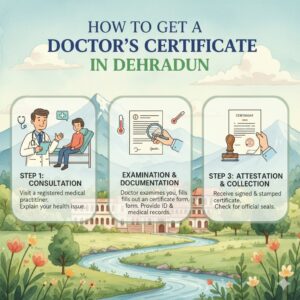
Getting a medical certificate is a straightforward process, but it’s important to approach it correctly to ensure the document meets your needs.
Schedule an Appropriate Appointment
First, you’ll need to see a qualified healthcare professional. This could be your regular general practitioner, a walk-in clinic doctor, or a specialist if your situation requires specific expertise. It’s generally best to see your regular doctor when possible, as they have access to your medical history and can provide more comprehensive documentation.
When booking your appointment, inform the receptionist that you’ll need a medical certificate. Some clinics charge additional fees for these documents, so it’s worth asking about costs upfront.
Be Honest and Thorough
During your consultation, provide honest and complete information about your symptoms, how they’ve affected your ability to work or attend school, and any treatments you’ve tried. Your healthcare provider can only issue an accurate certificate if they have all the relevant information.
Remember that asking a doctor to falsify information on a medical certificate is unethical and potentially illegal. It puts the healthcare provider’s license at risk and could result in serious consequences for you, including termination of employment or expulsion from educational institutions.
Specify Your Needs
Let your doctor know exactly what you need the certificate for and any specific information that must be included. Different situations require different types of certificates. For example, a certificate for workplace absence might simply need to state you were unfit for work, while an insurance claim might require more detailed information about your diagnosis and treatment.
If you need the certificate to cover past dates, you should have sought medical attention during the period in question. Most doctors won’t backdate certificates significantly, as this could be considered unethical.
Understand the Limitations
Medical certificates reflect the healthcare provider’s professional opinion based on their examination and your reported symptoms. They typically cover specific time periods and may need to be renewed if your condition persists longer than initially expected.
Doctors generally won’t issue certificates for conditions they haven’t personally assessed or for periods when they didn’t examine you. If you’ve been sick for a week before seeing a doctor, they may only issue a certificate from the date of consultation forward.
Types of Medical Certificates
Different situations call for different types of medical certificates, each serving a specific purpose.
Sick Leave Certificates
These are the most common type, verifying that you were unwell and unable to attend work or school. They typically specify the period during which you were incapacitated and may include recommendations for rest or modified duties upon return.
Fitness Certificates
These documents confirm that you’re medically fit to perform certain activities, such as returning to work after illness, participating in sports, or traveling. They indicate that your health status doesn’t pose risks to yourself or others in the specified context.
Specialist Medical Reports
For complex conditions or legal purposes, you might need a detailed report from a medical specialist. These comprehensive documents provide in-depth information about diagnoses, treatments, prognoses, and functional limitations. They’re often required for disability applications, workers’ compensation claims, or legal proceedings.
Pre-Employment Medical Certificates
Some employers require medical examinations and certificates before hiring, particularly for physically demanding roles or positions in healthcare, childcare, or food service. These certificates typically confirm general fitness for the role and may include results from specific tests like drug screenings or vaccinations records.
What Makes a Medical Certificate Valid?
For a medical certificate to be accepted, it must meet certain criteria that establish its authenticity and credibility.
The certificate must come from a licensed, registered healthcare professional authorized to practice in your jurisdiction. Different situations may require certificates from specific types of providers—for example, only certain specialists can issue certificates for particular conditions or purposes.
The document should be on official letterhead or include the provider’s official stamp, making it clear that it’s a legitimate medical document rather than a casual note. It must include all the standard information elements discussed earlier, particularly the provider’s registration number and signature.
The certificate should be dated appropriately and cover the relevant time period without suspicious gaps or inconsistencies. Significant backdating or certificates that cover periods when you didn’t see the healthcare provider are red flags that may lead to rejection.
The information should be consistent with the purpose for which it’s being used. If you’re claiming to be too sick to work but the certificate states you’re fit for all activities, this obvious inconsistency will likely raise questions.
The Legal and Ethical Dimensions
Medical certificates carry legal weight, and misusing them can have serious consequences. Forging a medical certificate or asking a healthcare provider to falsify information is illegal in most jurisdictions and can result in criminal charges, termination of employment, expulsion from educational institutions, and denial of insurance claims.
Healthcare providers who issue fraudulent certificates risk losing their medical licenses, facing legal prosecution, and damaging their professional reputations. This is why most doctors are very careful about what they write in medical certificates and won’t issue documentation for situations they haven’t personally assessed.
Employers and institutions have the right to verify medical certificates by contacting the issuing healthcare provider or clinic. While providers must respect patient privacy, they can generally confirm whether they issued a certificate and verify basic details without disclosing confidential medical information.
Privacy Considerations
Medical certificates must balance providing necessary information with protecting patient privacy. In many jurisdictions, privacy laws limit what medical information can be disclosed without explicit patient consent.
For workplace sick leave, employers typically only need to know that you were unfit for work during a specific period—they don’t necessarily need detailed diagnostic information. You have the right to request that your certificate includes only general information rather than specific diagnoses.
However, some situations legitimately require more detailed information. Insurance claims, disability applications, and legal proceedings may need comprehensive medical documentation to support your case. In these instances, you’ll likely need to provide explicit consent for disclosure of more detailed medical information.
Tips for Employees and Students
If you need a medical certificate for work or school, keep these practical tips in mind:
Don’t wait until the last minute to seek medical attention if you’re unwell. The longer you delay, the harder it becomes to get appropriate documentation that covers the entire period of your absence.
Keep copies of all medical certificates for your personal records. These documents can be important if questions arise later or if you need to reference them for related purposes.
Understand your workplace or institution’s specific policies regarding medical certificates. Know how many days you can be absent before documentation is required and what information must be included in the certificate.
If you have a chronic condition that causes periodic absences, discuss with your healthcare provider whether a single comprehensive certificate covering multiple episodes might be appropriate. Some conditions allow for this approach, which can save you frequent trips to the doctor.
Communicate with your employer or institution as soon as possible when you know you’ll need to be absent. Don’t surprise them with a medical certificate after extended unexplained absence.
Cost Considerations
In many countries with universal healthcare systems, medical consultations are free or heavily subsidized, but medical certificates often incur additional fees. These fees can range from a nominal amount to significant charges, depending on the complexity of the certificate and local regulations.
Some health insurance plans cover medical certificate fees, while others don’t. Check your policy details to understand what’s covered. Some employers reimburse employees for certificate fees, particularly if the certificate is required by company policy rather than being requested by the employee.
If cost is a concern, ask your healthcare provider about fees before your appointment. Some clinics offer bulk-billing options or reduced fees for simple certificates.
The Future of Medical Certificates
As healthcare becomes increasingly digitized, medical certificates are evolving too. Many healthcare systems are implementing electronic medical certificates that can be issued, transmitted, and verified digitally. These systems can streamline the process, reduce fraud, and make it easier for employers and institutions to quickly verify documentation.
Some jurisdictions are testing systems where employers can verify certificates directly through secure online portals without needing to contact healthcare providers. These systems maintain patient privacy while providing efficient verification processes.
Telemedicine is also changing how people obtain medical certificates. In some cases, virtual consultations can result in legitimate certificates, though this depends on local regulations and the specific medical situation. Not all conditions can be adequately assessed remotely, so traditional in-person examinations remain necessary for many purposes.
Conclusion
Medical certificates are essential documents that serve important functions in workplace management, educational administration, insurance processes, and various other aspects of modern life. Understanding what they are, when you need them, and how to obtain them properly ensures you’re prepared when medical situations arise.
While it might seem like bureaucratic red tape, the medical certificate system serves important purposes: protecting employees’ and students’ rights to take necessary sick leave, preventing abuse of absence policies, ensuring workplace safety, and providing necessary documentation for insurance and legal purposes.
The key to navigating medical certificates successfully is honesty, proper planning, and clear communication with both your healthcare provider and the organization requiring the documentation. When approached correctly, obtaining a medical certificate is a straightforward process that ensures everyone’s interests are protected while maintaining the integrity of workplace and educational systems.
Whether you’re dealing with a temporary illness, recovering from injury, or managing a chronic condition, understanding the medical certificate process empowers you to handle these situations professionally and efficiently. Remember that medical certificates are professional documents that should be treated with the seriousness and respect they deserve—they’re not just notes from your doctor, but important records that can significantly impact your employment, education, and legal standing.