Telemedicine in India: A Comprehensive Guide for Patients
Telemedicine
Telemedicine
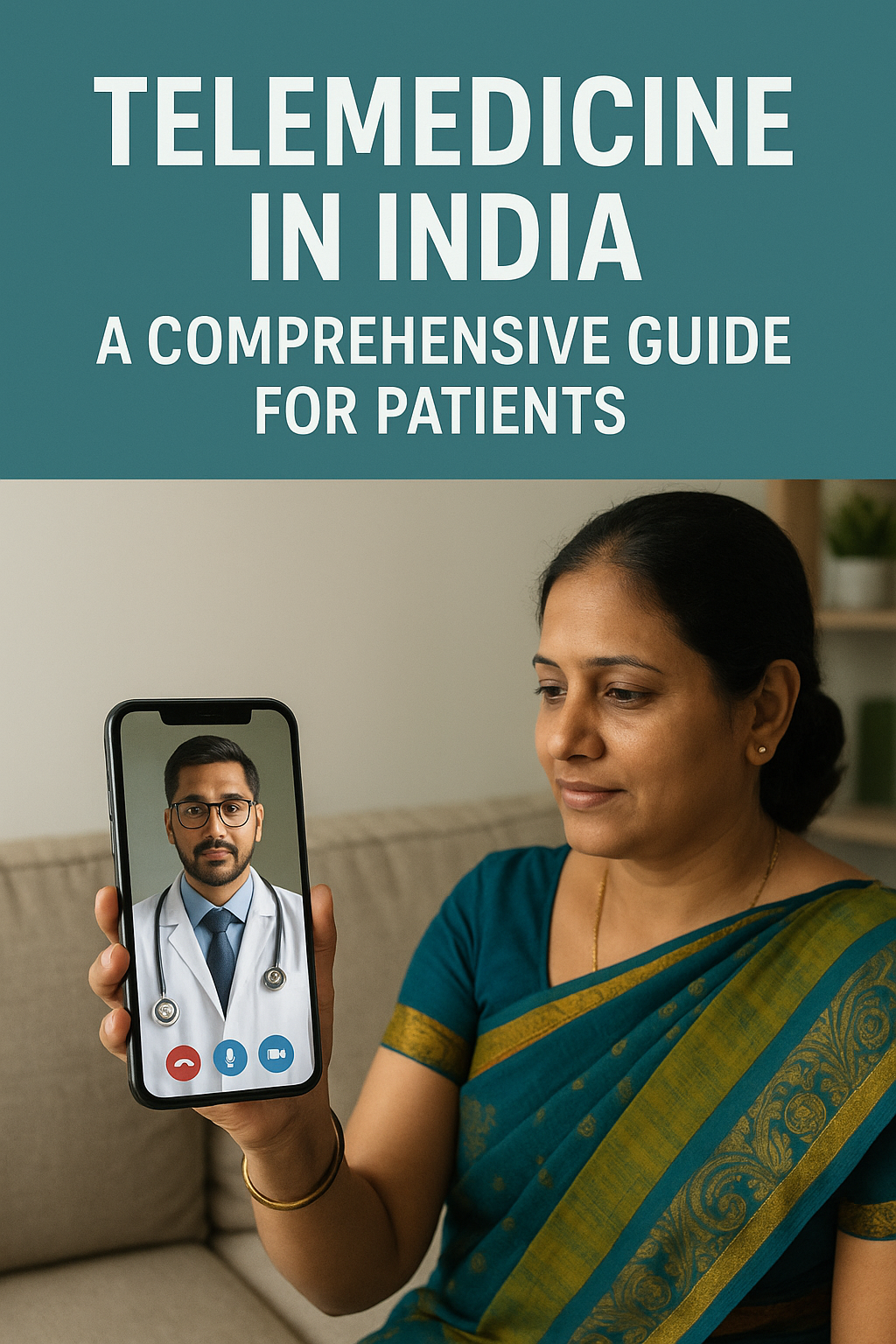
The healthcare landscape in India has undergone a remarkable transformation in recent years, with telemedicine emerging as a game-changing solution for millions of patients across the country. Whether you live in a bustling metropolitan city or a remote village, telemedicine is making quality healthcare more accessible than ever before. This comprehensive guide will walk you through everything you need to know about using telemedicine services in India.
What is Telemedicine?
Telemedicine refers to the delivery of healthcare services using digital communication technologies. Instead of visiting a doctor’s office or hospital in person, patients can consult with healthcare providers through video calls, phone calls, or messaging platforms. This approach has become particularly valuable in a geographically diverse country like India, where access to specialized medical care can be challenging for many.
The practice encompasses a wide range of services, from routine consultations and follow-up appointments to mental health counseling and chronic disease management. During the COVID-19 pandemic, telemedicine adoption accelerated dramatically, proving its effectiveness and establishing it as a permanent fixture in India’s healthcare ecosystem.
Legal Framework and Regulations
Understanding the legal framework governing telemedicine in India is essential for patients to ensure they receive legitimate and quality care. The Ministry of Health and Family Welfare released the Telemedicine Practice Guidelines in March 2020, which were subsequently updated to provide clearer protocols for both doctors and patients.
These guidelines establish that registered medical practitioners can provide telemedicine consultations across India, provided they follow specific protocols. The guidelines clearly define what conditions can be treated via telemedicine and what situations require in-person visits. For instance, doctors can prescribe medications through telemedicine for many common conditions, but certain controlled substances and treatments requiring physical examination are restricted.
The regulations also protect patient rights by mandating informed consent, ensuring privacy and confidentiality of medical records, and establishing clear professional standards for telehealth practitioners. Patients should always verify that their healthcare provider is registered with the appropriate medical council and adheres to these guidelines.
Benefits of Telemedicine for Indian Patients
The advantages of telemedicine are particularly pronounced in the Indian context, addressing many longstanding healthcare challenges.
Accessibility: Perhaps the most significant benefit is improved access to healthcare for people in rural and remote areas. India faces a severe shortage of doctors in rural regions, with approximately 70% of the population living in areas served by only 30% of the country’s doctors. Telemedicine bridges this gap by connecting patients with specialists who may be thousands of kilometers away.
Cost-Effectiveness: Telemedicine consultations typically cost significantly less than in-person visits. Patients also save money on transportation, accommodation for outstation travel, and time away from work. For families in rural areas who might previously have needed to travel to cities for specialist care, these savings can be substantial.
Time Savings: The convenience factor cannot be overstated. Patients can schedule consultations around their work commitments, avoid long waiting times in crowded hospitals, and eliminate travel time entirely. This is especially valuable for elderly patients or those with mobility issues.
Continuity of Care: Telemedicine makes follow-up appointments much easier to manage, improving treatment adherence and health outcomes. Patients with chronic conditions like diabetes or hypertension can have regular check-ins with their doctors without the burden of frequent hospital visits.
Access to Specialists: Rural patients can now consult with specialists in fields like cardiology, oncology, or psychiatry without relocating or undertaking expensive journeys to metropolitan hospitals. This democratization of specialist care is transforming health outcomes across the country.
Popular Telemedicine Platforms in India
Several platforms have emerged as leaders in India’s telemedicine space, each offering unique features and services.
Practo stands out as one of the most comprehensive platforms, offering doctor consultations across multiple specialties, medicine delivery, and diagnostic test bookings. The platform has an extensive network of doctors and is available in multiple languages, making it accessible to diverse populations.
Apollo 24/7, backed by the Apollo Hospitals group, leverages the credibility of one of India’s most trusted healthcare brands. It offers round-the-clock consultations with experienced doctors, along with pharmacy and diagnostic services.
Tata 1mg combines telemedicine with a robust online pharmacy, making it convenient for patients to consult doctors and order medications in one place. Their platform emphasizes transparency in pricing and doctor credentials.
MFine uses AI-powered symptom checkers to help patients understand their conditions before connecting with doctors. The platform partners with leading hospitals to provide specialist consultations.
DocsApp focuses on providing quick consultations with a pay-per-use model, making it suitable for patients seeking immediate medical advice for acute problems.
Government initiatives like eSanjeevani have also made significant strides, providing free telemedicine consultations to millions of Indians. This platform operates at both national and state levels, ensuring government-backed healthcare reaches even the most underserved populations.
How to Use Telemedicine Services: Step-by-Step Guide
Getting started with telemedicine is straightforward, even for those less familiar with digital technologies.
Step 1: Choose a Platform: Research and select a telemedicine platform based on your needs, budget, and the availability of specialists you require. Read user reviews and check if the platform is compliant with Indian telemedicine guidelines.
Step 2: Register and Create Your Profile: Download the app or visit the website and create an account. You’ll need to provide basic information including your name, age, contact details, and sometimes your medical history. Keep your identification documents handy for verification.
Step 3: Select Your Doctor: Browse through available doctors by specialty, experience, patient ratings, and consultation fees. Many platforms allow you to view doctor profiles, including their qualifications, experience, and patient reviews.
Step 4: Book an Appointment: Choose a convenient time slot and make the payment. Some platforms offer instant consultations, while others allow advance booking. Payment options typically include credit/debit cards, UPI, digital wallets, and sometimes cash on delivery for medications.
Step 5: Prepare for Your Consultation: Before your appointment, prepare a list of symptoms, questions, and concerns. Gather any relevant medical reports, prescriptions, or test results. Ensure you have a stable internet connection and are in a quiet, private space for the consultation.
Step 6: Attend the Consultation: Join the video or audio call at the scheduled time. Describe your symptoms clearly and answer the doctor’s questions honestly. Don’t hesitate to ask for clarification if you don’t understand something.
Step 7: Follow-Up: After the consultation, you’ll receive a digital prescription and treatment plan. Follow the doctor’s advice, take medications as prescribed, and schedule follow-up appointments if recommended. Most platforms allow you to contact the same doctor for continuity of care.
What Conditions Can Be Treated Through Telemedicine?
Telemedicine is suitable for a wide range of health conditions, though some situations still require in-person evaluation.
Suitable for Telemedicine: Common illnesses like colds, coughs, and flu; skin conditions that can be assessed visually; mental health consultations including counseling and therapy; chronic disease management for conditions like diabetes, hypertension, and asthma; routine follow-ups and prescription renewals; nutritional counseling and diet planning; and second opinions on diagnoses or treatment plans.
Requires In-Person Visit: Emergency conditions like heart attacks, strokes, or severe injuries; situations requiring physical examination such as abdominal pain that might indicate appendicitis; conditions needing diagnostic procedures like X-rays, MRIs, or biopsies; surgical consultations where physical assessment is necessary; and first-time consultations for complex conditions where comprehensive examination is essential.
Understanding these limitations ensures you use telemedicine appropriately and seek in-person care when necessary.
Challenges and Limitations
Despite its numerous benefits, telemedicine in India faces several challenges that patients should be aware of.
Digital Divide: Not all Indians have access to smartphones, reliable internet connectivity, or the digital literacy required to use telemedicine platforms. This creates inequity, potentially leaving the most vulnerable populations behind.
Quality Concerns: The lack of physical examination can sometimes lead to misdiagnosis or incomplete assessment. Patients should be honest about their symptoms and not withhold information that might seem embarrassing or irrelevant.
Technology Issues: Poor internet connectivity, especially in rural areas, can disrupt consultations. Audio or video quality problems may hinder effective communication between doctor and patient.
Privacy Concerns: Sharing sensitive medical information online raises concerns about data security and privacy breaches. Patients should ensure they use platforms that comply with data protection regulations.
Limited Emergency Care: Telemedicine cannot replace emergency services. Patients experiencing medical emergencies should always seek immediate in-person care.
Tips for a Successful Telemedicine Consultation
To maximize the benefits of your telemedicine experience, follow these practical tips:
Be Prepared: Write down your symptoms, their duration, and any factors that make them better or worse. Note any medications or supplements you’re currently taking, including dosages.
Choose the Right Environment: Find a quiet, well-lit space where you can speak privately. Good lighting is especially important for video consultations if the doctor needs to see your condition visually.
Test Your Technology: Check your internet connection, camera, and microphone before the appointment. Download the necessary app in advance and familiarize yourself with its interface.
Be Honest and Detailed: Provide complete and accurate information about your health history, current symptoms, and lifestyle factors. Don’t minimize symptoms or hide information out of embarrassment.
Ask Questions: Don’t hesitate to ask your doctor to explain things in simpler terms, repeat instructions, or clarify treatment plans. It’s your health, and understanding your condition is crucial.
Take Notes: Write down the doctor’s advice, medication names, dosages, and when to take follow-up action. Many platforms provide written summaries, but personal notes can help you remember specific details.
Follow Through: Adhere to the treatment plan, take medications as prescribed, and attend scheduled follow-ups. Contact your doctor if you experience side effects or your condition worsens.
The Future of Telemedicine in India
The future of telemedicine in India looks exceptionally promising, with technology and policy developments pointing toward even greater integration into mainstream healthcare.
Artificial intelligence and machine learning are being incorporated to improve diagnostic accuracy and patient triage. Wearable devices and remote monitoring tools will enable doctors to track patients’ vital signs in real-time, making chronic disease management more effective.
The government continues to expand initiatives like the Ayushman Bharat Digital Mission, which aims to create a digital health ecosystem connecting patients, providers, and facilities. This includes creating unique health IDs for every Indian citizen, enabling seamless sharing of medical records across the healthcare system.
Rural connectivity improvements through initiatives like BharatNet will extend telemedicine’s reach to the remotest corners of the country. As 5G networks roll out across India, the quality and reliability of teleconsultations will improve dramatically.

Integration with traditional AYUSH (Ayurveda, Yoga, Unani, Siddha, and Homeopathy) systems is also expanding, offering patients a more holistic range of treatment options through digital platforms.
Conclusion
Telemedicine represents a revolutionary shift in how Indians access healthcare, breaking down geographical, economic, and temporal barriers that have long hindered quality medical care. While challenges remain, particularly around digital access and infrastructure, the trajectory is clear: telemedicine is here to stay and will continue to evolve.
For patients, embracing telemedicine means taking control of your health with unprecedented convenience and choice. Whether you’re seeking a quick consultation for a common ailment, managing a chronic condition, or accessing specialist care previously out of reach, telemedicine platforms offer viable, effective solutions.
As you navigate this digital healthcare landscape, remember to choose reputable platforms, verify doctor credentials, protect your privacy, and use telemedicine appropriately based on your condition’s nature. With the right approach, telemedicine can be a powerful tool in your healthcare journey, complementing traditional in-person care and ensuring you receive the attention you need, when you need it, wherever you are in India.